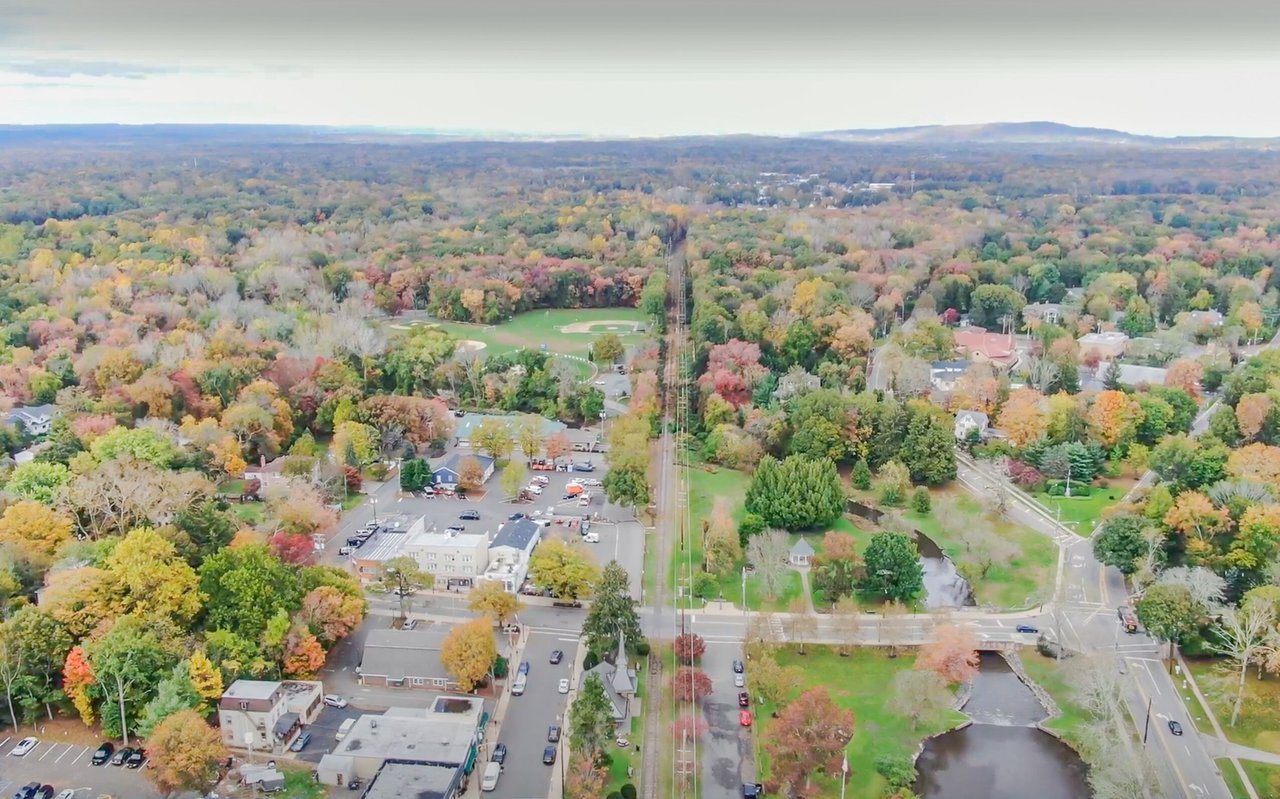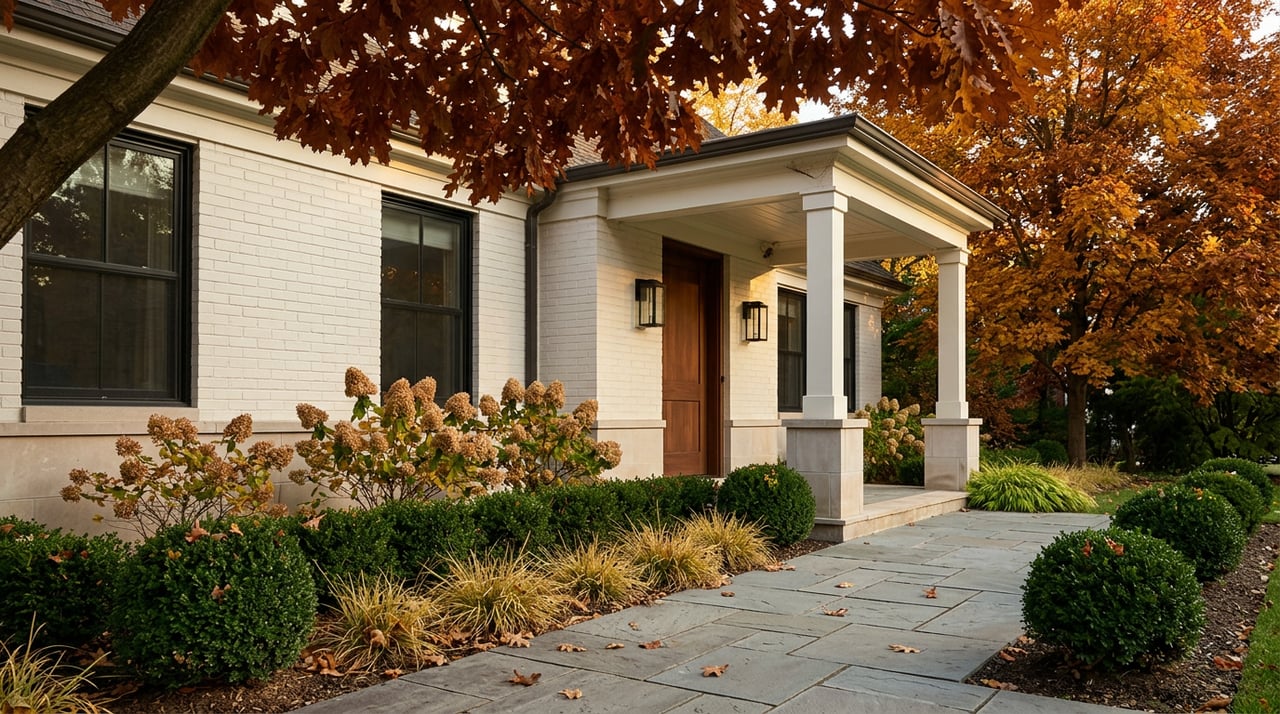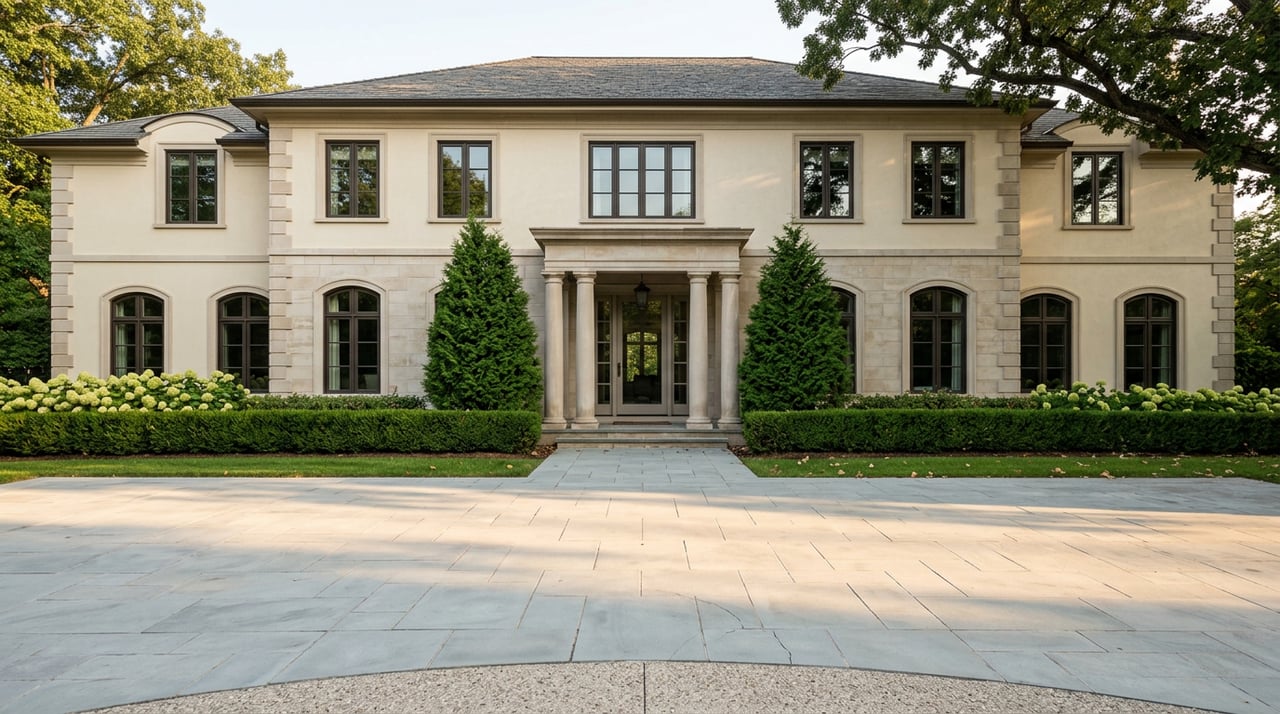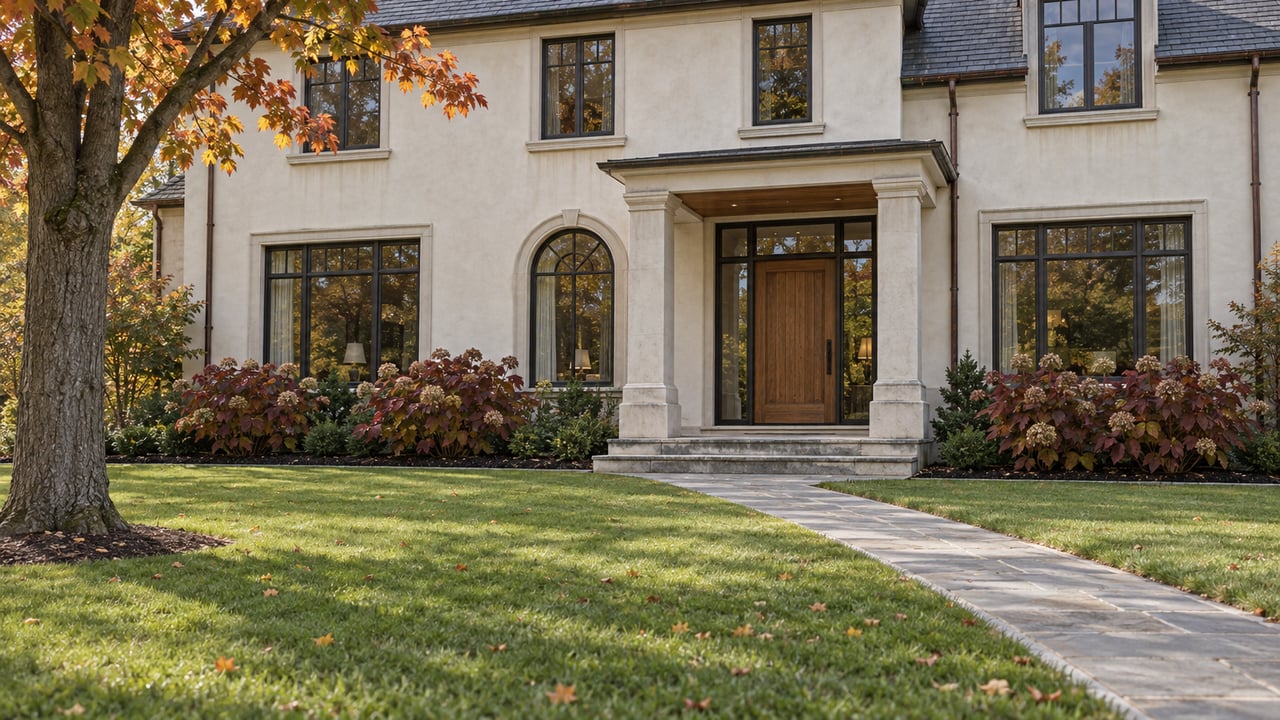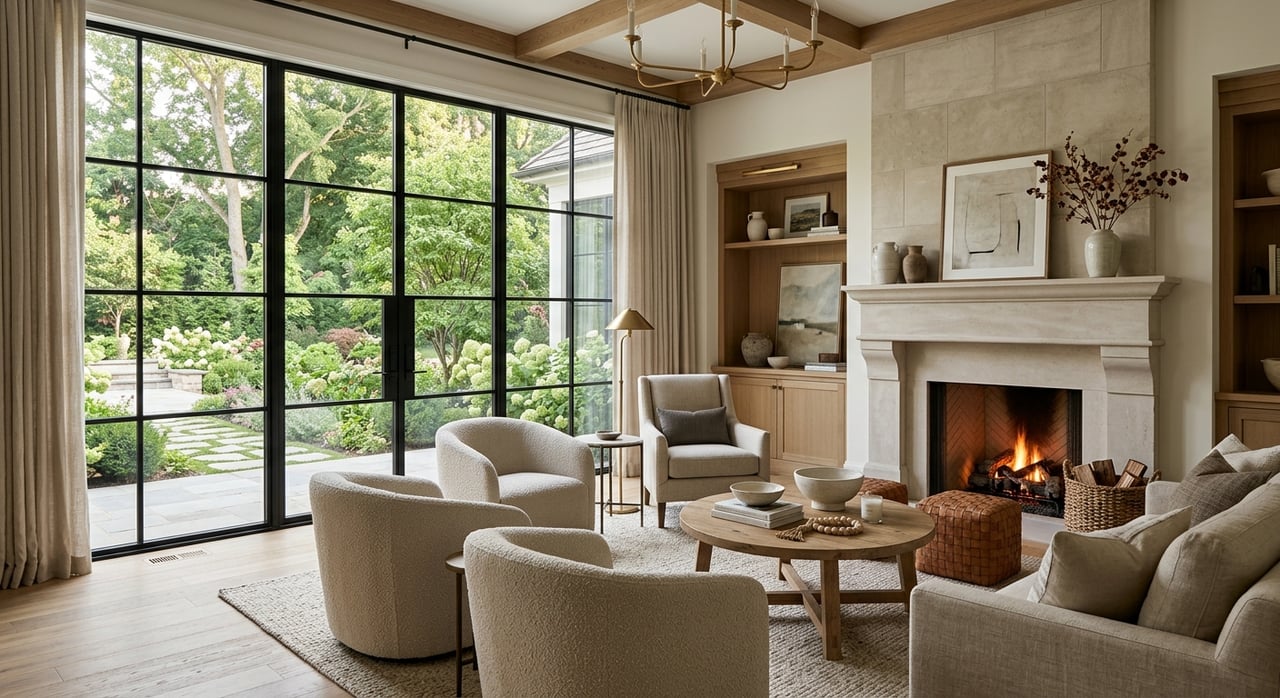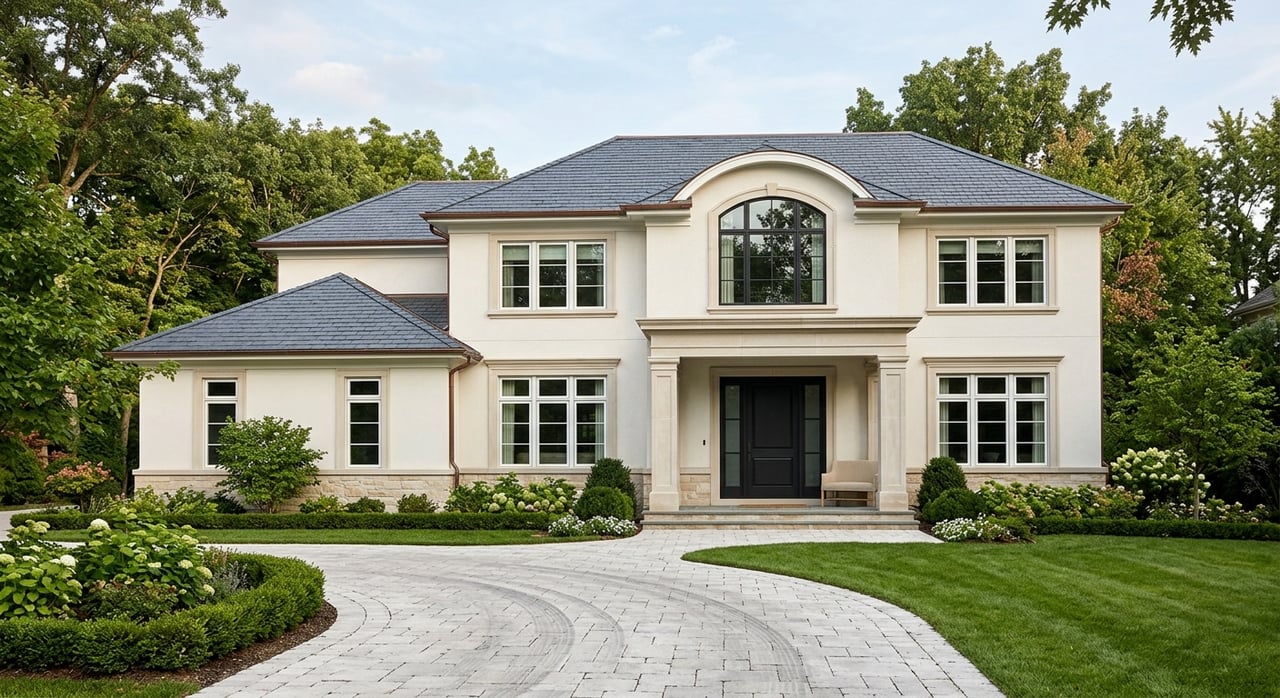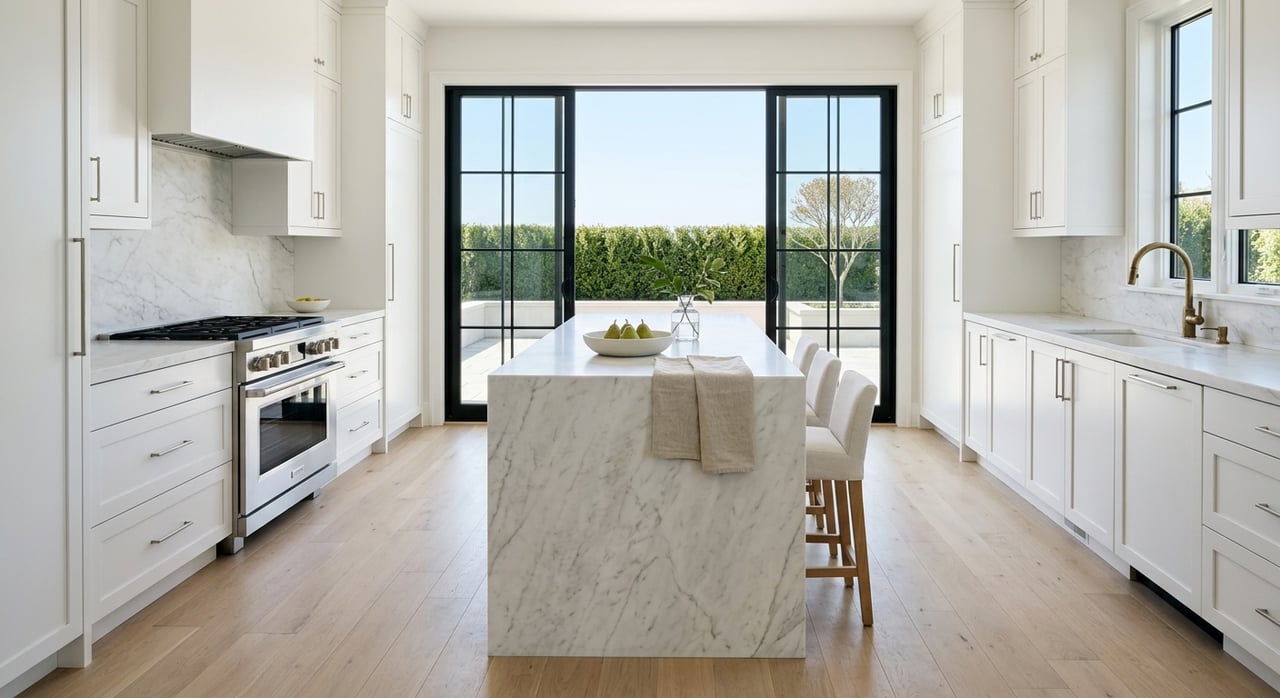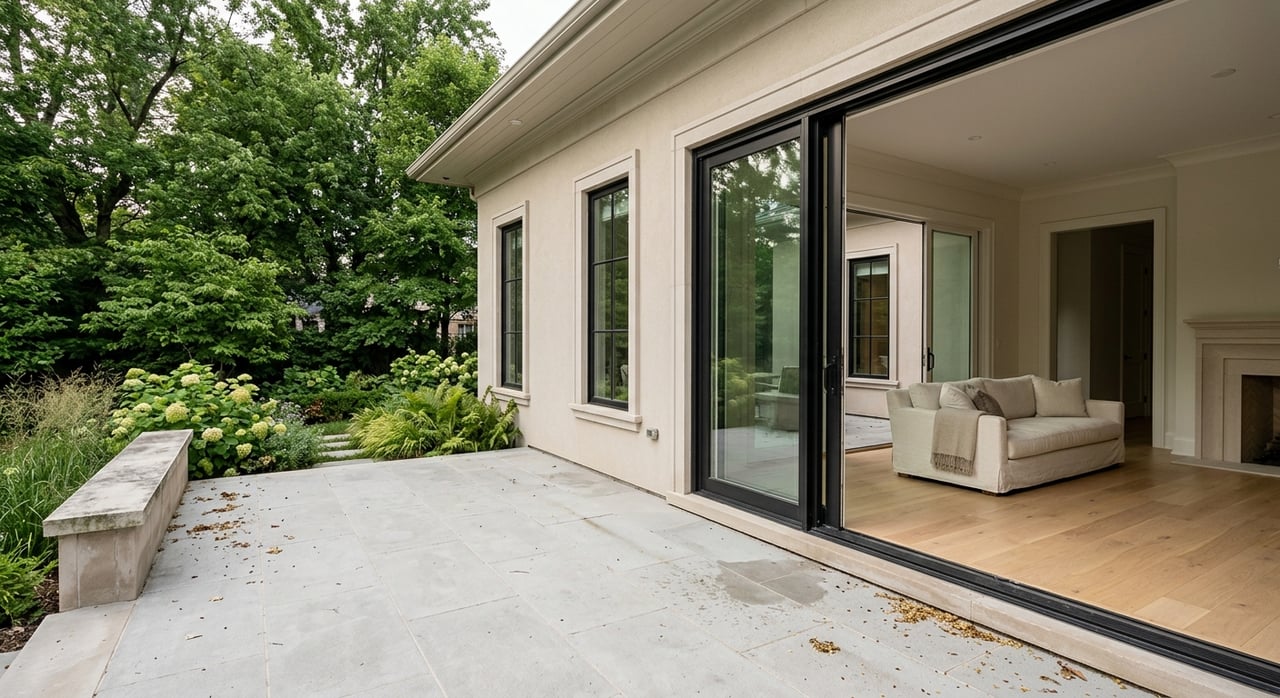
If you are thinking about buying a luxury home in Alpine, you are not just shopping for square footage. You are weighing privacy, land, topography, zoning, and long-term usability, often all at once. In a small, high-price market like Alpine, the right preparation can help you move with confidence and avoid costly surprises. Let’s dive in.
Why Alpine luxury buying is different
Alpine is a highly limited market, and that shapes the entire buying experience. As of March 2026, Realtor.com market data for Bergen County and Alpine showed 22 active listings in Alpine, a median listing price of $4,688,000, and a median 120 days on market. Zillow also reported just 13 homes for sale as of February 28, 2026, which points to the same big takeaway: inventory is thin.
That matters because your ideal property may be one of only a handful of options that fits your goals. If you want a certain level of acreage, privacy, outdoor amenities, or layout, you may not have many comparable choices at a given time. In Alpine, buying well often starts with understanding how narrow the market really is.
Know what defines luxury in Alpine
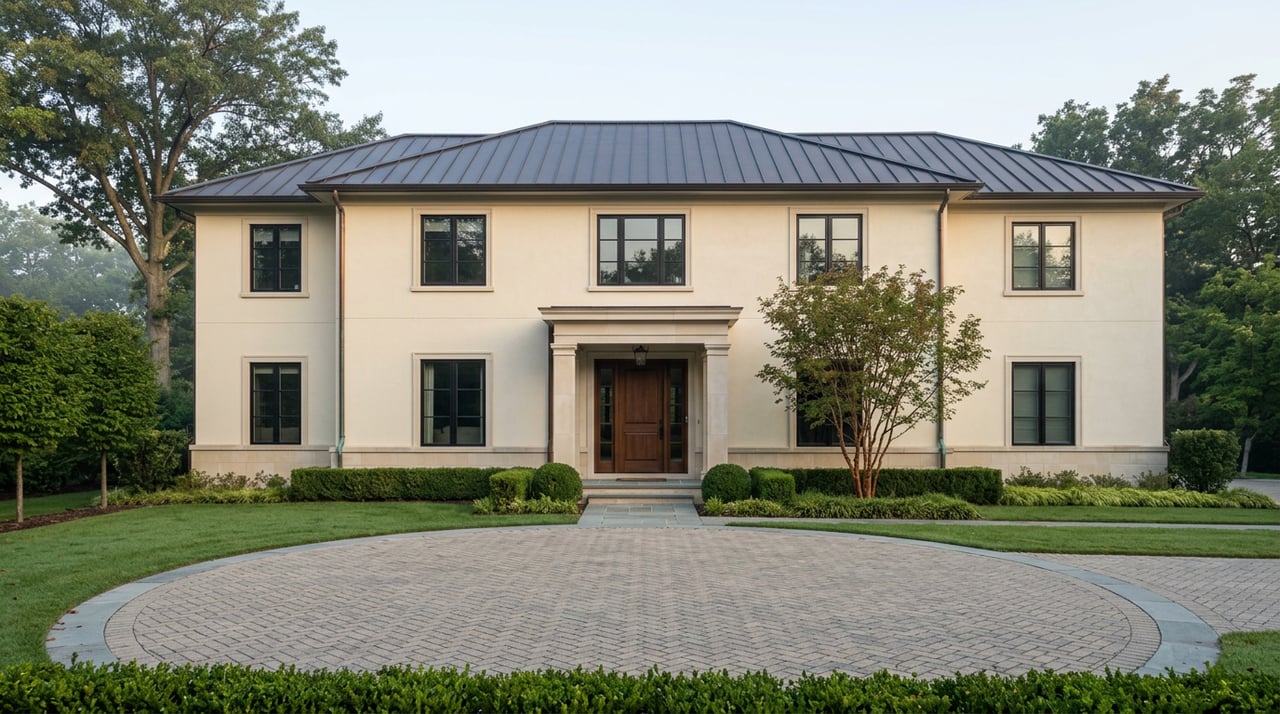
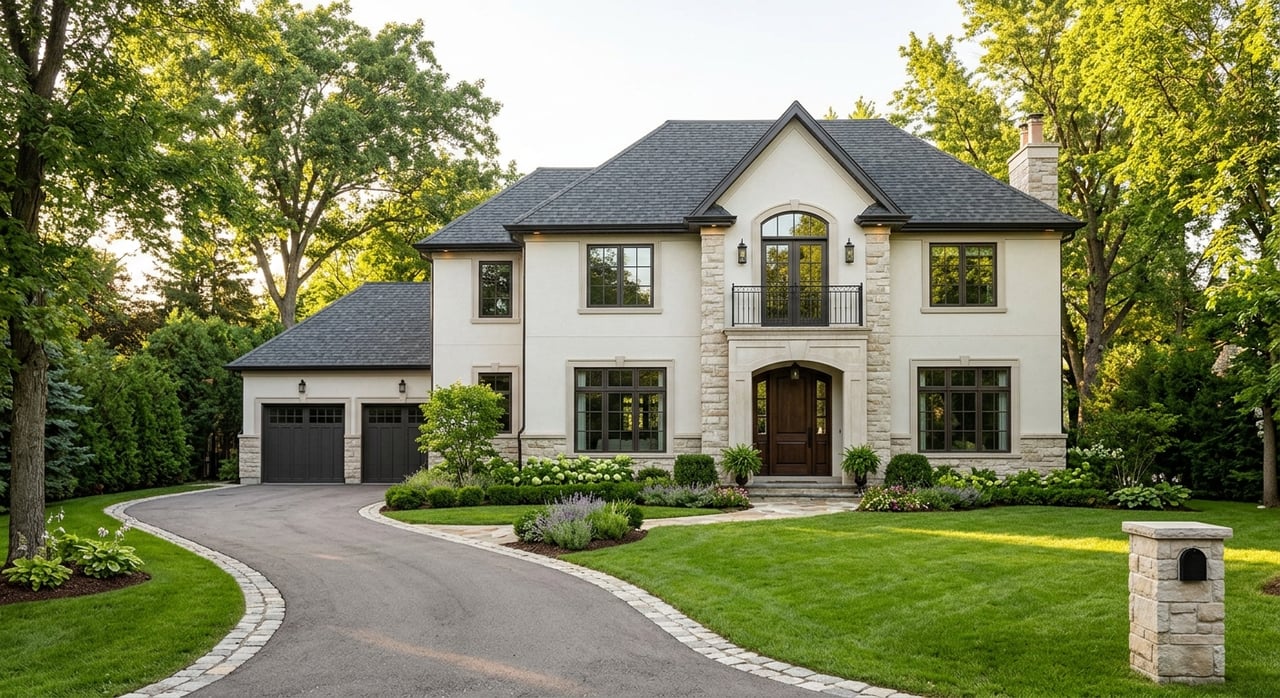
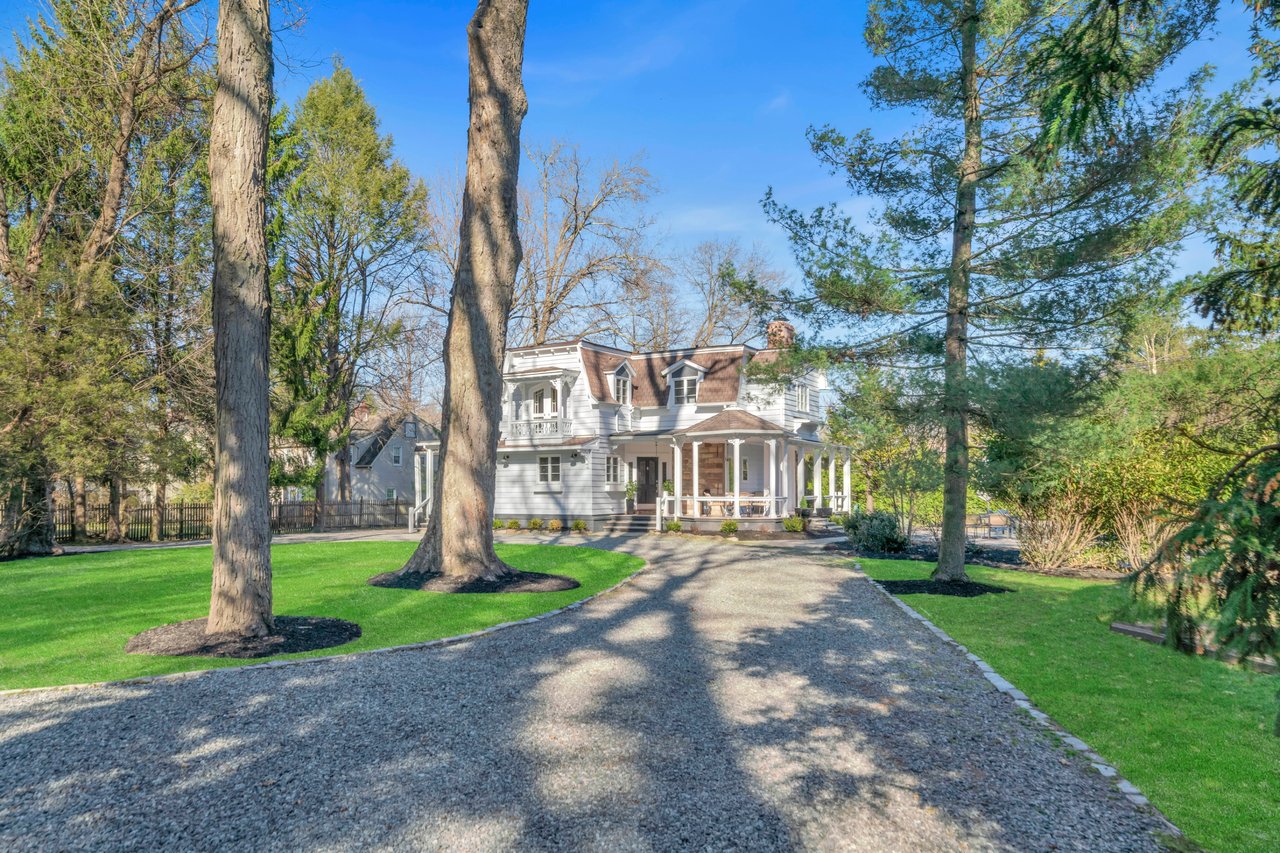
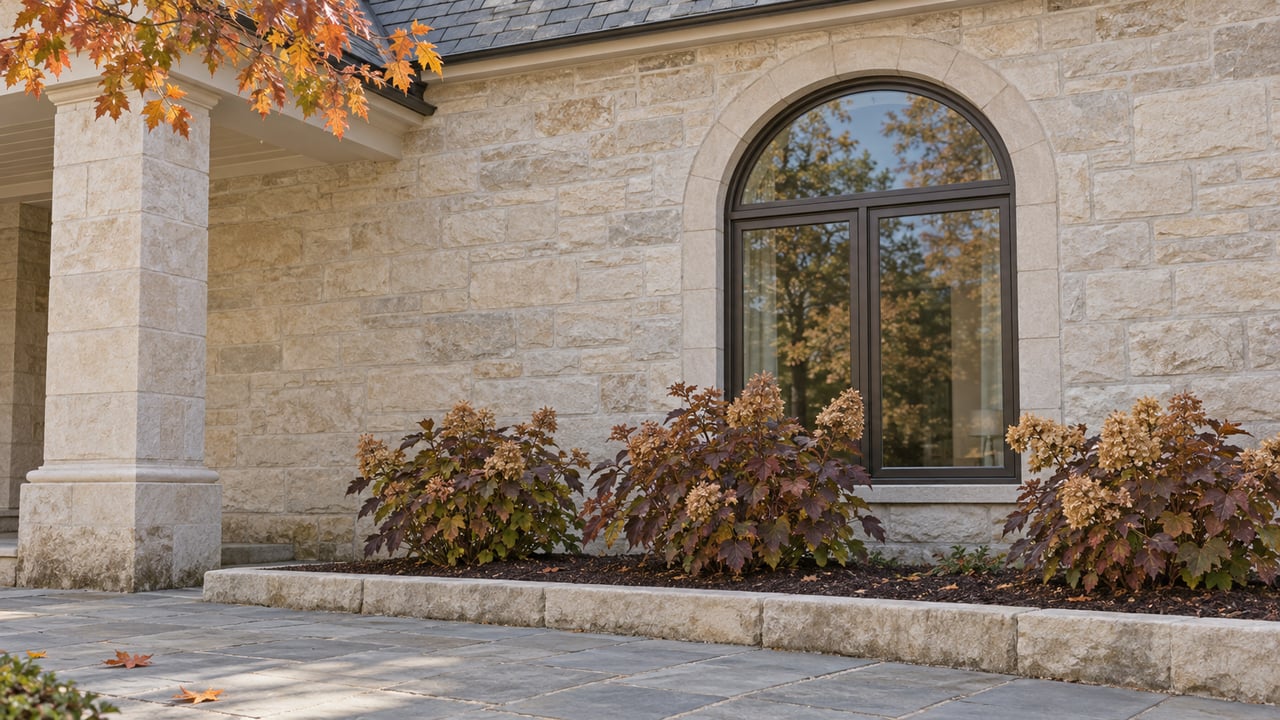
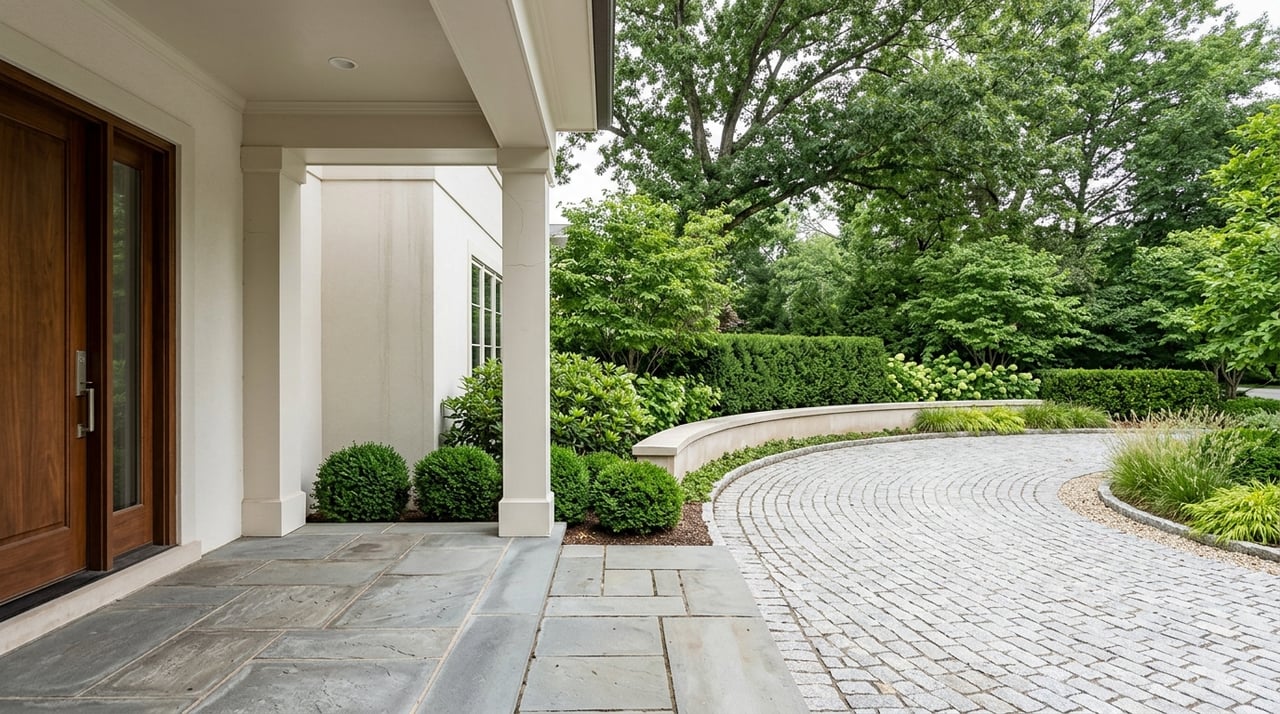
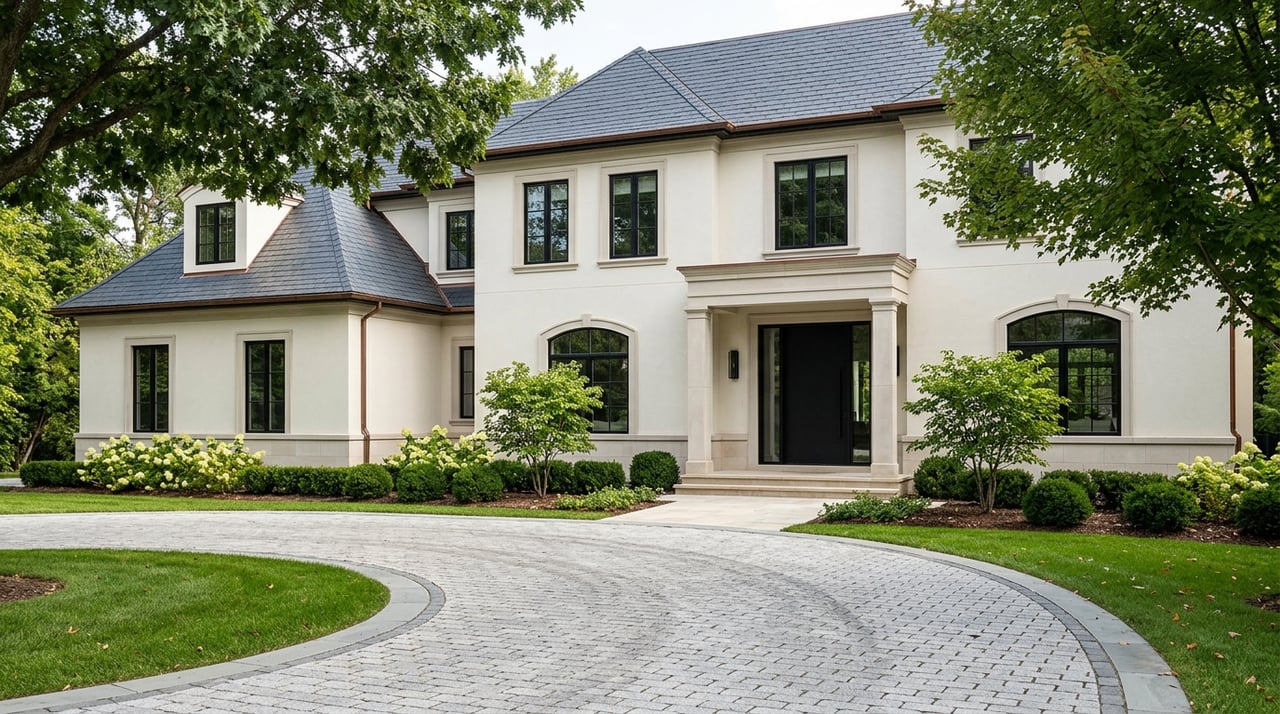
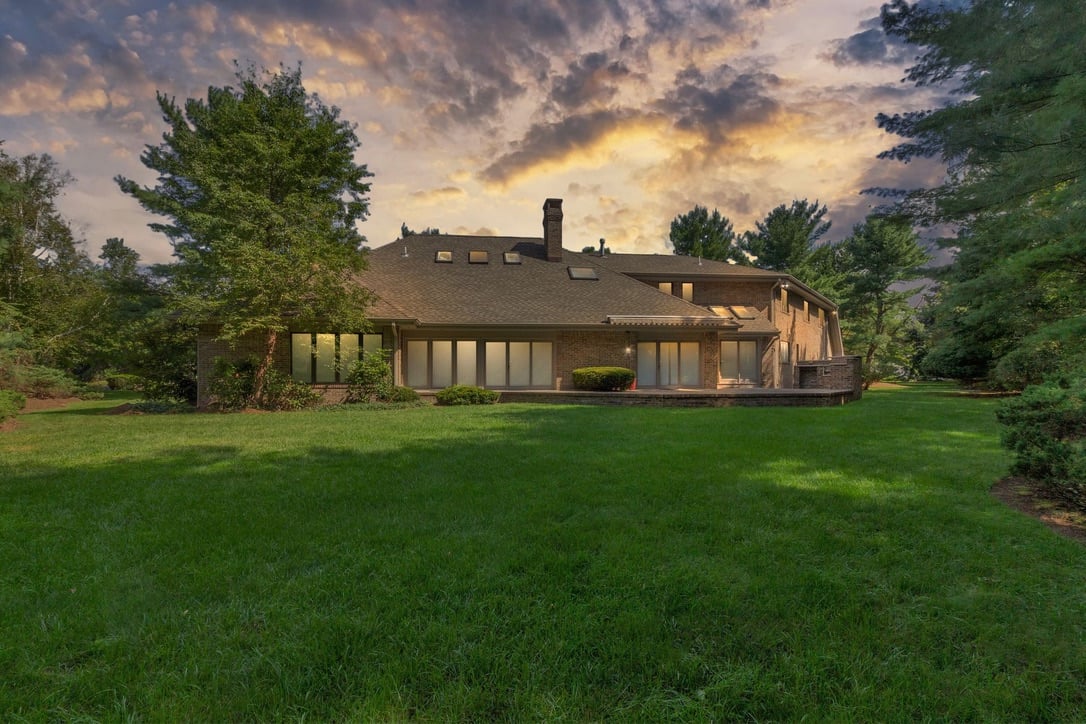
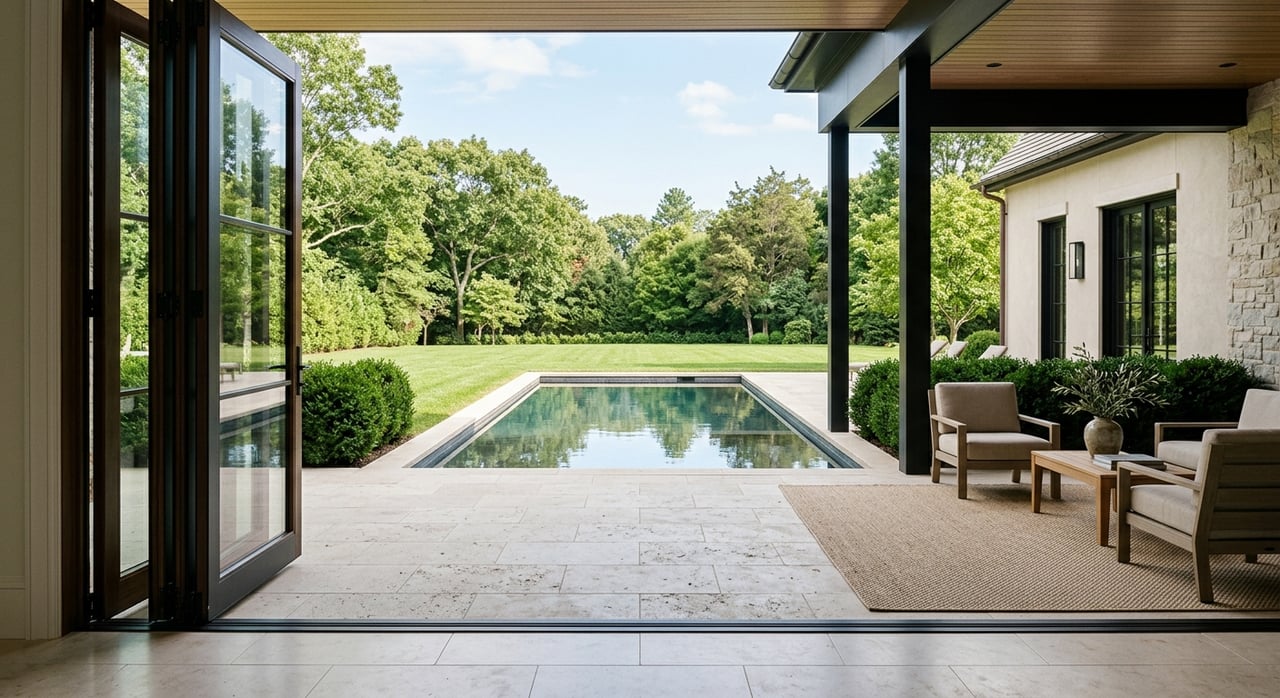
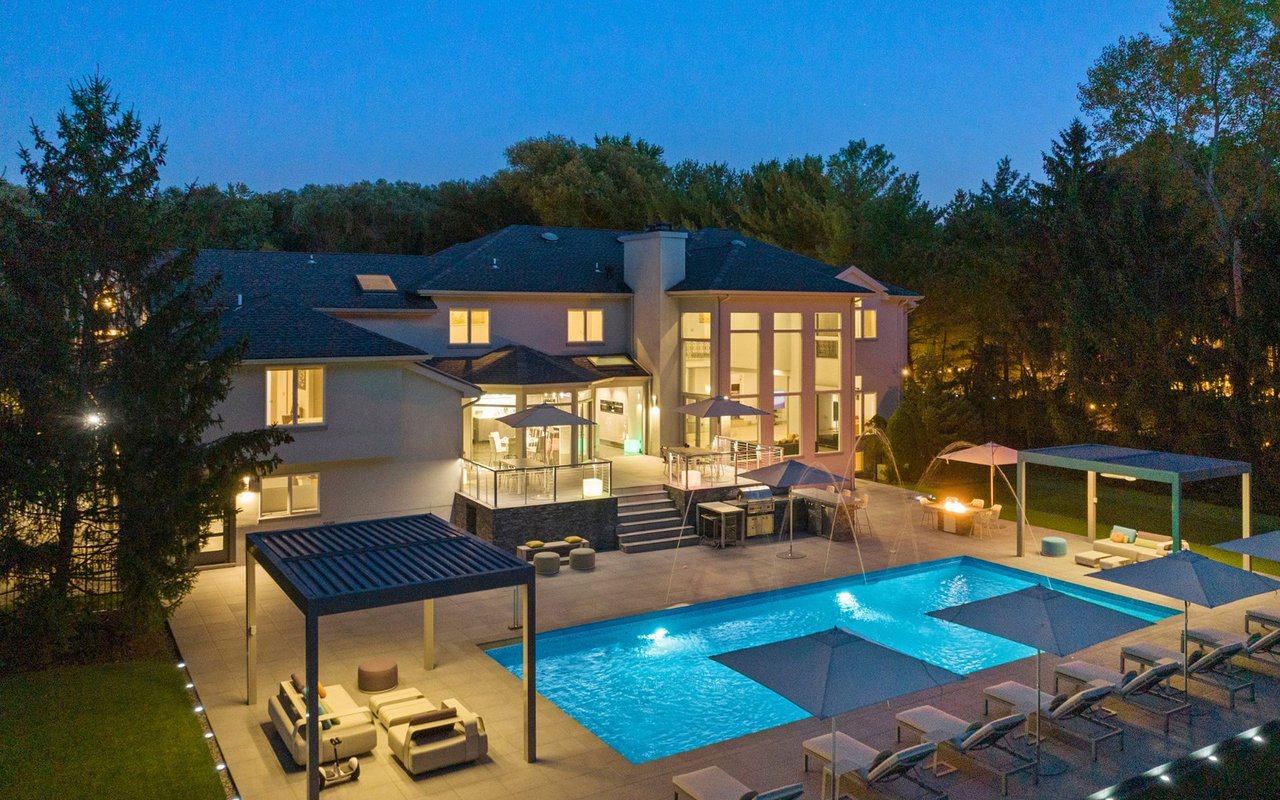
In Alpine, luxury is often about more than the house itself. A recent Alpine estate listing on 417 Route 9W highlighted the type of property buyers commonly encounter: a gated home on 2.34 acres with 7 bedrooms, 6.5 baths, approximately 10,800 square feet, and outdoor features like a saltwater pool, jacuzzi spa, outdoor kitchen, and mature landscaping.
That example reflects a broader pattern in the borough. Many luxury buyers in Alpine are looking for a combination of interior space, separation from neighbors, and usable outdoor living. As you tour homes, it helps to think beyond finishes and room count and focus on how the entire property functions.
Focus on the lot, not just the house
In Alpine, lot quality can be just as important as the home sitting on it. The borough’s residential zoning reflects an estate-style pattern, with minimum lot areas of 87,120 square feet in R-A, 65,340 square feet in R-AA, and 40,000 square feet in R-1, along with a 9% maximum building coverage in those districts, according to Alpine’s zoning and code provisions.
In practical terms, a large lot does not always mean unlimited flexibility. The building envelope may be shaped by setbacks, coverage limits, and site conditions. If you are considering future additions or outdoor improvements, it is smart to evaluate the parcel with the same care you give the home itself.
Ask how the site really lives
A property can look impressive on paper and still feel constrained in real life. You will want to understand where outdoor entertaining areas fit, how much level yard space exists, and whether the layout supports the way you want to live.
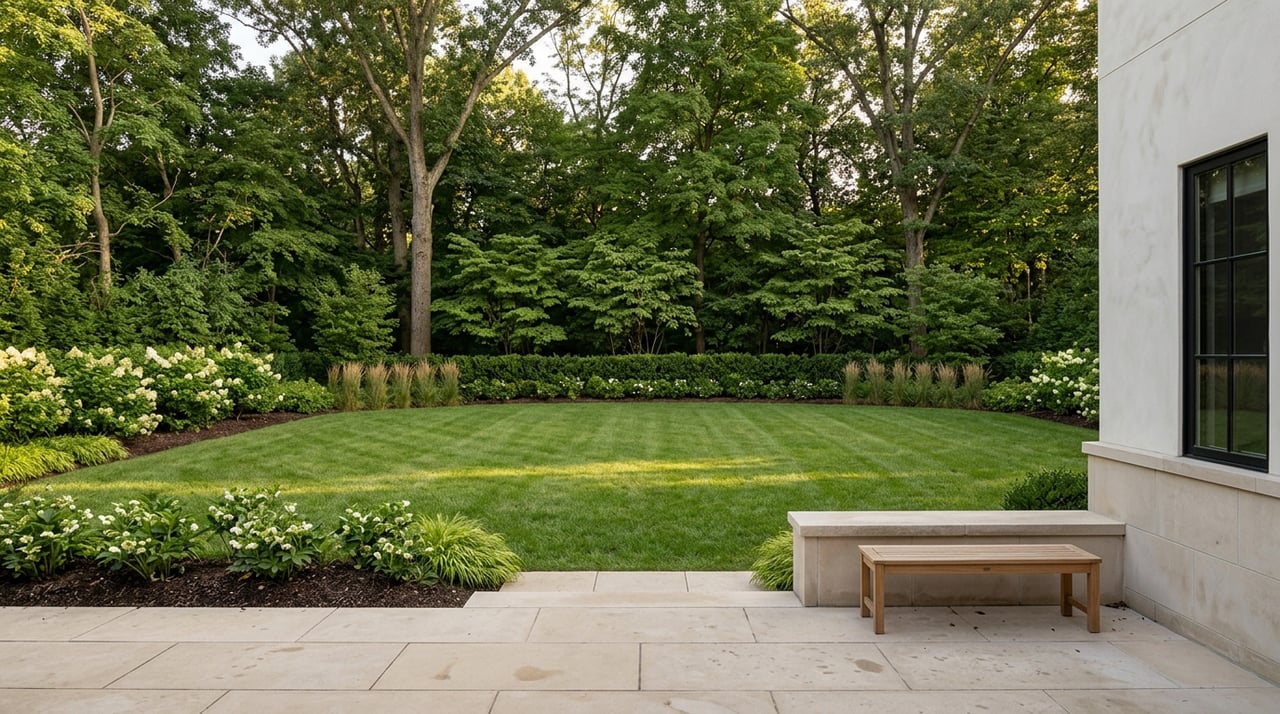
This is especially important in Alpine because landscaping, driveway placement, tree coverage, and topography all affect usability. A beautiful lot may still require careful planning if your priorities include a pool house, sport court, generator, or expanded outdoor kitchen.
Verify zoning before assuming potential
One of the biggest mistakes luxury buyers can make is assuming future possibilities without confirming local rules. Alpine’s zoning map includes multiple residential districts, and the exact zoning of a parcel can affect whether a home can be expanded, reconfigured, or paired with major site improvements, based on the borough’s zoning code and map references.
That means you should verify zoning early, especially if you are buying with a vision. If you are planning to renovate, add accessory structures, or reshape the site over time, the details matter.
Accessory features have limits
Many luxury buyers want amenities beyond the main residence, such as guest structures, pool houses, tennis courts, retaining walls, or backup power systems. Alpine specifically states that no accessory building may be placed in a front or side yard, and rear-yard accessory coverage is capped at 20% of the rear yard area in residence zones, according to the borough code.
This can affect how a property supports your lifestyle plans. Even if the lot is large, the placement and scale of accessory improvements may be more limited than you expect.
Pay close attention to slopes and drainage
In Alpine, site conditions are a major part of due diligence. In the R-A, R-AA, R-1, and R-R districts, the borough requires drainage, erosion and sedimentation, and stormwater plans because of slope and rocky soil conditions, based on Alpine land-use regulations.
The same code defines slopes above 15% as steep slopes, limits disturbance in the 15% to 34.9% range, and prohibits disturbance at 35% and above. So while a parcel may appear generous in size, engineering constraints can reduce what is realistically usable.
Why this matters before you buy
If you are comparing two luxury properties with similar acreage, they may not offer the same flexibility. One may have more level, buildable, and functional land, while the other may be more restricted by grade, drainage, or preservation rules.
That is why luxury buying in Alpine often calls for a more careful review of surveys, site plans, and property history. It is not just about what looks appealing during a showing. It is about understanding what the land can support over time.
Prepare financially before touring
Because Alpine is such a small market, preparation matters before you ever step into a showing. The combination of thin inventory and a median listing price of $4.688 million suggests that when the right property appears, buyers benefit from being ready to act, according to current Alpine market data.
That readiness usually means having financing lined up if you are financing, proof of funds organized if you are buying in cash, and a clear plan for how decisions will be made. In a market with limited options, hesitation can cost you an opportunity that may not be easily replaced.
Review permits and occupancy documents carefully
Luxury-home due diligence in Alpine should go beyond a standard home search checklist. The borough requires building and zoning permits, and no building may be occupied until a certificate of occupancy is issued. Alpine also requires a certificate of continued occupancy resale when a transfer of ownership is accompanied by a change in occupancy, with inspections and advance timing built into the process, according to the borough code requirements.
For you as a buyer, this makes documentation especially important. If a home has additions, pools, courts, site work, or other improvements, it is wise to verify that the proper approvals were obtained.
Key records to review
Before closing, you may want to confirm items such as:
- Permit history for additions or renovations
- Approvals for pools, spas, courts, or accessory structures
- Records tied to grading, drainage, or engineering work
- Certificate of occupancy or continued occupancy requirements
- Any known zoning or site-compliance issues
In a luxury purchase, these details can affect both your peace of mind and your future plans for the property.
Build a smart buying strategy
A strong Alpine buying strategy usually starts with narrowing your non-negotiables. In a market this specific, it helps to separate true must-haves from nice-to-haves.
For example, you may want to rank priorities such as:
- Acreage and privacy
- Level usable yard space
- Existing outdoor amenities
- Room count and layout
- Renovation potential
- Ease of expansion within zoning limits
- Long-term maintenance needs
This kind of clarity can help you move faster when the right property comes along. It also keeps you focused on value, rather than getting distracted by cosmetic details that may matter less than the site itself.
Think long term about ownership
A luxury home in Alpine is often a lifestyle decision as much as a real estate purchase. The borough’s low-density, wooded character, one-family detached residential pattern, and long-standing Tree City USA recognition all reinforce a setting where privacy, mature landscaping, and preservation matter.
For that reason, it is helpful to think beyond the initial purchase. Ask yourself how the property will support your needs in five or ten years, how much maintenance the site may require, and whether the land, layout, and permitted improvements line up with your long-term plans.
Work with guidance that matches the property
Luxury home buying in Alpine calls for more than a quick search of active listings. You need a clear view of the market, careful evaluation of each parcel, and a steady process for pricing, due diligence, and negotiation.
With her Bergen County focus, hands-on approach, and personalized buyer guidance, Lana Henriques can help you evaluate Alpine opportunities with the strategy and attention to detail this market deserves.
FAQs
What makes buying a luxury home in Alpine different from buying in other Bergen County towns?
- Alpine is a very small, high-price market with limited inventory, and buyers often need to weigh zoning, topography, privacy, and site usability as carefully as the home itself.
What should you check before buying land or a large lot in Alpine?
- You should verify the property’s zoning, steep-slope conditions, drainage constraints, building coverage limits, and how those factors affect future additions or outdoor amenities.
Why do permits matter when buying an Alpine luxury property?
- Permits and occupancy documents can help confirm whether additions, pools, courts, and other improvements were properly approved, which is important for both compliance and future planning.
Can you add a pool house or other accessory structure to an Alpine property?
- Possibly, but placement and coverage are regulated by borough rules, so you should confirm what is allowed on the specific parcel before making assumptions.
How can you prepare to buy a luxury home in Alpine?
- You can prepare by organizing financing or funds, clarifying your must-haves, and working with a local real estate professional who understands how parcel quality and zoning shape value in Alpine.
Work with a Strategic Advocate Buying a luxury home in Alpine requires more than a standard search—it requires a localized strategy that weighs zoning, topography, and land value with equal importance. As a Pricing Strategy Advisor (PSA) with a background in decorating and renovation, I provide the grounded, hands-on guidance necessary to navigate this exclusive market.
Ready to discuss your Alpine strategy? Contact Lana Henriques directly at 201-310-6560 or visit my About Page to learn more about my approach to Bergen County real estate.
Where Alpine fits in Bergen County
Land, privacy and long-term value in Alpine only make sense against the rest of the county. My Alpine neighborhood guide covers the practical side of owning here, and my Bergen County guide shows how Alpine sits relative to Closter, Norwood, Harrington Park and the rest of the Northern Valley. If you are evaluating something you already own, start with my home valuation page.