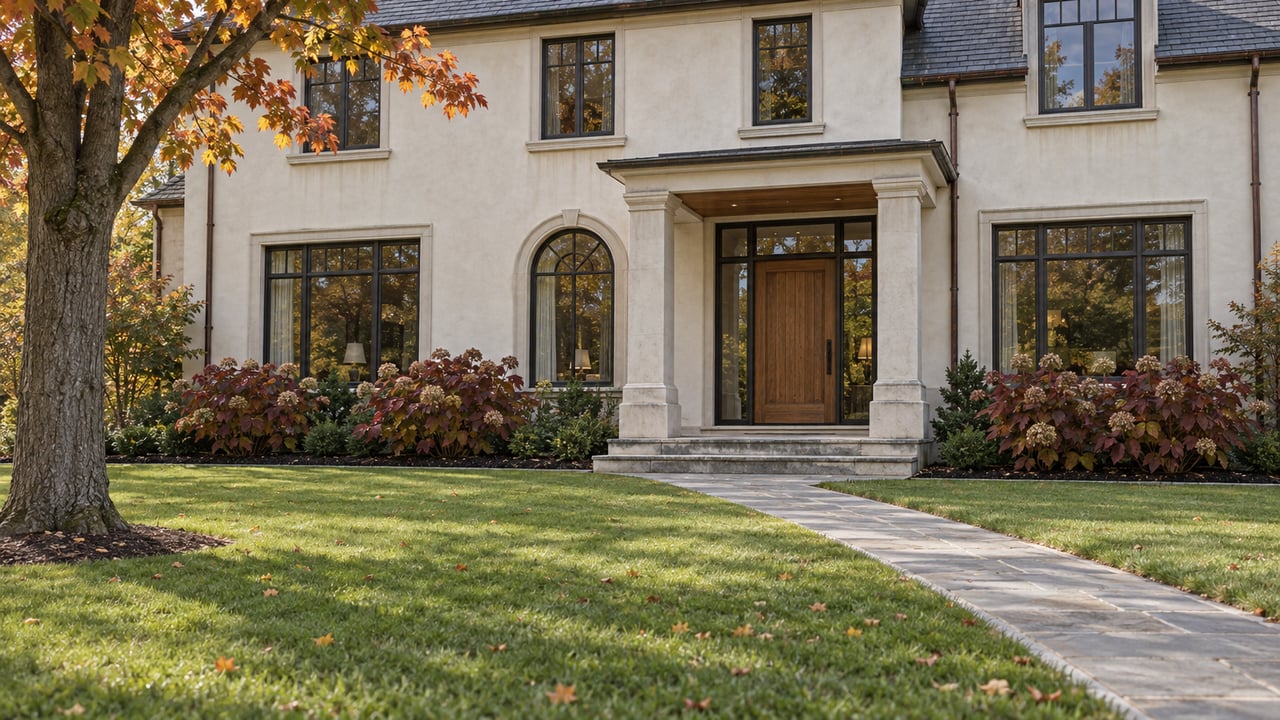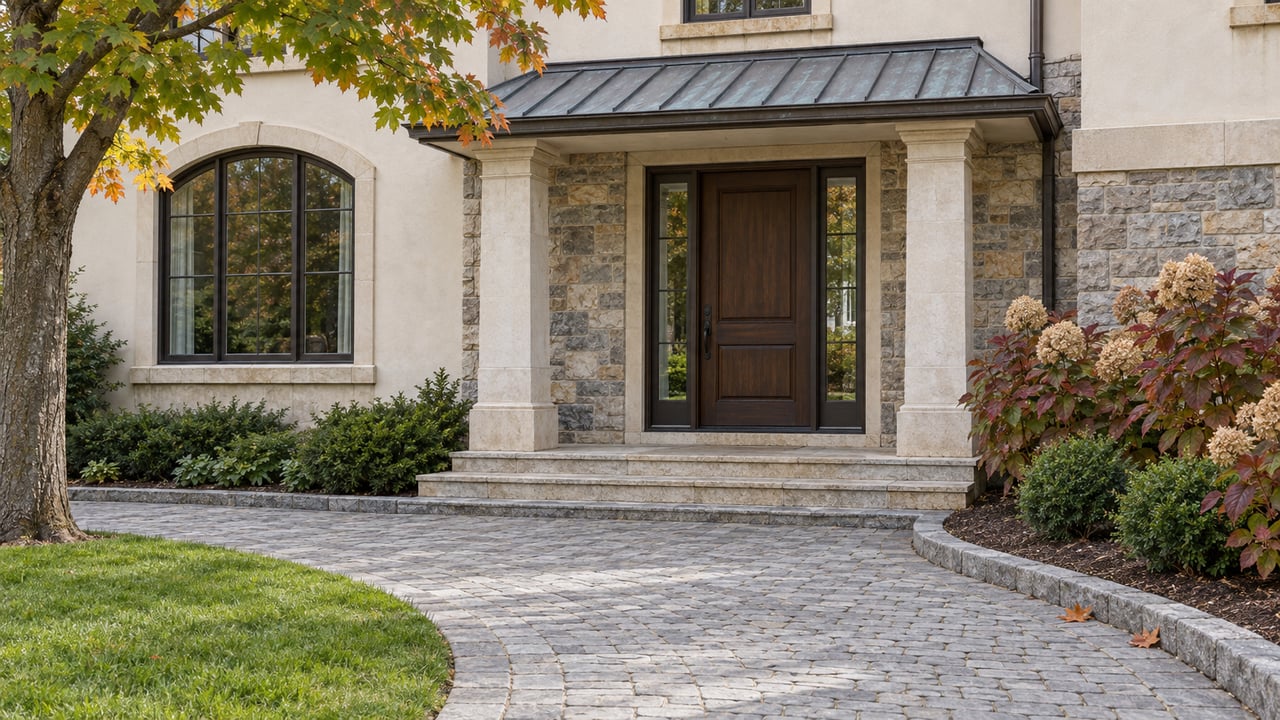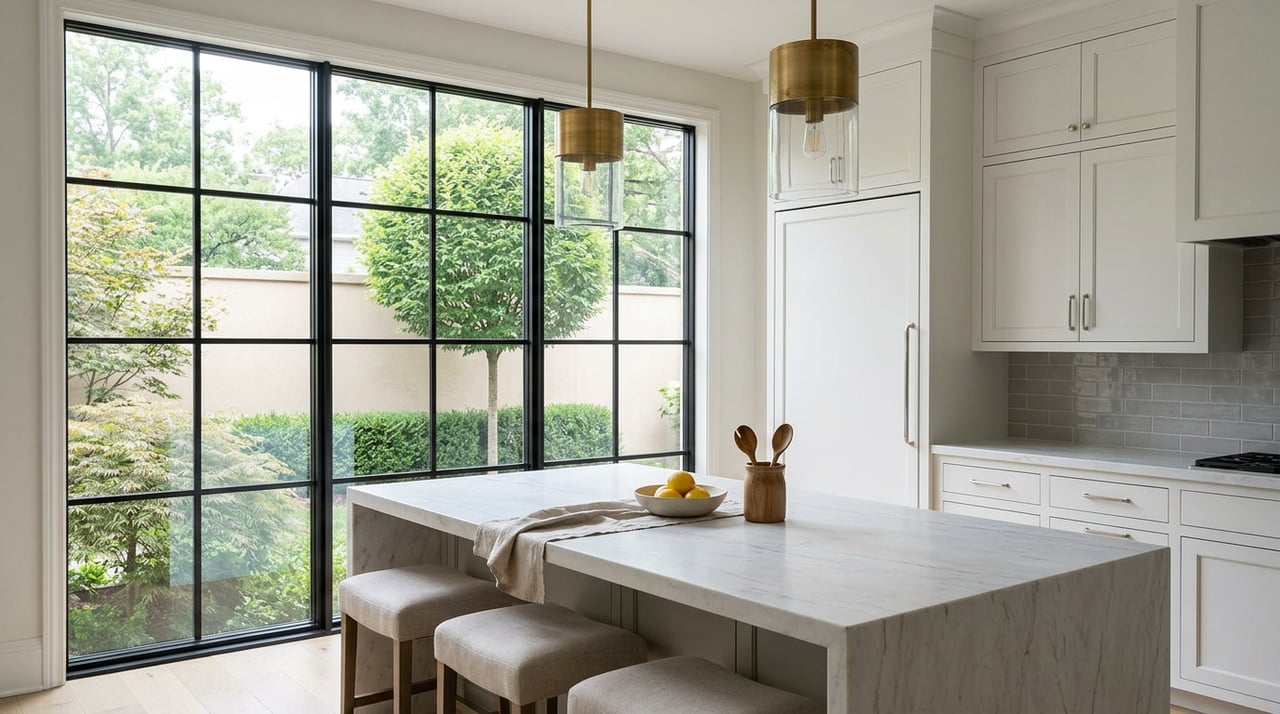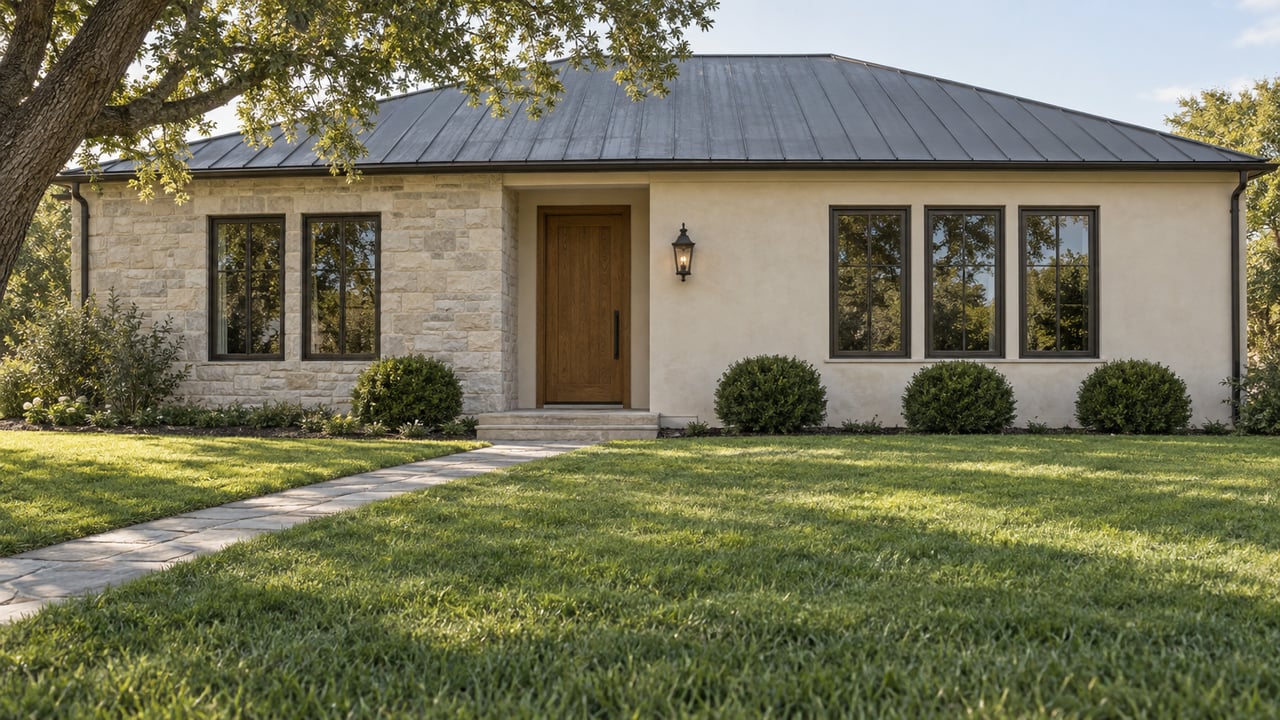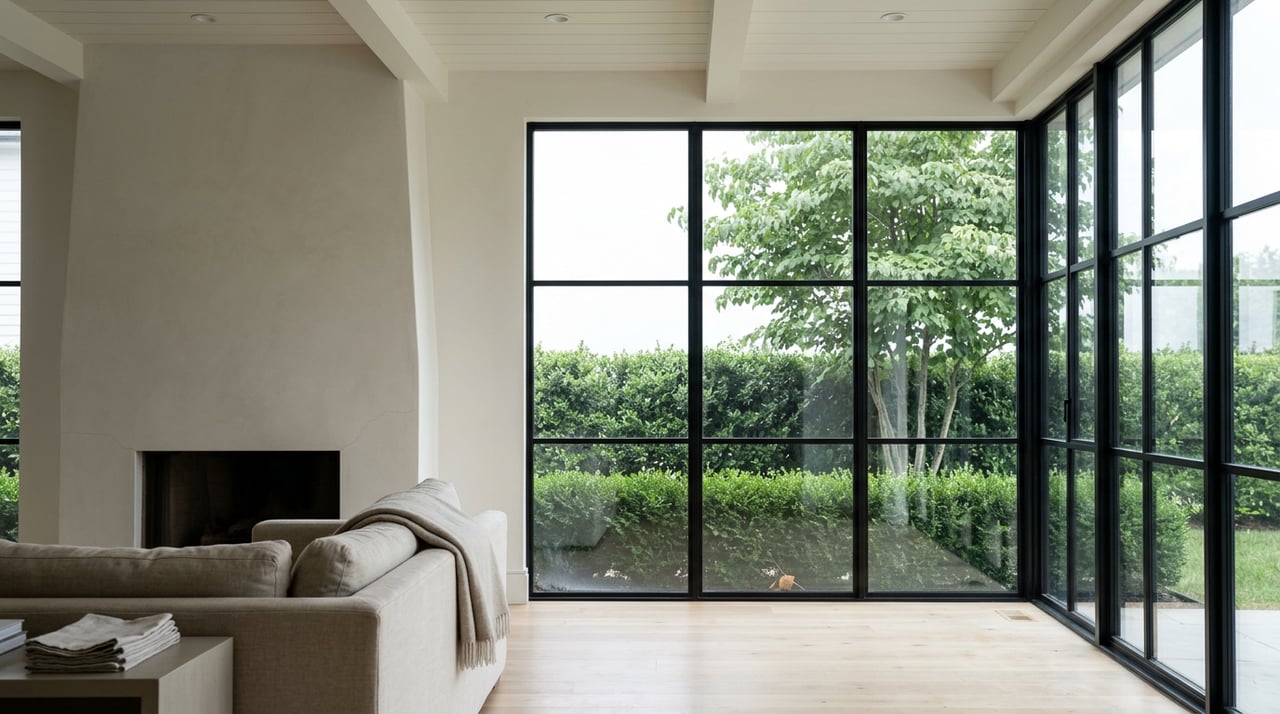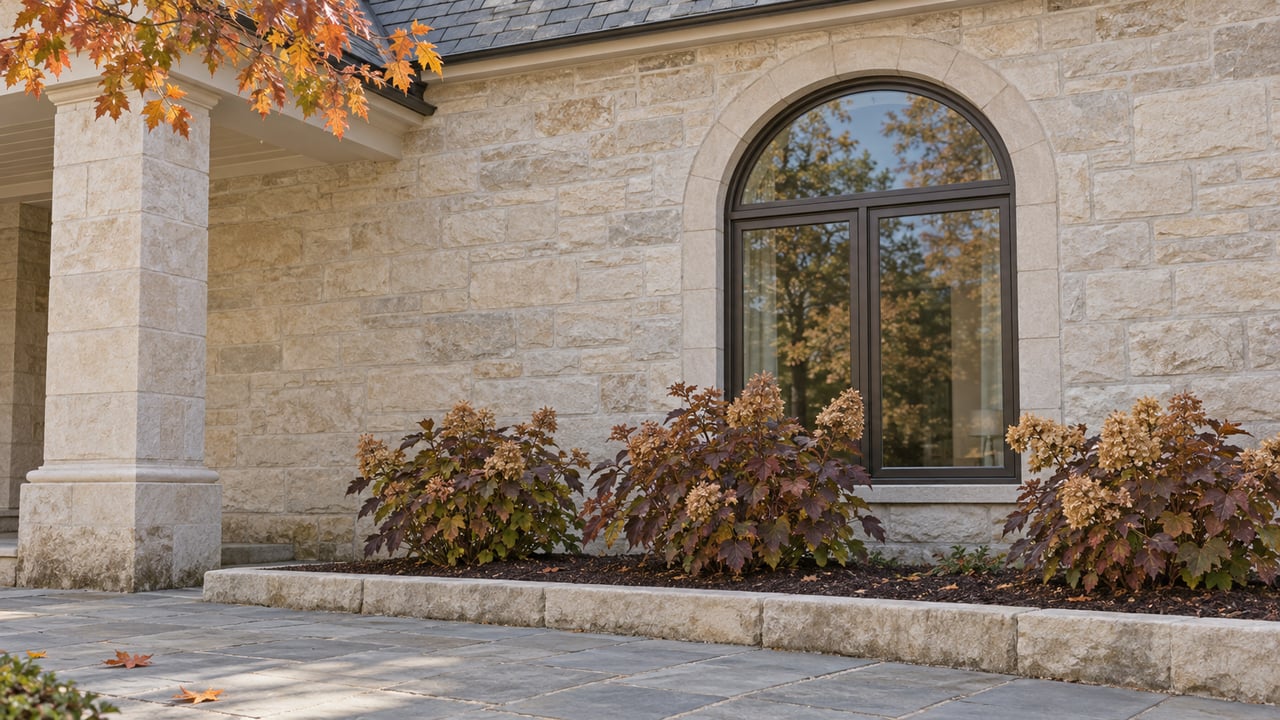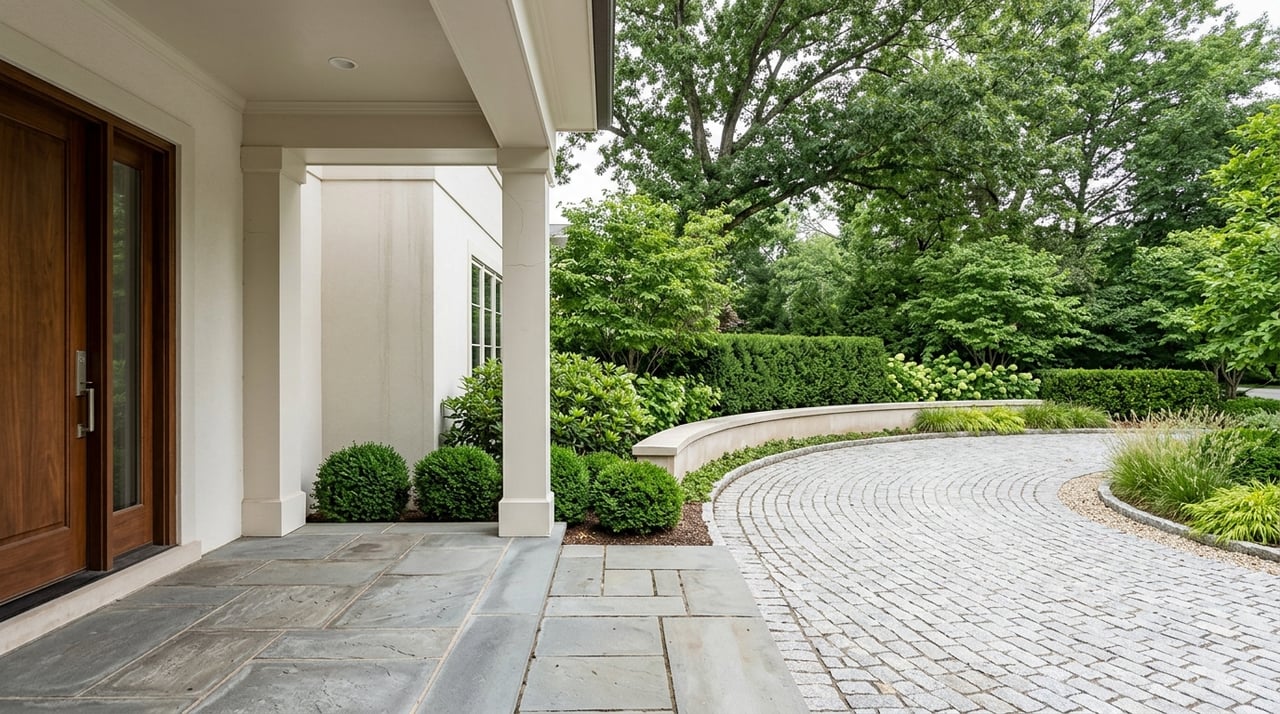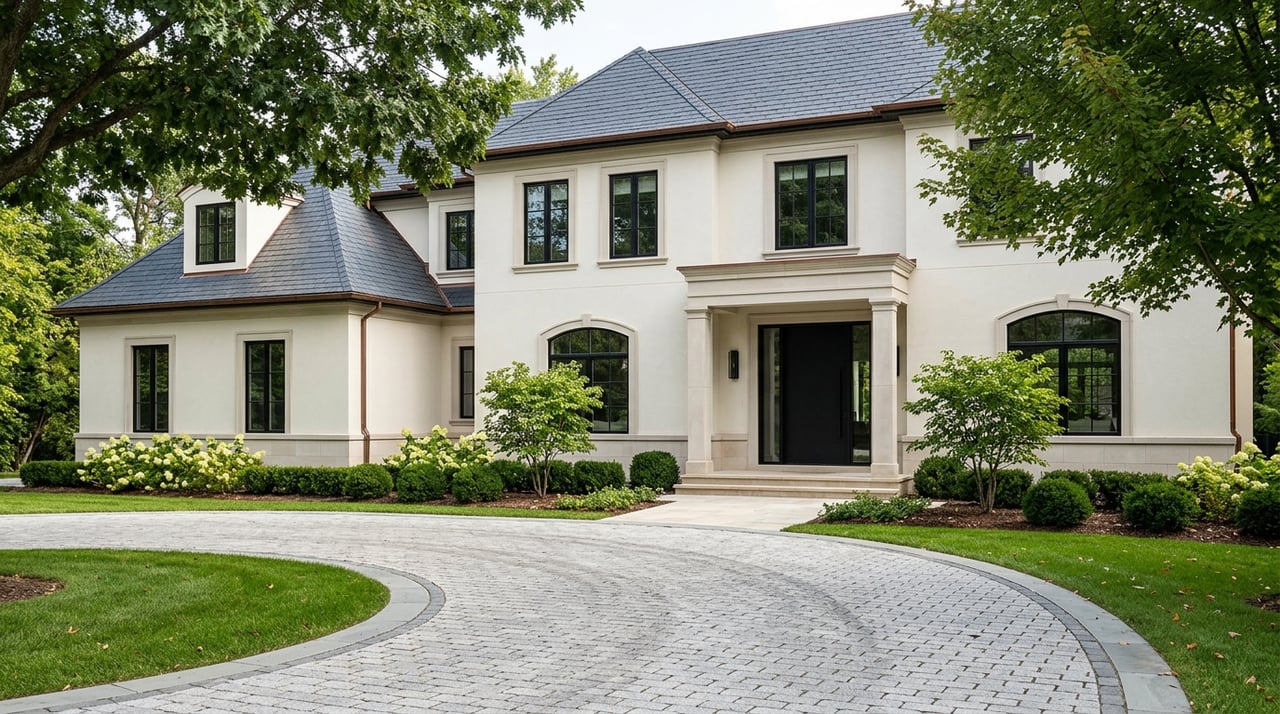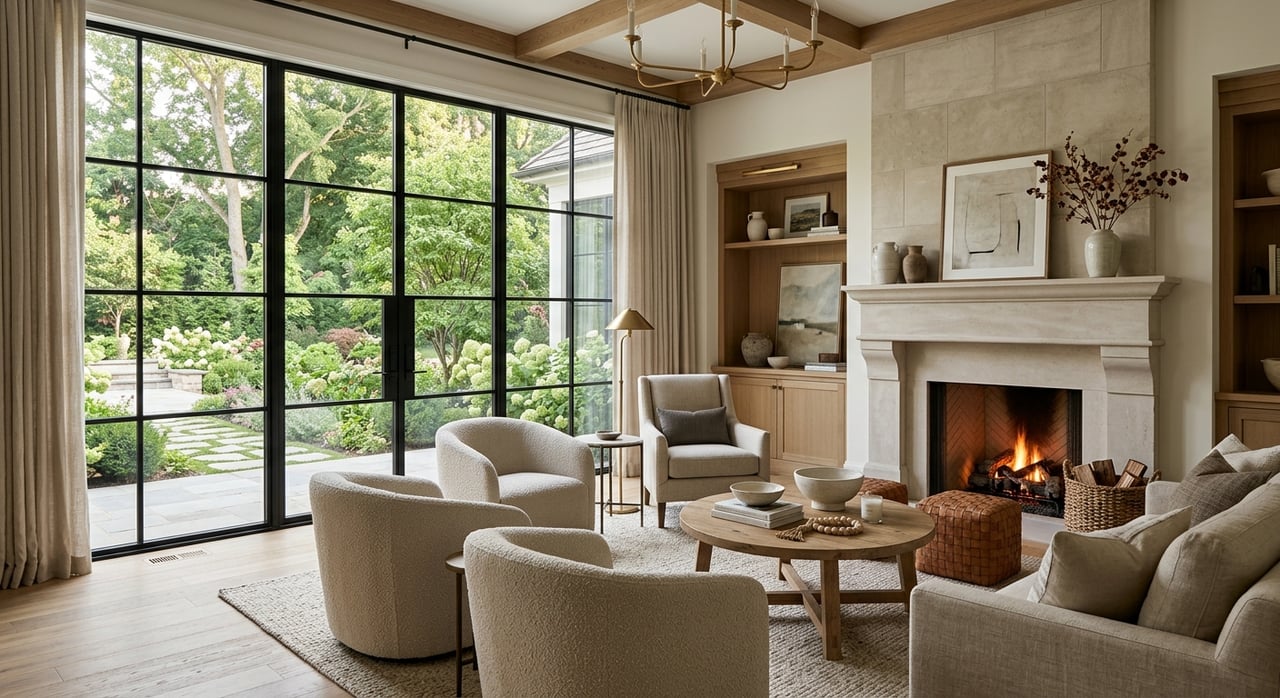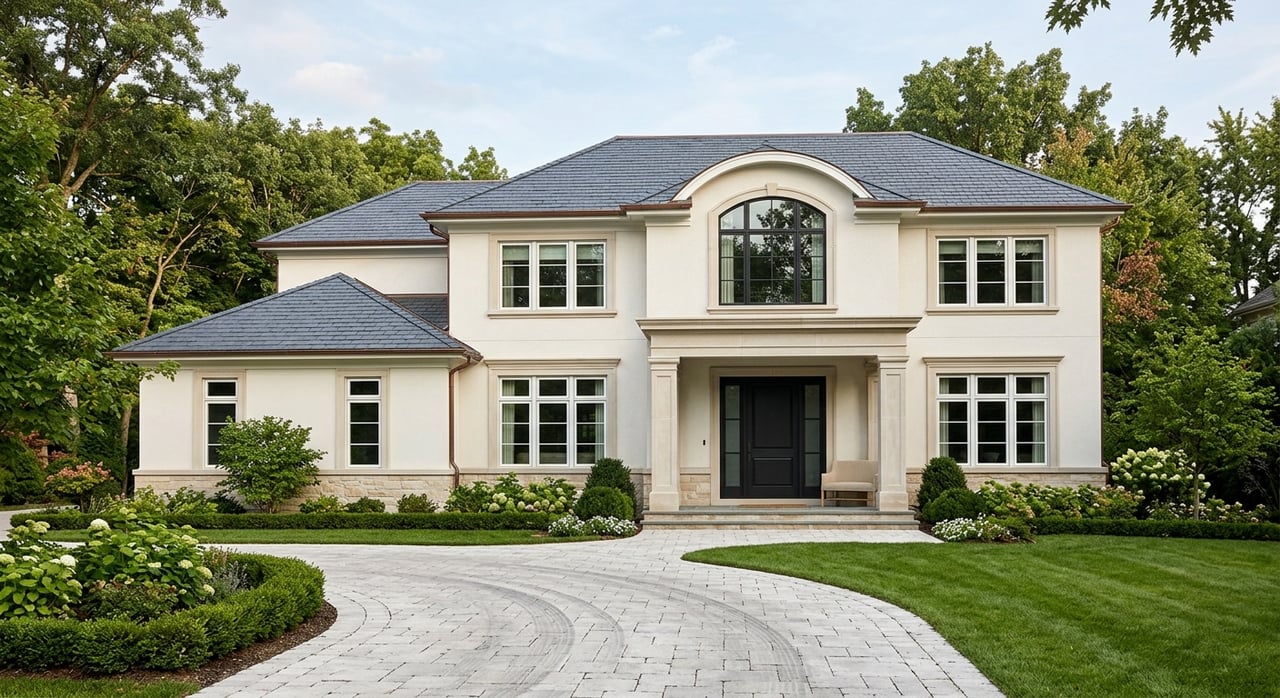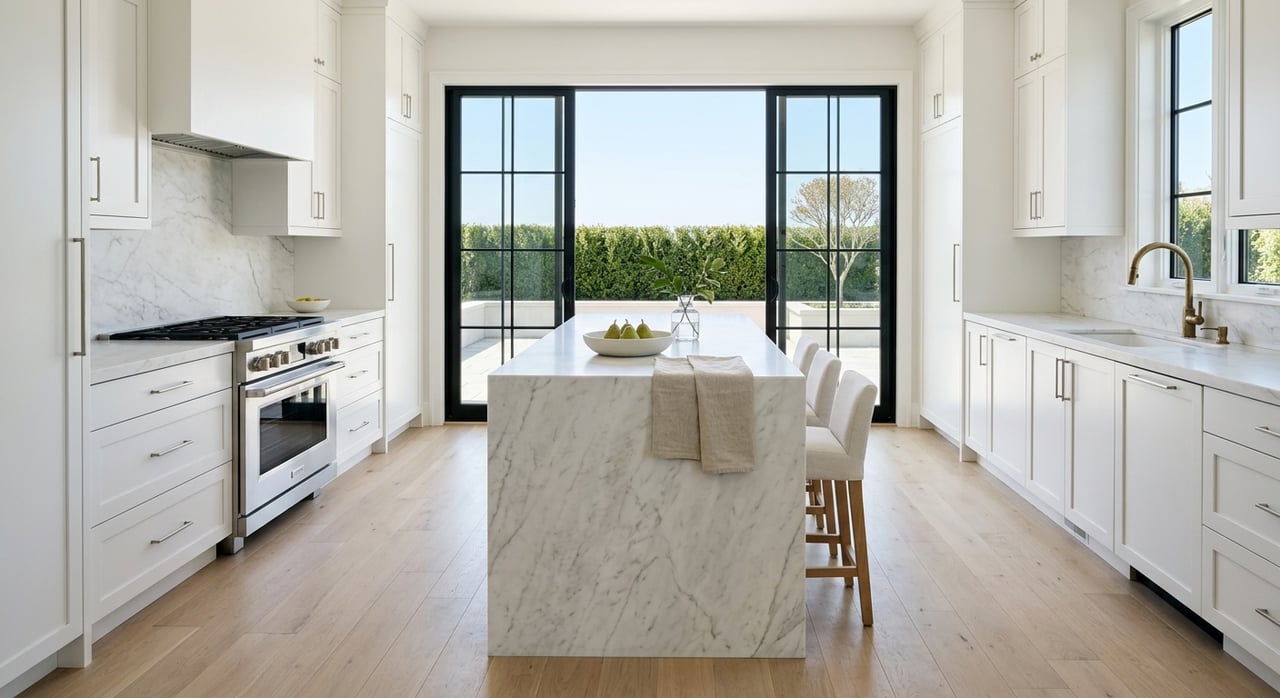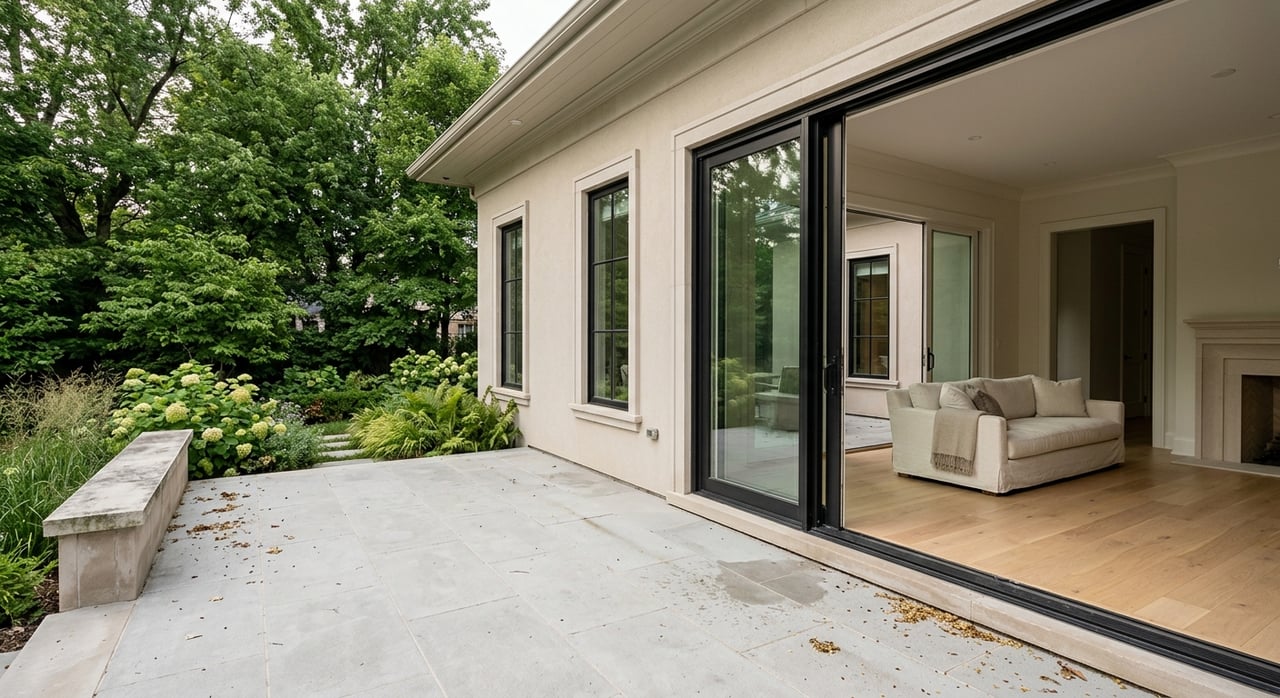
In a small town like Norwood, real estate is personal—it doesn't fit into a neat little box. While broad online estimates can give you a casual starting point, they can’t capture the true personality or value of your home. A computer algorithm doesn’t know your layout, the care you’ve put into your updates, or how your specific lot lives. To really understand what your home can command today, you have to look past the broad market averages and focus on the hyper-local details that actually move the needle.
Norwood values are strong, but not one-size-fits-all
Norwood remains a high-value Bergen County market, but there is no single number that tells the whole story. As of March 31, 2026, Zillow’s Norwood home value index was $898,894, up 5.0% year over year. Realtor.com also showed a median listing home price of $950,000, with 16 active listings and an average of 15 days on market.
Those figures point to a current value range that generally falls in the high-$800,000s to low-$1 million range. Still, your home’s actual value can land well above or below that band depending on size, lot, condition, layout, updates, and the best recent comparable sales. In a town with relatively few listings and sales, those differences matter a lot.
New Jersey’s 2025 average residential statistics add useful context. Norwood had 1,828 residential line items, 41 sales, an average assessed value of $560,028, an average tax bill of $16,196, and an average sales price of $987,329.44. That tells you Norwood continues to command meaningful value, but it also reinforces how important smart pricing is in a market with a modest number of transactions.
Recent sales show the value spread
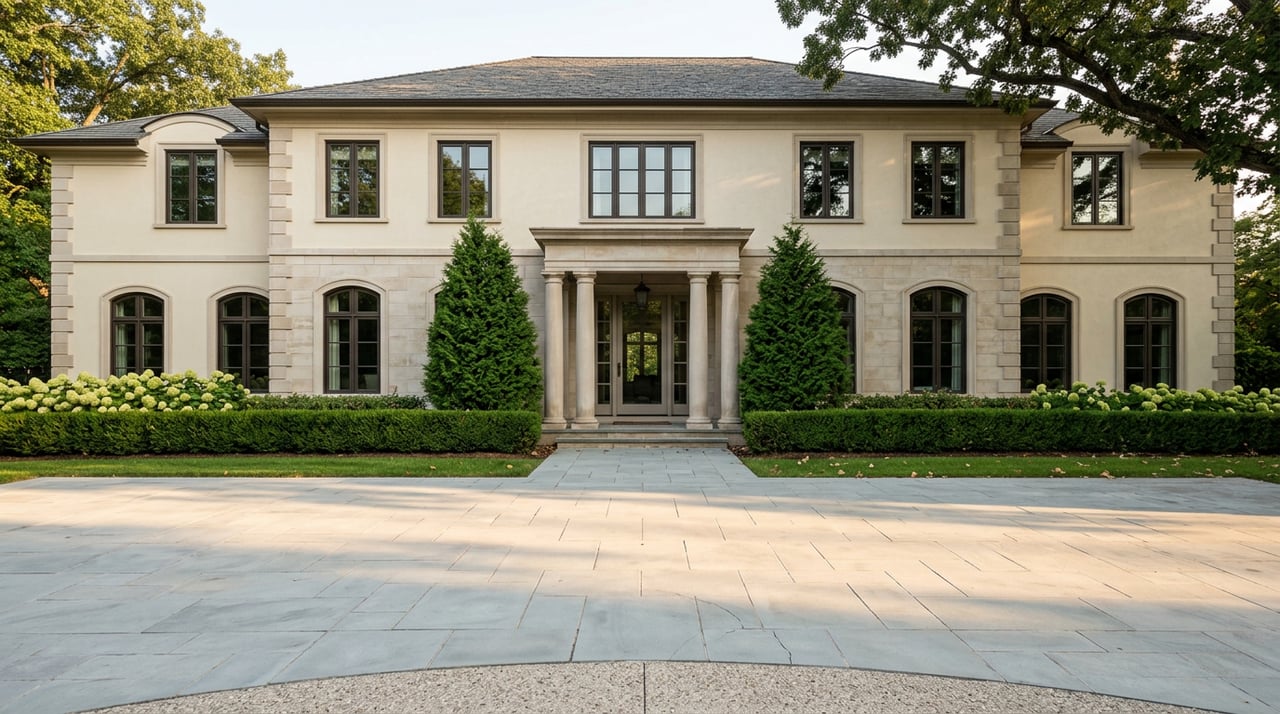
One of the clearest ways to understand Norwood home value is to look at what buyers recently paid for different types of homes. Recent sold properties ranged from $665,000 at 535 High St to $2.38 million at 54 Mohawk Ave. That is a very wide spread for one small borough.
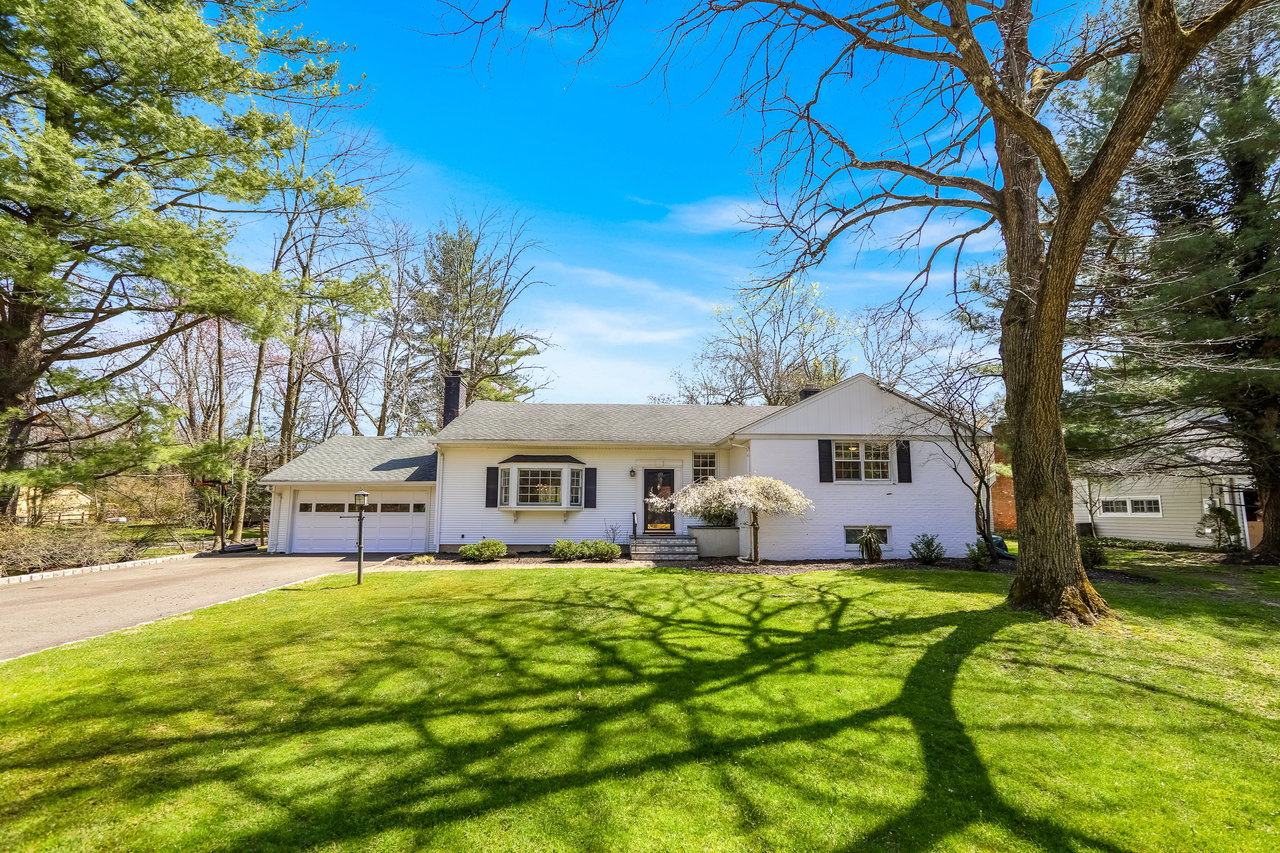
The reason is simple. Buyers are not paying for a ZIP code alone. They are reacting to square footage, lot size, usable outdoor space, condition, level of renovation, and how well a property presents compared with other options.
Recent reported sales help illustrate that point:
- 54 Mohawk Ave sold for $2.38M with 6 bedrooms, 5.5+ baths, 7,531 square feet, and 0.91 acre
- 680 Broadway sold for $1.375M with 5 bedrooms, 5.5 baths, 5,500 square feet, and 0.84 acre
- 30 Mills Ave sold for $1.15M with 2,098 square feet and 0.31 acre
- 84 Briarwood Ave sold for $918,100 with 4 bedrooms, 2.5 baths, and 0.92 acre
- 216 Beech Ct sold for $855,000 with 2,133 square feet on a 7,928-square-foot lot
- 74 Kensington Ave sold for $705,000 with 2,203 square feet and 0.23 acre
- 535 High St sold for $665,000 with 1,152 square feet and 0.42 acre
When you line up sales like these, it becomes clear that small differences can create large pricing gaps. That is why broad averages are only a starting point, not a pricing strategy.
Condition often changes the number most
If two Norwood homes have similar size and location, condition often becomes the deciding factor. Fannie Mae notes that appraisals consider the home’s condition, design, maintenance, landscaping, features, and current market trends, along with recent sales of similar properties.
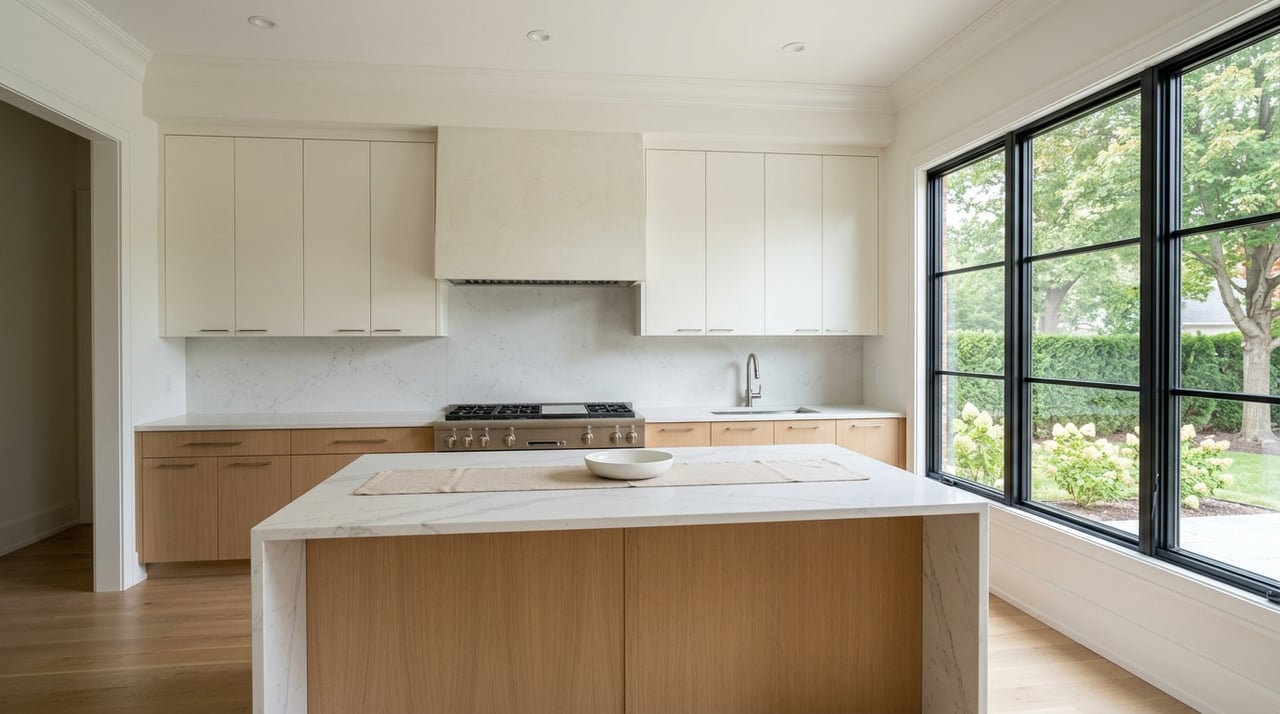
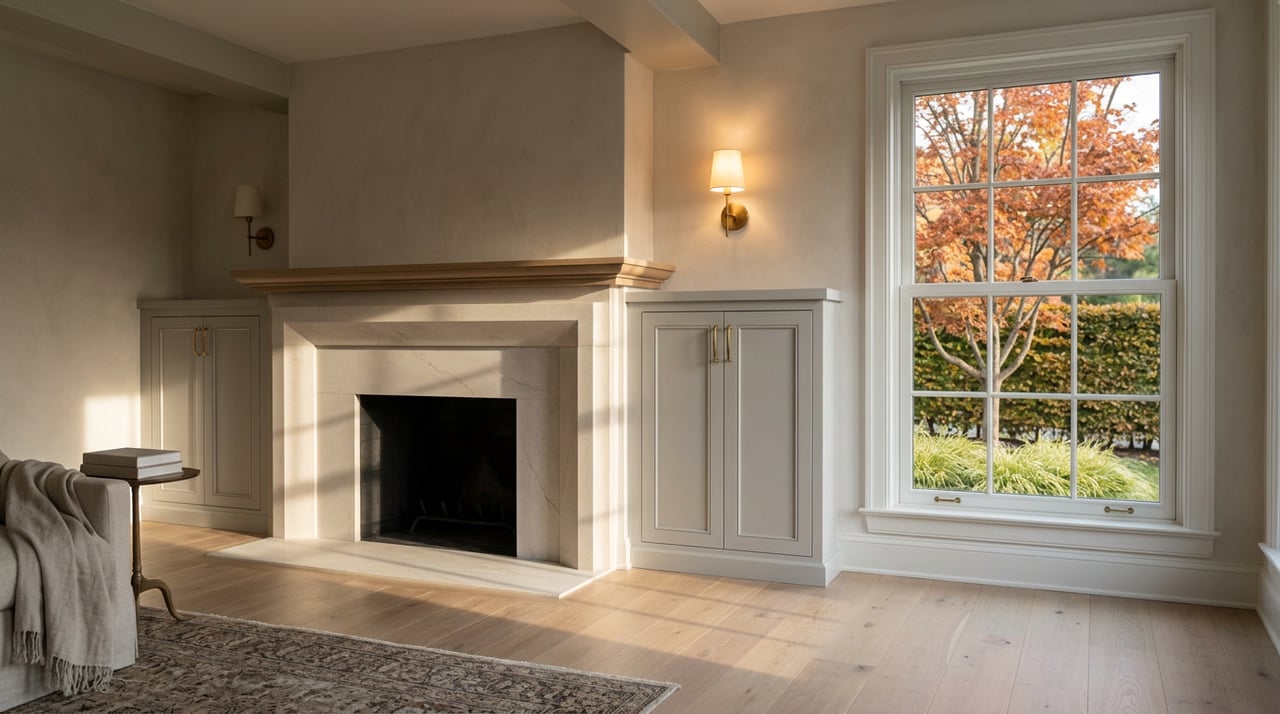
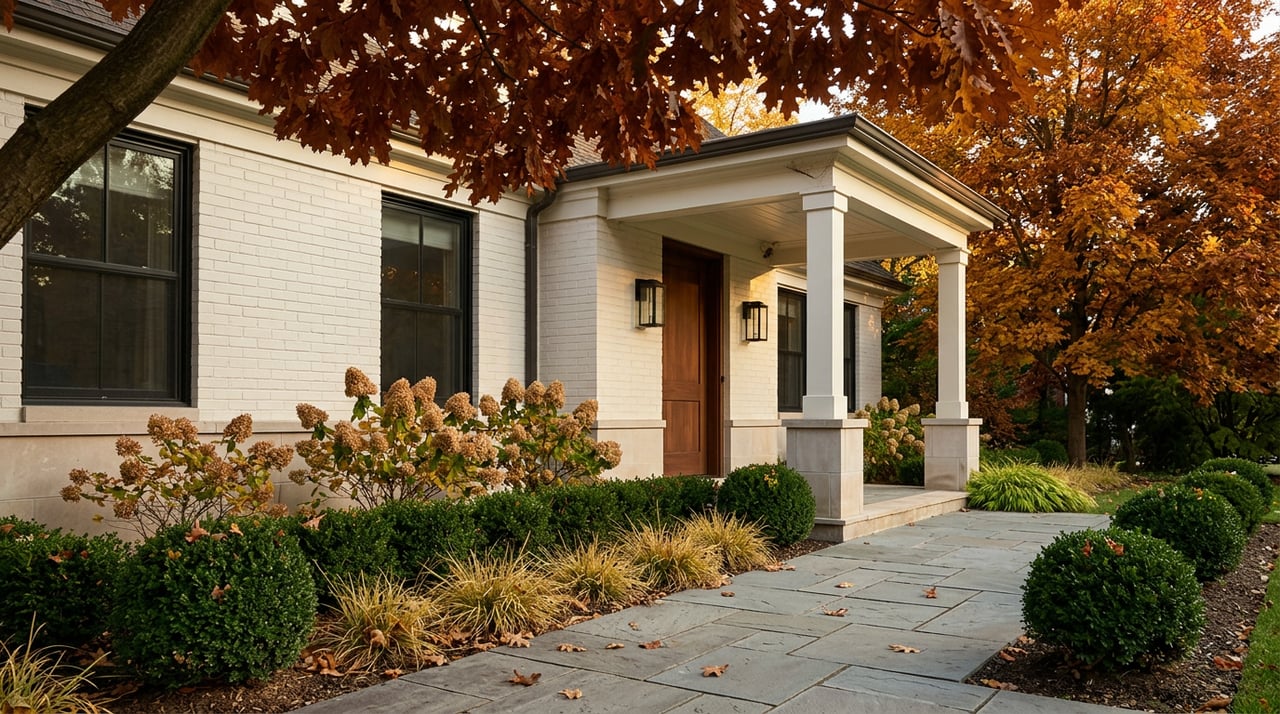
In real terms, buyers and appraisers notice visible upkeep. A home with updated finishes, well-maintained systems, and strong overall presentation usually compares more favorably against nearby sales than a similar home that feels dated or deferred in maintenance.
That does not mean every improvement adds dollar-for-dollar value. It does mean the market tends to respond to homes that feel cared for, functional, and ready for the next owner. In Norwood, where values can shift sharply based on presentation, that can have a meaningful impact.
Local comps matter more in a small borough
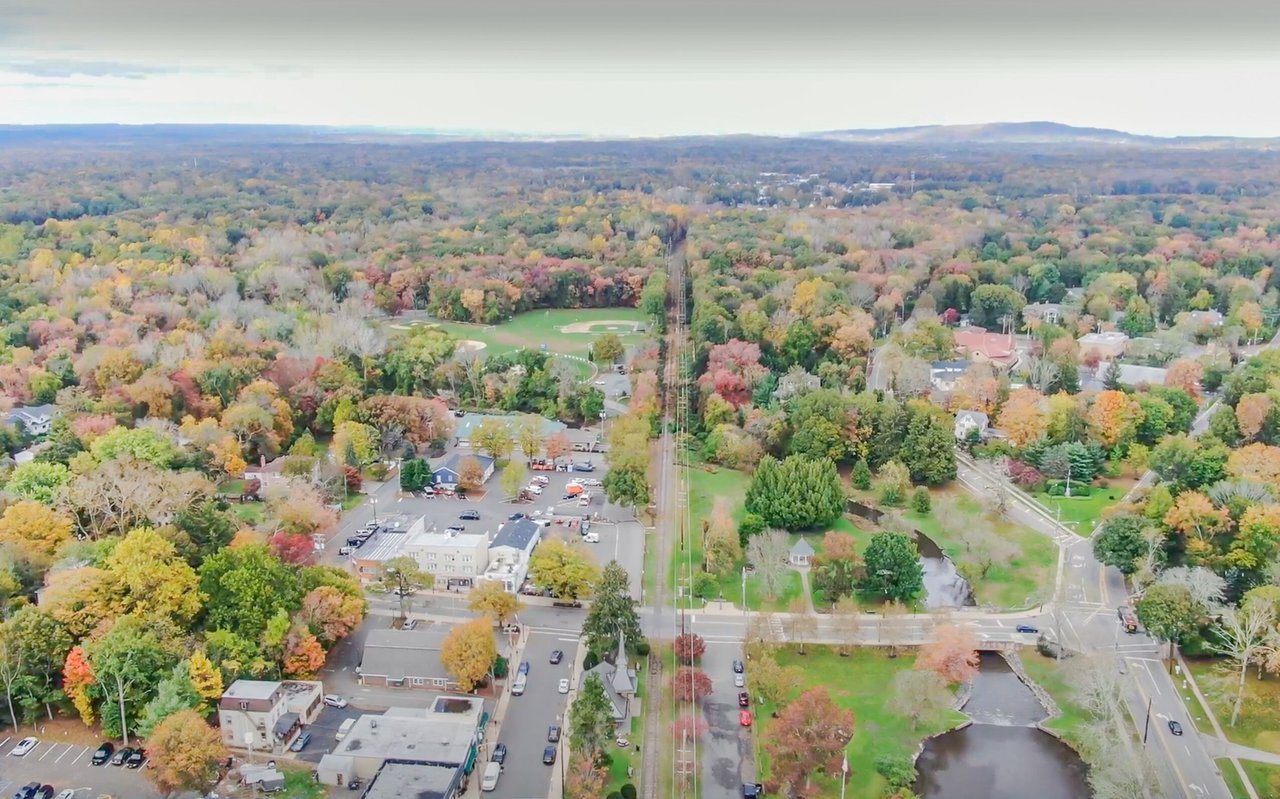
Norwood is only 2.79 square miles, with an estimated 5,854 residents as of July 1, 2024. Because it is a smaller borough with a limited number of transactions, the pool of truly comparable sales can be thin. That makes local comp selection especially important.
FHFA says appraisers generally use comparable properties that are most similar in legal and physical characteristics and, for most single-family loans, the appraisal file needs at least three settled comps. Fannie Mae also notes that when there are few truly similar sales, appraisers may use older or farther-away sales if they explain why and make appropriate time adjustments.
That matters in Norwood because not every nearby Bergen County sale is a true substitute for your home. A custom pricing approach should start with the closest and most similar Norwood sales, then carefully account for differences in condition, lot, layout, and timing. In a thin-comp market, precision matters.
Location inside Norwood still influences value
Even within a small town, location shapes buyer perception and pricing. Appraisals consider external factors like location and market trends, and buyers often weigh convenience, setting, and overall feel when comparing homes.
Regional district materials describe the area as being among reservoirs and park-like settings, with access to New York City and major transportation routes. Bergen County also notes broad transportation infrastructure across the region, including train lines, bus routes, ferry access, and major bridge connections. For many buyers, commute convenience and the home’s street setting become part of the value equation.
Within Norwood, value can shift based on where a home sits, how the lot lives, and how buyers perceive access and convenience. That does not make one area universally better than another. It simply means location details often help explain why similar homes do not always sell for similar prices.
Property taxes are part of the value conversation
In Norwood and across New Jersey, taxes matter. New Jersey explains that property taxes are driven by local budgets and assessed value, and a home’s tax bill is calculated by multiplying the town’s general tax rate by the property’s assessed value.
For buyers comparing homes across Northern Valley towns, taxes can affect affordability just as much as price. For sellers, that means your home is not judged in isolation. Buyers are often weighing the total monthly cost, including taxes, when they decide how far they are willing to go.
Norwood’s 2025 average tax bill was $16,196. That does not tell you what a specific home’s taxes will mean to every buyer, but it does show why tax burden is a practical part of pricing and positioning.
Online estimates are only the first step
Automated estimates can be helpful for a quick snapshot, but they cannot fully account for your home’s presentation, floor plan, renovation quality, lot utility, or the nuances of a small-town comp set. In a place like Norwood, those details can move value by hundreds of thousands of dollars.
If you rely only on an online number, you may miss what buyers and appraisers will actually compare your home against. That can lead to pricing too high and losing momentum, or pricing too low and leaving value on the table.
A more useful approach is to treat online estimates as a starting point. From there, the real work is comparing your property to the most relevant recent Norwood sales and reviewing the home through an appraisal-minded lens.
What sellers should focus on now
If you are preparing to sell in Norwood, focus on the factors you can control. Buyers respond to homes that feel well maintained, clearly priced, and thoughtfully presented.
A strong seller strategy often includes:
- Reviewing the most similar recent sales and the current Norwood homes for sale
- Looking closely at your home’s condition and visible updates
- Considering lot appeal, street setting, and exterior presentation
- Understanding how taxes may affect buyer comparisons
- Pricing with current market conditions in mind, not just peak-price hopes
In a market where homes can move quickly, the right launch matters. Realtor.com reported an average of 15 days on market, which suggests buyers are acting fast when a home feels well matched to its price and competition.
Why local guidance makes a difference
In a market as specific as Norwood, strategy matters. Small inventory, a limited comp pool, and wide variation between homes make pricing more nuanced than many sellers expect.
That is where hyperlocal experience becomes valuable. A careful pricing review should not just ask, “What is my home worth?” It should ask, “Which buyers will compare my home to which recent sales, and why?” That is the kind of question that leads to better preparation, smarter positioning, and stronger results.
If you want a truly accurate picture of what your home is worth today, a generic estimate just isn't going to cut it. Let’s bypass the automated guesswork and look at the actual data together. If you're curious about your home's value, or just want to chat about the Norwood market and your next steps, feel free to reach out. I’m always here to help you navigate it with confidence connect with Lana Henriques.
FAQs
What affects Norwood home value the most right now?
- The biggest factors are usually condition, visible updates, size, lot utility, street setting, taxes, and the closest recent comparable sales in Norwood.
How accurate are online home value estimates for Norwood homes?
- Online estimates can be useful as a starting point, but they may miss important details like renovation level, layout, lot appeal, and the limited number of truly comparable local sales.
Why do similar Norwood homes sometimes sell for very different prices?
- Price gaps often come from differences in square footage, condition, presentation, lot size, features, and how closely each home matches the most relevant recent comps.
How do property taxes affect Norwood home value?
- Taxes influence affordability, so buyers often compare total monthly cost, not just purchase price, when deciding how much they are willing to pay.
Why is local pricing strategy important in Norwood, NJ?
- Norwood is a smaller borough with a modest number of sales, so pricing works best when it is based on the closest and most similar local comps rather than broad county averages.
Where this fits on the map
Value in Norwood is set street by street, not by a townwide average — which is the whole point of my Norwood neighborhood guide. It also helps to know what your buyer is comparing you to: usually Harrington Park, Northvale, Old Tappan or Closter. My Bergen County guide lines them up. When you want the number for your own house, start on my home valuation page.