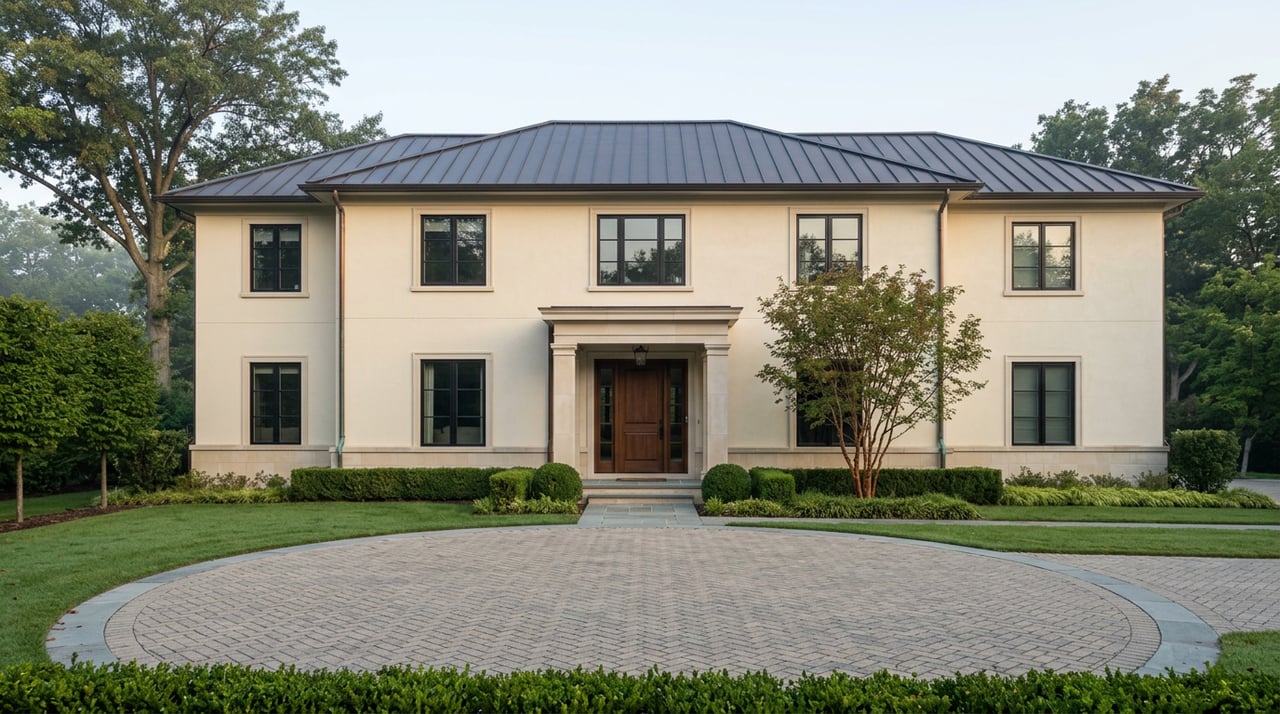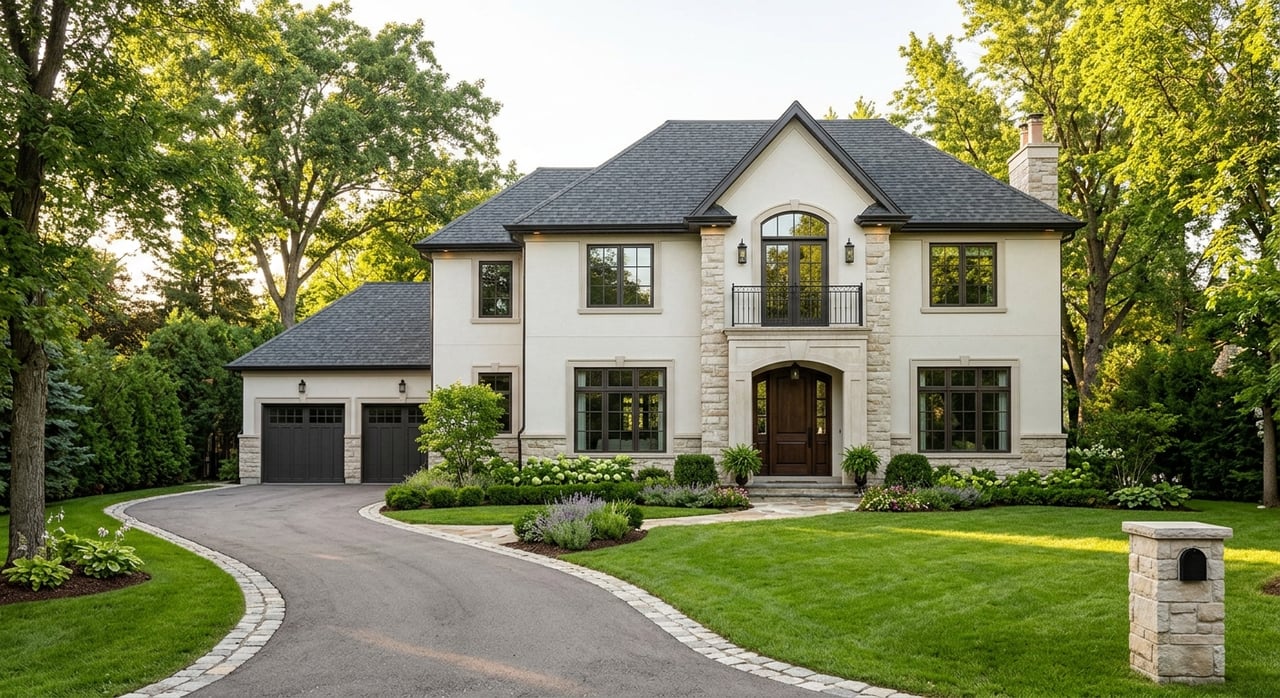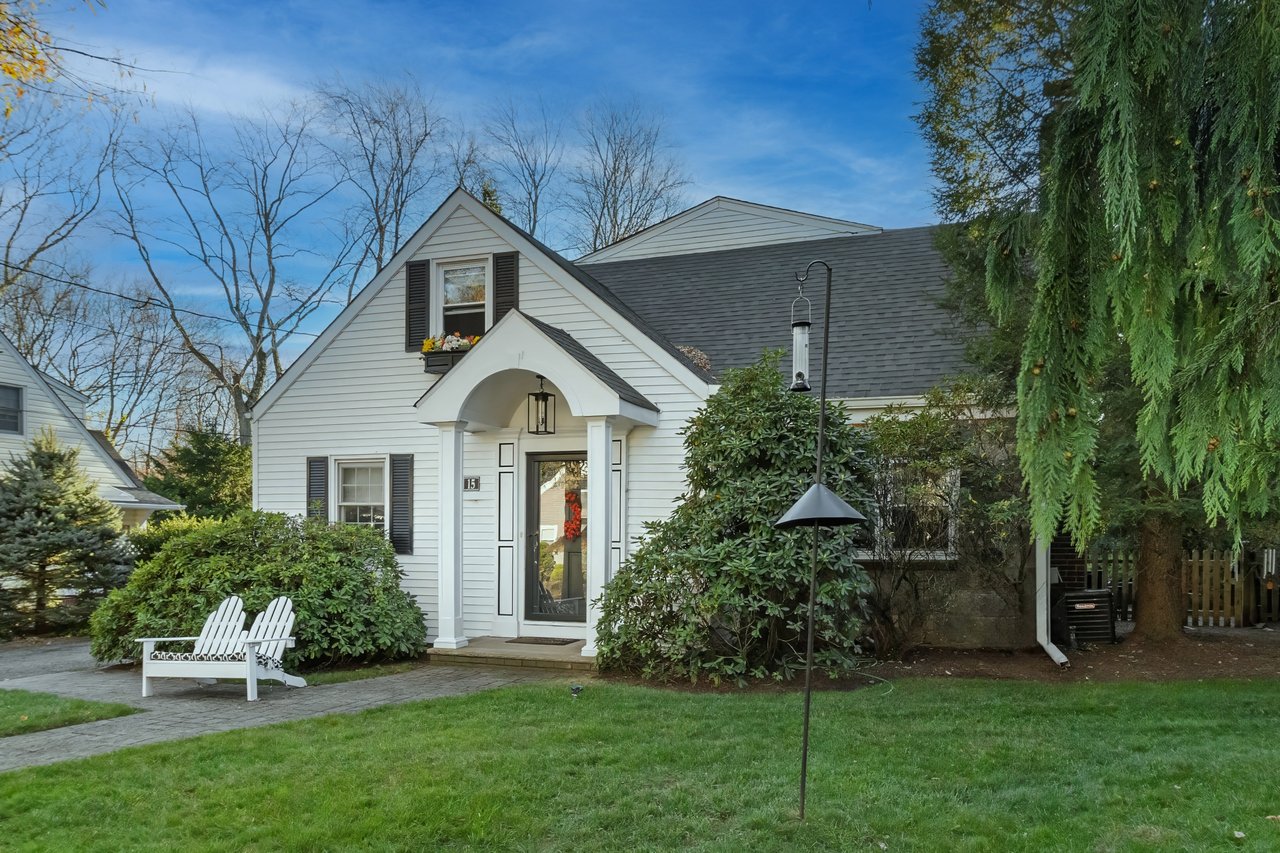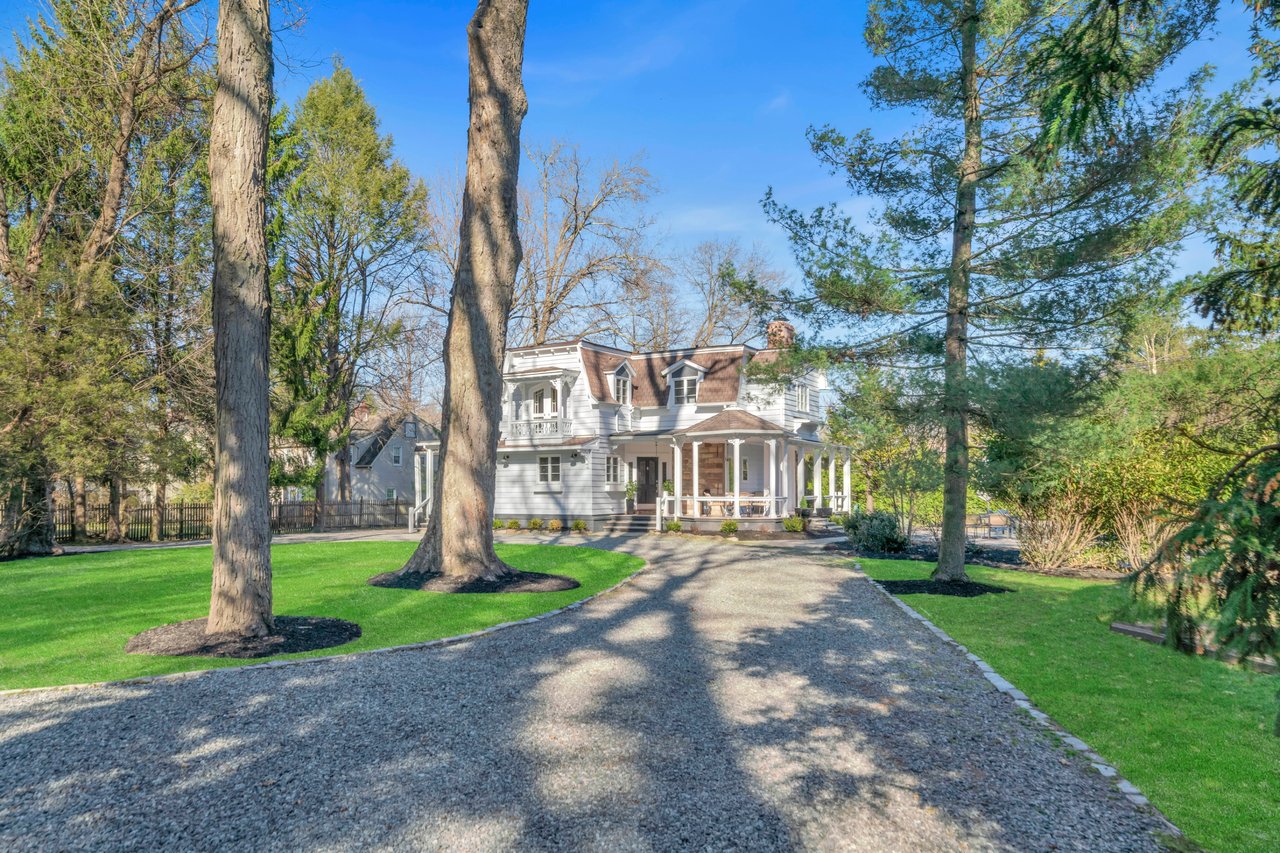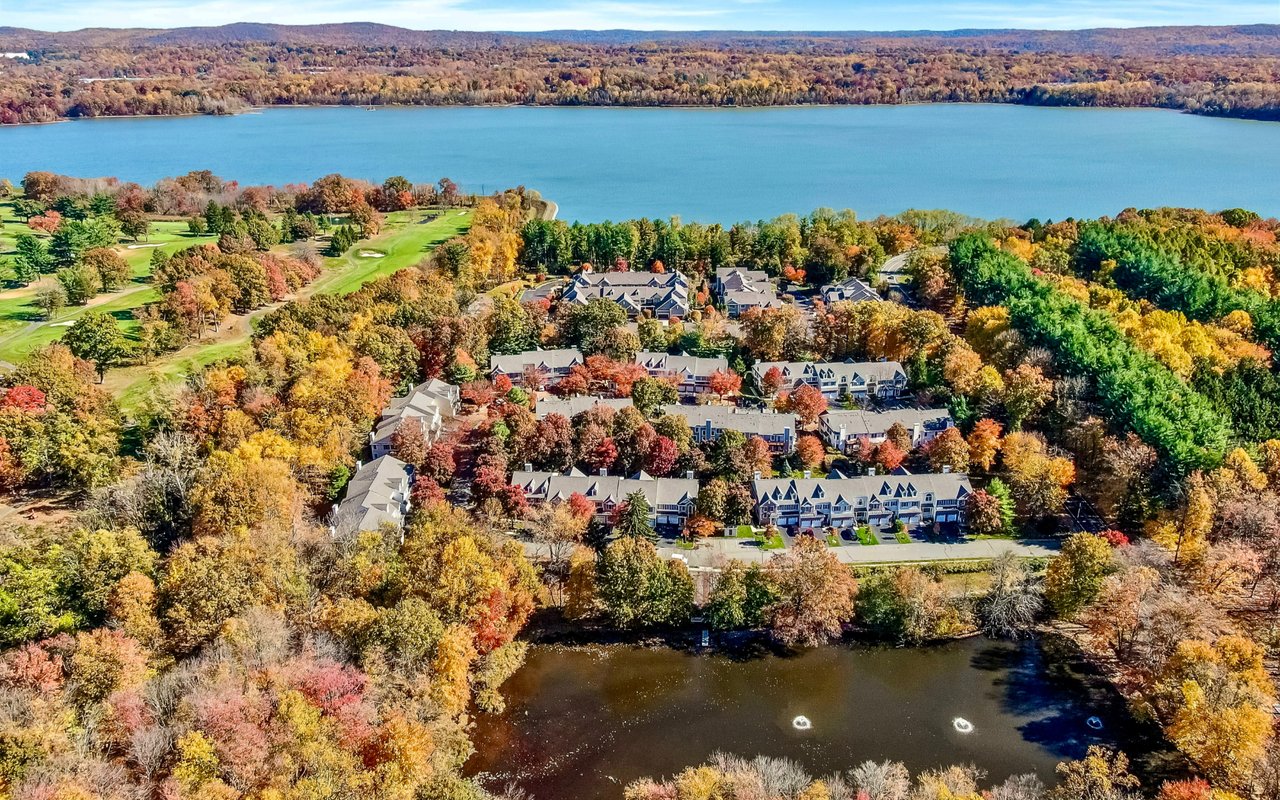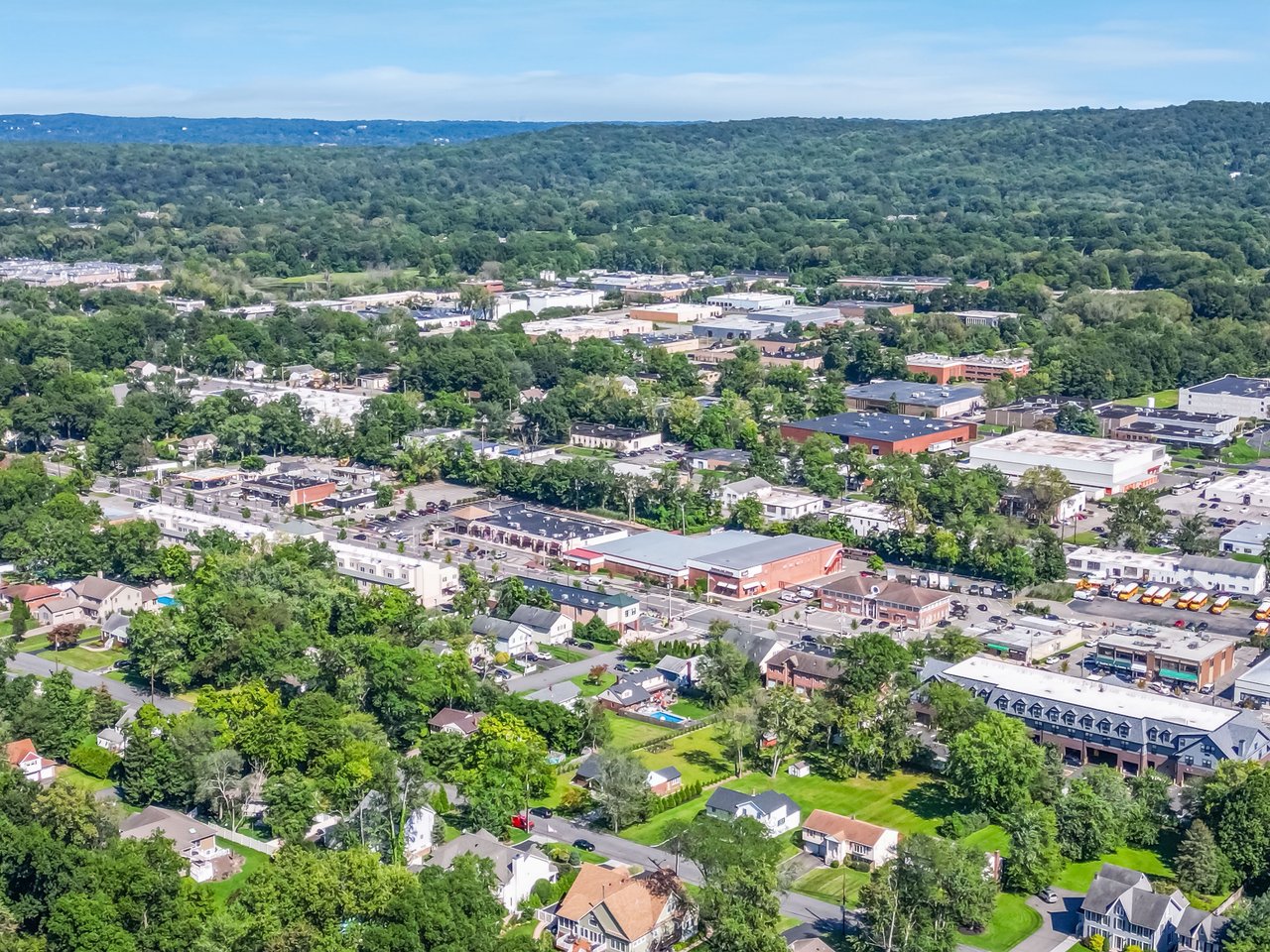
Thinking about trading your NYC routine for more space in Bergen County? It is a move many buyers consider, but the right plan depends on more than finding a nice house. You need to weigh commute options, monthly costs, and how each town actually feels day to day. This guide will help you think through the move with more clarity and confidence. Let’s dive in.
Why Bergen County Draws NYC Buyers
Bergen County offers a different pace while still keeping you connected to the city and nearby job centers. The county’s estimated 2024 population is 978,641, and its owner-occupied housing rate is 65.3%, which reflects a market with a strong homeownership base.
For many NYC buyers, the appeal is simple: more space, a wider range of home styles, and access to distinct suburban communities. At the same time, Bergen County is not a one-note market. Your experience can vary a lot depending on the town, your exact address, and how you plan to commute.
It also helps to go in with realistic numbers. Census data puts the county’s median owner-occupied home value at $623,000, and median monthly owner costs with a mortgage at $3,470. That is why planning your move means looking beyond the purchase price alone.
Start With Your Real Monthly Budget
One of the biggest mistakes buyers make is comparing towns only by list price. In Bergen County, your true monthly cost can look very different once you factor in property taxes, transportation, parking, tolls, gas, and other ownership expenses.
A smart way to budget is to break your costs into three buckets:
- Upfront purchase cash for your down payment and closing costs
- Ongoing ownership costs like mortgage, property taxes, insurance, and maintenance
- Commute-related costs such as train or bus passes, tolls, parking, gas, and vehicle wear
Closing costs also deserve special attention. Consumer guidance in the research report notes that closing costs typically run about 2% to 5% of the purchase price, not including your down payment. You should also leave room for moving expenses, furniture, repairs, and a cash cushion after closing.
Property taxes are another key part of the Bergen County picture. In New Jersey, property tax is assessed annually by the local assessor and submitted to the county board of taxation, so it should be treated as an ongoing carrying cost, not just a line item you glance at before closing.
Compare Bergen County Towns Carefully
If you are moving from NYC, it can be tempting to shop by reputation or by a friend’s recommendation. A better approach is to compare towns based on your own priorities, including budget, commute pattern, home style, and the kind of local setting you want.
Norwood at a glance
Norwood had an estimated 2024 population of 5,854, an owner-occupied housing rate of 79.2%, and a median owner-occupied home value of $709,100. Based on the town information in the research report, Norwood stands out for its local recreation, library programming, volunteer fire department, annual community events, and more than 100 acres of preserved open space.
If you want a smaller borough feel with visible community programming, Norwood may be worth a close look. It can appeal to buyers who want a local, established setting rather than a more spread-out feel.
Demarest at a glance
Demarest is described by the borough historian as a residential community with more than 1,800 homes and about 4,800 people. The same source points to local anchors like the public library association, volunteer fire and ambulance service, and the Duck Pond.
For buyers, Demarest can read as compact and residential in tone. The borough school page also lists a clearly structured local school setup, but as with any town, school assignments should be verified by exact address before you make an offer.
Old Tappan at a glance
Old Tappan had an estimated 2024 population of 6,342 and a median owner-occupied home value of $951,300. Among the four towns highlighted in the research report, it currently sits at the highest end of the price range based on Census home-value data.
The borough’s official information highlights schools, recreation, a public library, community organizations, and a long municipal history. If your budget allows for a higher price point and you want a traditional suburban borough profile, Old Tappan may enter the conversation early.
River Vale at a glance
River Vale had an estimated 2025 population of 10,555, an owner-occupied housing rate of 90.0%, and a median owner-occupied home value of $775,000. The township and district information in the research report point to a broad set of community features, including a farmers market, community and senior center, sports, playgroups, and a defined school structure.
River Vale may appeal if you want a town with a strong owner-occupied profile and a range of local programming. It is also one of the towns where day-to-day routines can feel different depending on which part of town you choose and how you commute.
Match the Town to Your Commute
A Bergen County commute is rarely as simple as picking a town and assuming the rest will work itself out. NJ Transit rail and bus options vary by line, route, and connection, and some routines depend on park-and-ride patterns or a mix of driving and transit.
According to the research report, Bergen County commuters may use NJ Transit rail service on the Main, Bergen County, or Port Jervis lines to reach Hoboken, Secaucus Junction, and New York. PATH connections are also available through Secaucus. NJ Transit bus service to Port Authority Bus Terminal includes routes such as 163, 164, 165P, and 177.
The key point is this: test the commute from the exact address, not just the town name. Two homes in the same municipality can create very different weekday routines depending on driving time to a station, parking availability, bus corridor access, and traffic patterns.
Why Weekend Previews Matter
Many buyers tour Bergen County once, love a house, and assume they understand the area. That can be a costly mistake. NJ Transit schedules differ on weekdays and weekends, and local parking, traffic, and activity levels can shift depending on when you visit.
Weekend previews can help you see what daily life actually feels like. You may notice road congestion, station parking realities, local activity patterns, or the rhythm of commercial areas in a way you would miss on a quick weekday showing.
If possible, preview the same area more than once. A Saturday morning visit, a weekday rush-hour drive, and a return trip around school pickup or evening commute hours can reveal details that shape your long-term satisfaction.
What to Verify Before You Offer
Relocation buyers often move quickly once they find the right home, but this is the stage where careful verification matters most. Bergen County towns vary in amenities, school structures, and community features, so broad assumptions can lead to surprises.
Before writing an offer, verify the details tied to the exact property address. That includes practical items like commute route, transportation access, parking routine, property tax impact, and any town-specific features you care about.
Use this checklist as a starting point:
- Confirm the most realistic weekday and weekend commute route
- Check whether your routine is rail, bus, car, or a park-and-ride mix
- Review the full monthly carrying cost, not just principal and interest
- Verify school assignments by exact address
- Confirm the local amenities and programs that matter to your household
- Leave room in your budget for closing costs, moving costs, and post-closing fixes
Common NYC-to-Bergen Mistakes to Avoid
The transition from city living to suburban ownership comes with a learning curve. A little planning up front can help you avoid the most common and most expensive errors.
Here are a few mistakes the research report makes clear you should avoid:
- Comparing homes by list price instead of total monthly cost
- Assuming every Bergen County town offers the same commute pattern
- Touring only once and missing weekend traffic or parking conditions
- Skipping address-level verification for schools and amenities
- Underestimating closing costs, moving expenses, and early repair needs
There is also one more budgeting point worth noting. The research report states that the moving-expense deduction is generally eliminated for most taxpayers and remains available only in limited military situations, so most buyers should not expect a federal moving deduction to offset relocation costs.
Build a Move Plan That Fits You
The best Bergen County move is not about chasing the most talked-about town. It is about finding the right balance of budget, commute, and daily lifestyle for your household.
That balance may point you toward Norwood for its small-borough feel, Demarest for its compact residential character, Old Tappan for a higher-end price point and traditional suburban structure, or River Vale for its strong owner-occupied profile and broad community programming. The right answer depends on how you live, not just where other people tell you to look.
If you are planning your move from NYC to Bergen County, having a local guide can make the process feel far more manageable. For personalized relocation support, town-by-town insight, and hands-on guidance from search through closing, contact Lana Henriques.
FAQs
What should you budget for when moving from NYC to Bergen County?
- You should budget for three buckets: upfront purchase cash, ongoing ownership costs, and commute-related costs. That means down payment, closing costs, property taxes, monthly housing costs, and transportation expenses all need to be part of the plan.
Which Bergen County town is the most expensive among Norwood, Demarest, Old Tappan, and River Vale?
- Based on the research report’s current Census home-value data, Old Tappan is the highest-priced of the four highlighted towns, with a median owner-occupied home value of $951,300.
How should you test a Bergen County commute before buying?
- You should test the commute from the exact property address, not just the town. Try the route on different days and times so you can evaluate traffic, parking, and how your rail or bus routine would actually work.
Why is weekend touring important when relocating to Bergen County?
- Weekend touring helps you see parking, traffic, transit differences, and local activity patterns that may not show up during a single weekday showing. It gives you a more realistic view of daily life.
What should you verify by address before making an offer in Bergen County?
- You should verify school assignments, commute options, parking routine, local amenities, and the full monthly carrying cost tied to that property. Address-specific details can vary even within the same town.
Start here: every town, in one place
The hardest part of moving out of the city is not the logistics, it is narrowing the map. My Bergen County neighborhood guide is the hub — it links to a full guide for every town I cover: Harrington Park (currently ranked the #1 suburb to live in New Jersey by Niche), Closter, Demarest, Cresskill, Norwood, Northvale, Old Tappan, River Vale, Alpine and Dumont. Tell me your commute, your budget and your must-haves and I will tell you which three to see first. If you own in the city or the suburbs already, my home valuation page is a good first step.