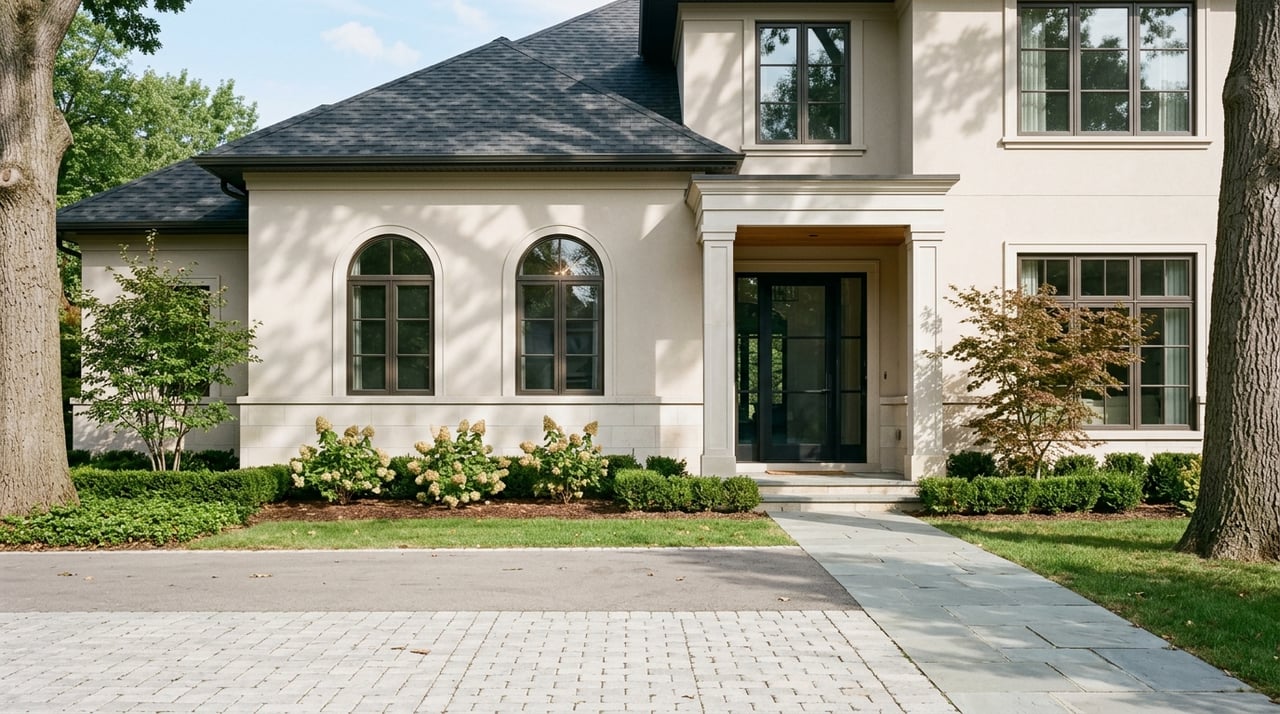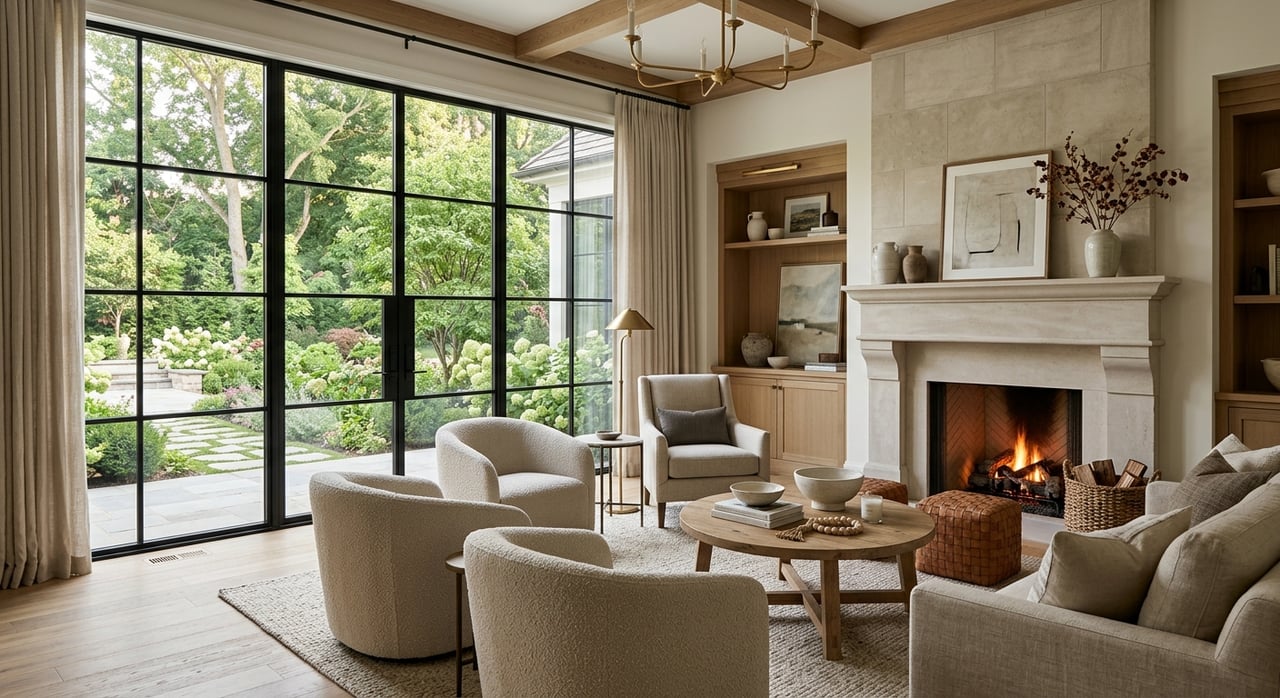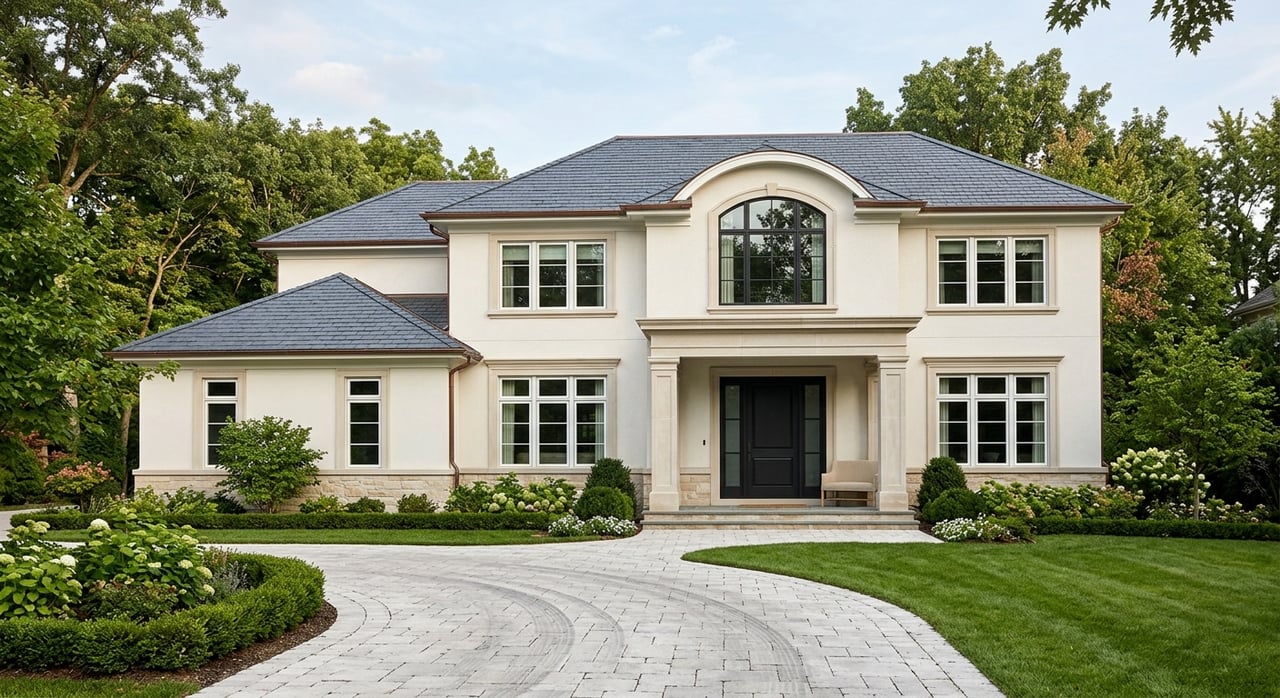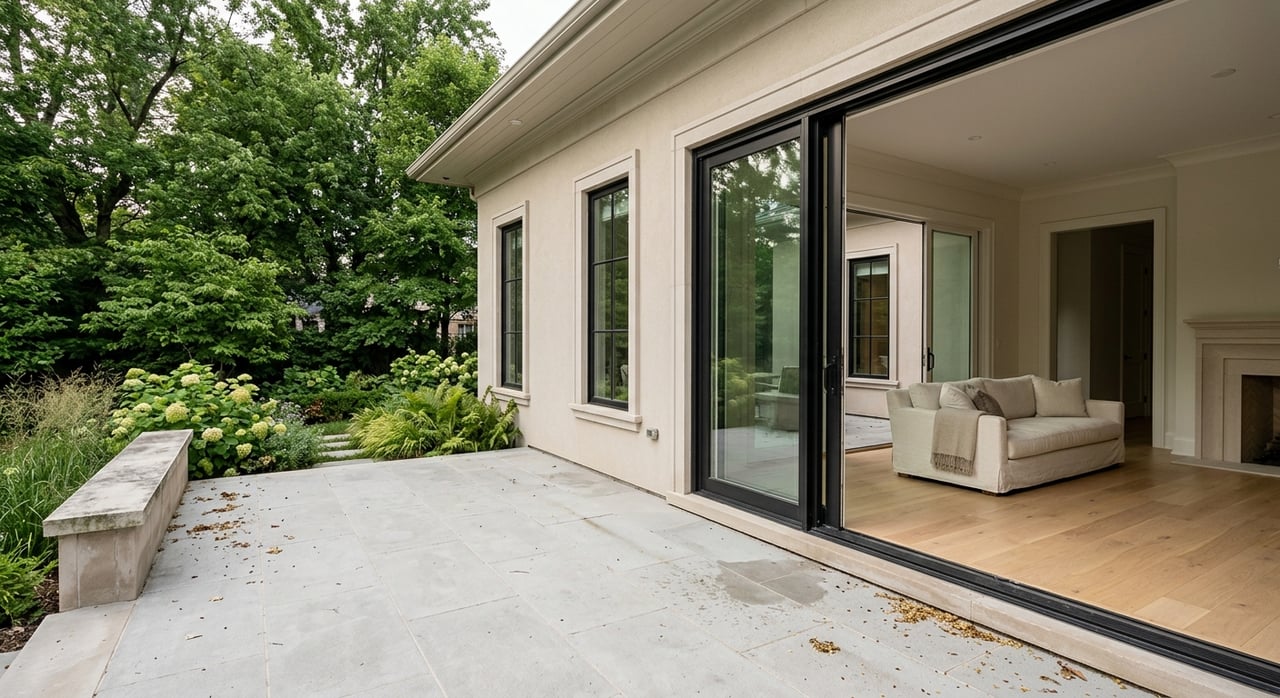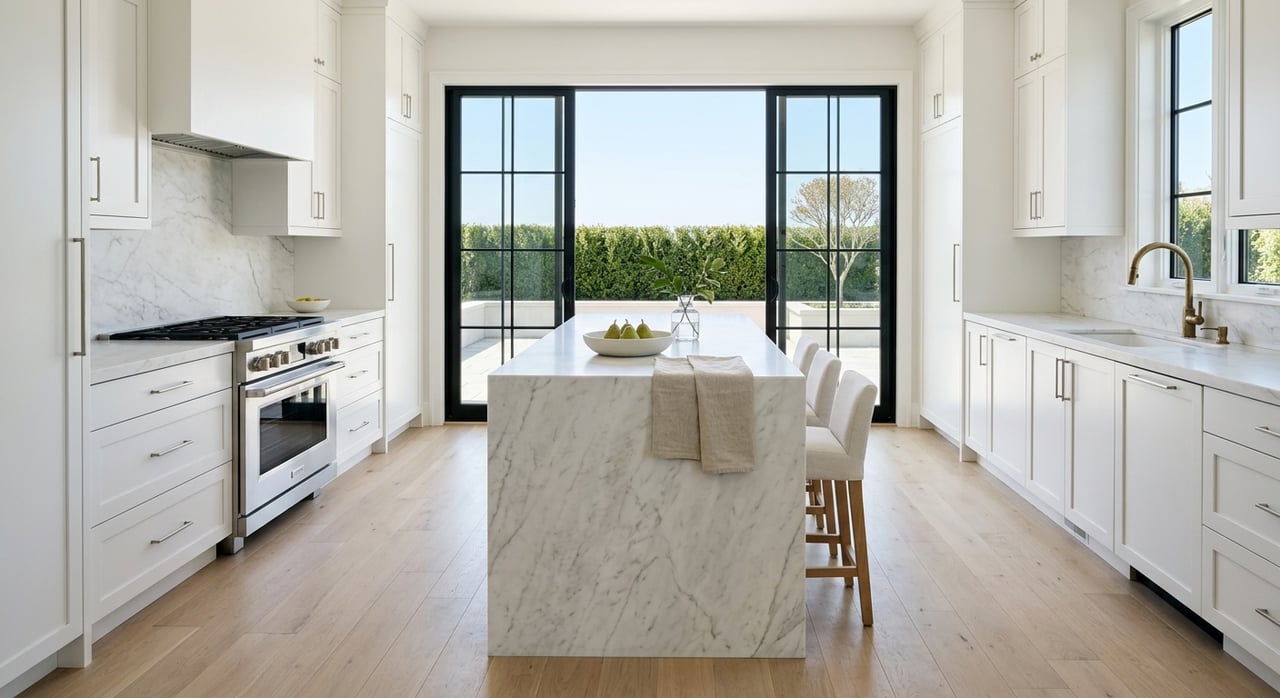
Selling an estate in Alpine requires an approach as unique as the enclave itself. This is a high-value, low-volume market where success is built entirely on precise positioning, flawless presentation, and a seamless execution from day one. To attract serious buyers and protect your investment, every detail must be intentional. Here is how to navigate the preparation phase with absolute confidence.
Why preparation matters in Alpine
Alpine stands apart even within Bergen County. Bergen County data show Alpine’s 2024 average residential sales price was about $3.91 million across just 12 sales, while countywide single-family homes through March 2026 had a median sales price of $823,900, 47 days on market, 102.2% of list price received, and 1.7 months of inventory.
That kind of pricing gap tells you something important. In a market like Alpine, buyers expect a polished presentation, strong property information, and pricing that reflects both the home and the current market. When inventory is limited and values are high, small missteps can have an outsized effect.
Start with a seller strategy
Before a single camera angle is chosen or a repair is scheduled, a definitive strategy must be established. True luxury representation isn't about managing a transaction; it is about anticipating every variable—aligning your timeline, maximizing property value, and structuring a launch that respects your privacy.
Define your timing and goals
Ask yourself what matters most in your sale. You may want to maximize price, minimize disruption, preserve privacy, or coordinate a move tied to another purchase or relocation.
Your priorities affect every next step. They can shape when you list, how much prep work makes sense, and whether a broad public launch or a more private approach fits best.
Price with precision
Luxury pricing is rarely about broad averages alone. In Alpine, where transaction volume is low, pricing needs to reflect your property’s condition, features, buyer appeal, and current competition.
Overpricing can cause even a beautiful home to lose momentum. Thoughtful pricing helps create buyer confidence from the start and supports stronger interest when the home hits the market.
Handle issues before buyers find them
One of the smartest ways to prepare an estate for sale is to reduce unknowns. Buyers in the luxury market often move carefully, and anything that raises concern during due diligence can slow negotiations or affect value.
A pre-list inspection is not required, but it can be very worthwhile. It may uncover issues before buyers do, giving you time to decide what to repair, what to disclose, and how to present the home more confidently.
What a pre-list inspection may cover
A typical inspection commonly reviews:
- Structure
- Exterior
- Roof
- Plumbing
- Electrical
- Heating and cooling
- Interiors
- Ventilation or insulation
- Fireplaces
Depending on the property, additional testing may include mold, radon, lead paint, and asbestos. For larger or older homes, this upfront step can make your sale feel more organized and transparent.
Focus on repairs buyers notice
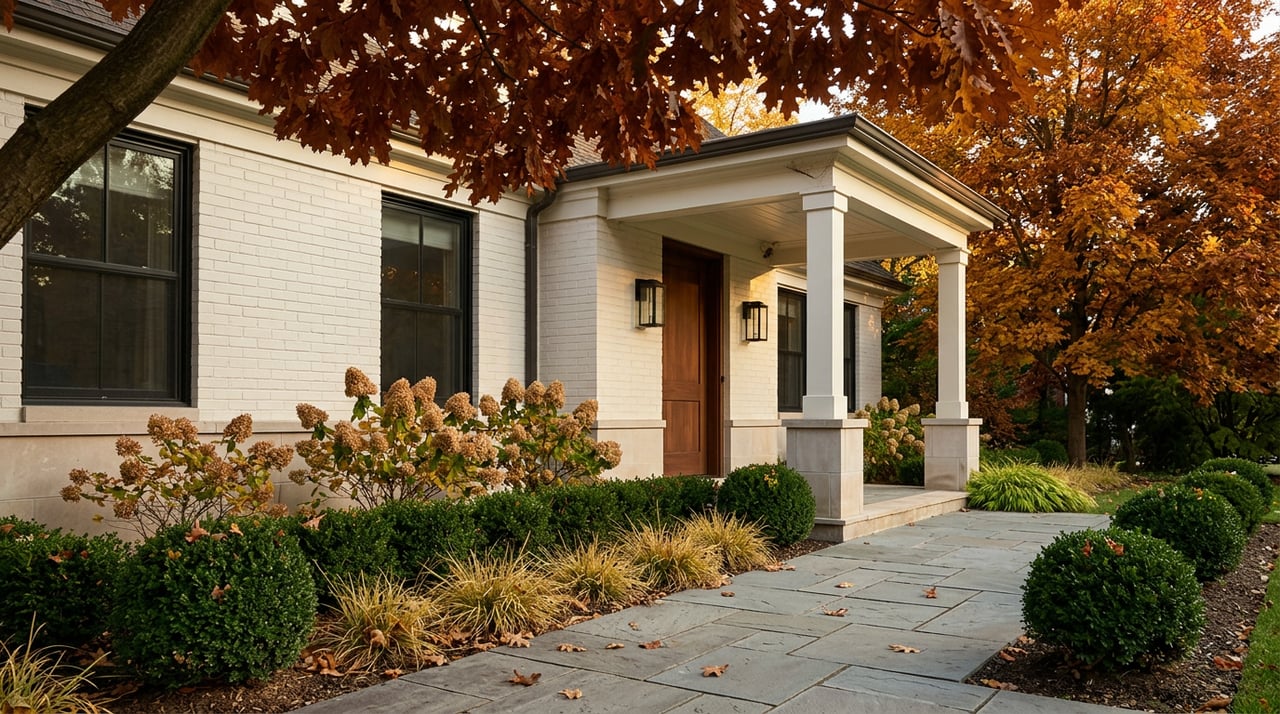
Not every improvement needs to be major. In many cases, the most important work is the visible, buyer-facing kind that affects first impressions and helps the home show as well cared for.
Key priorities often include:
- Full-home cleaning
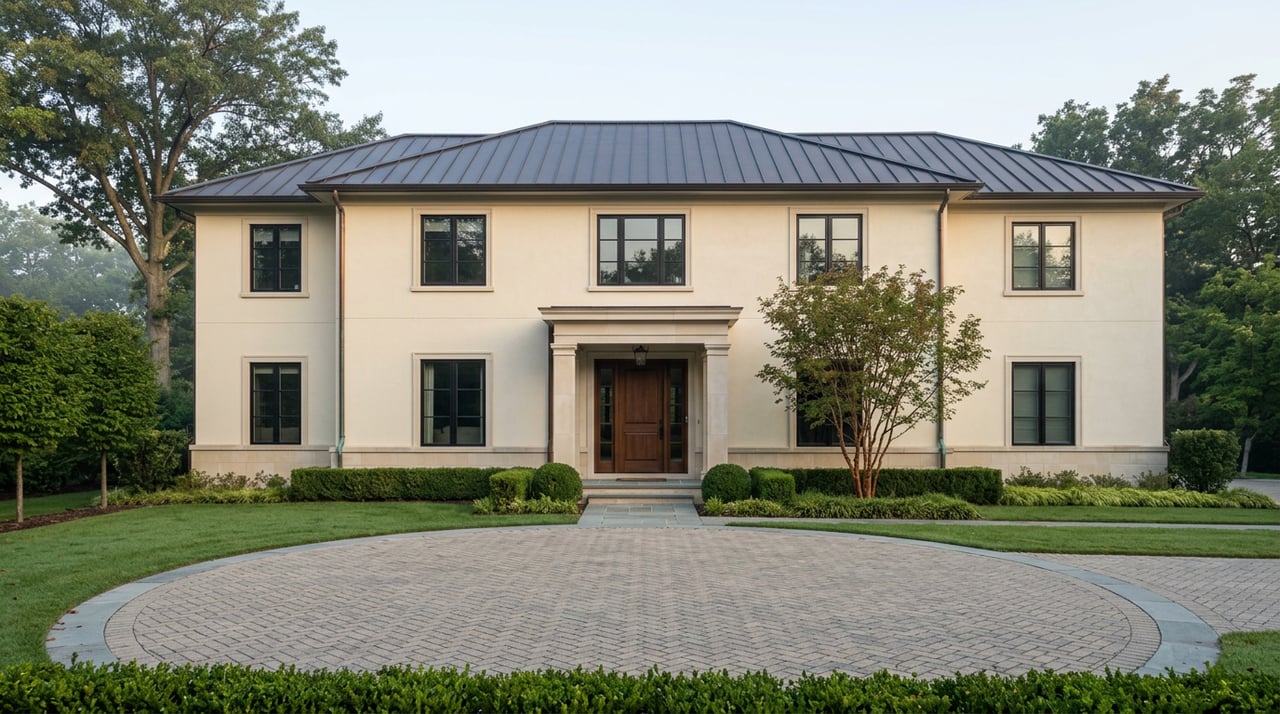
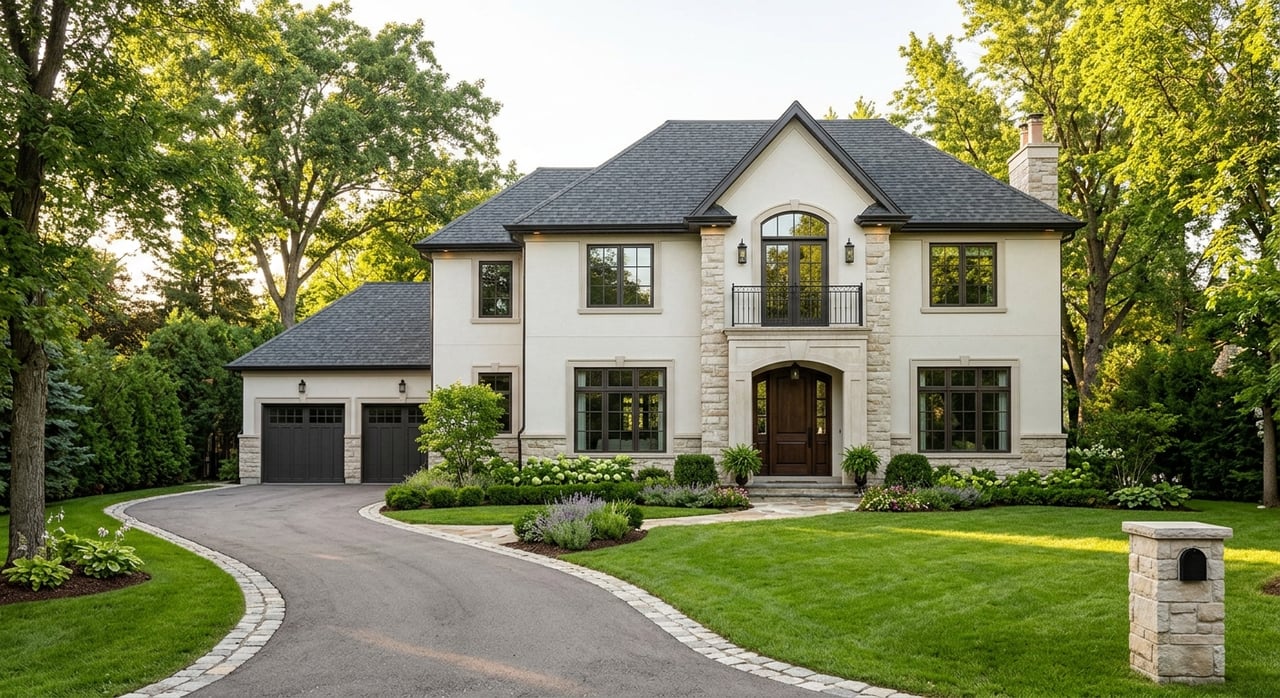
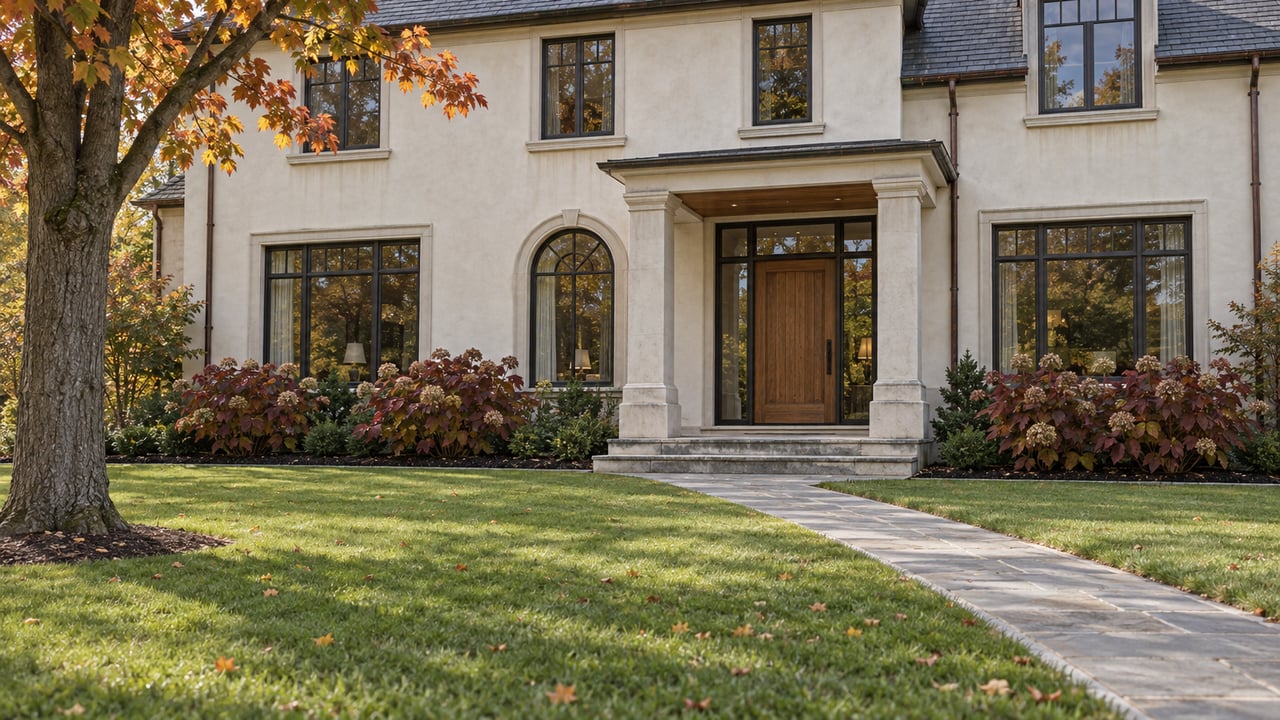
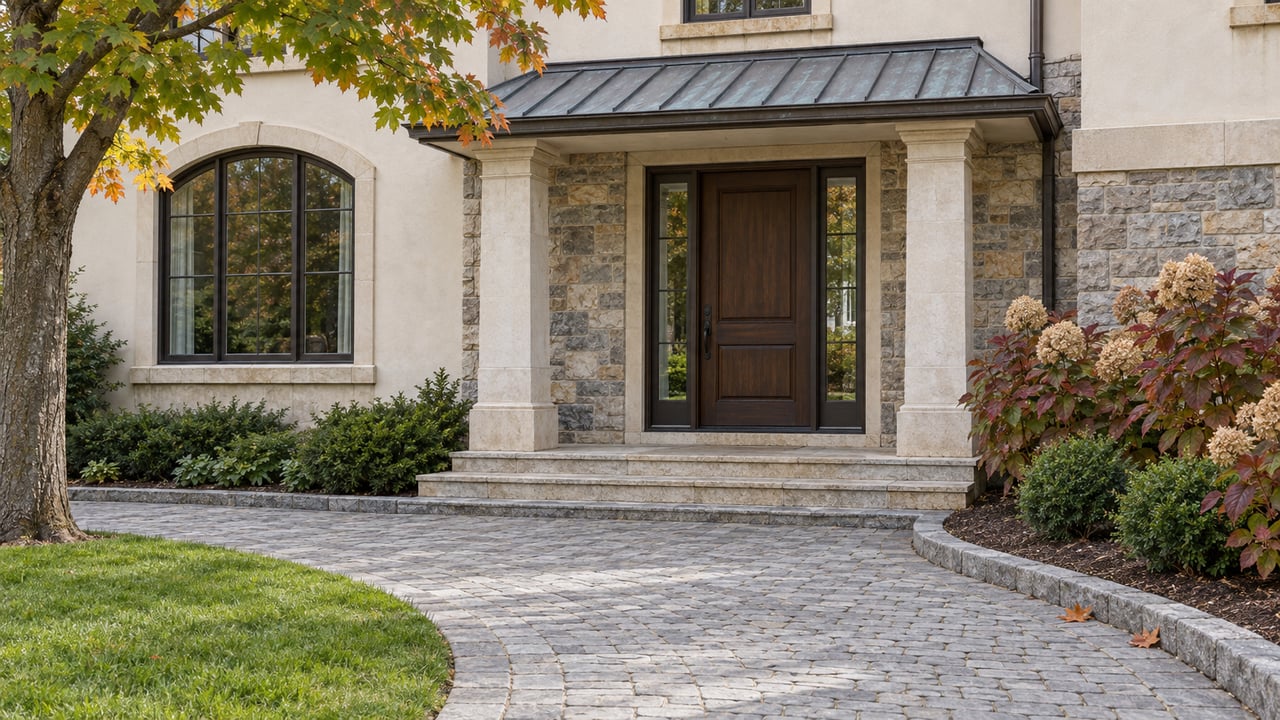
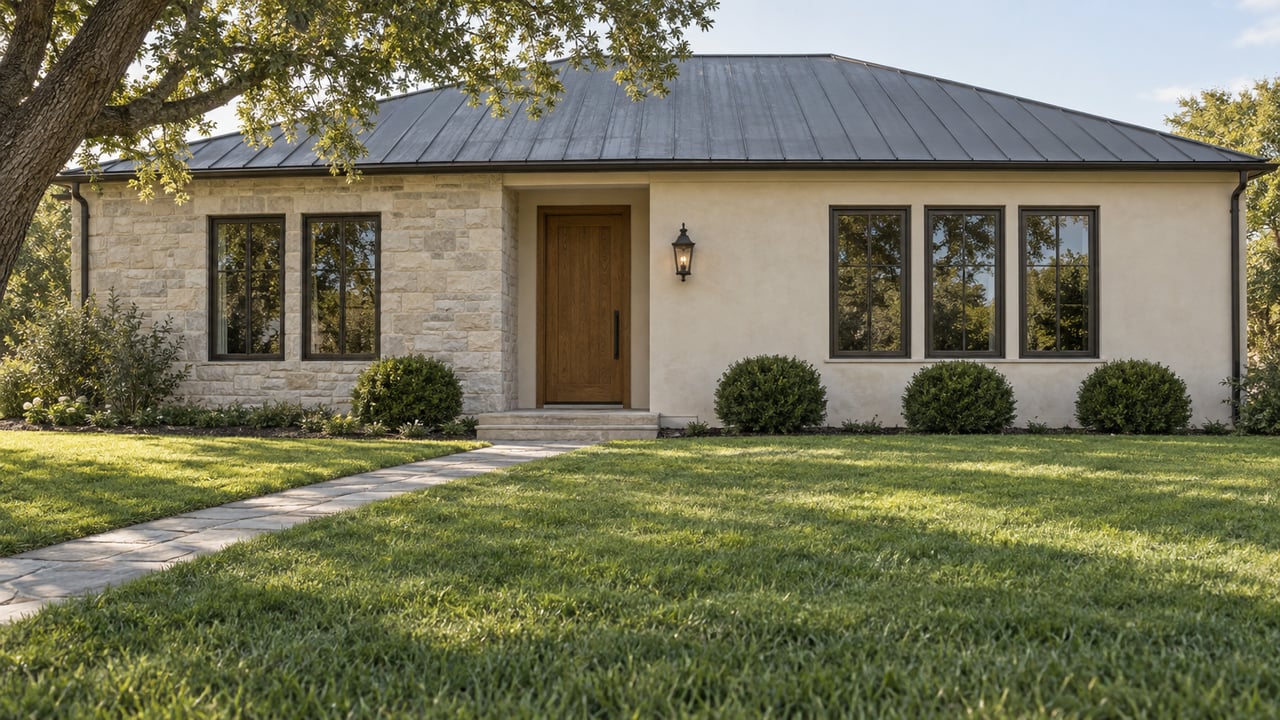
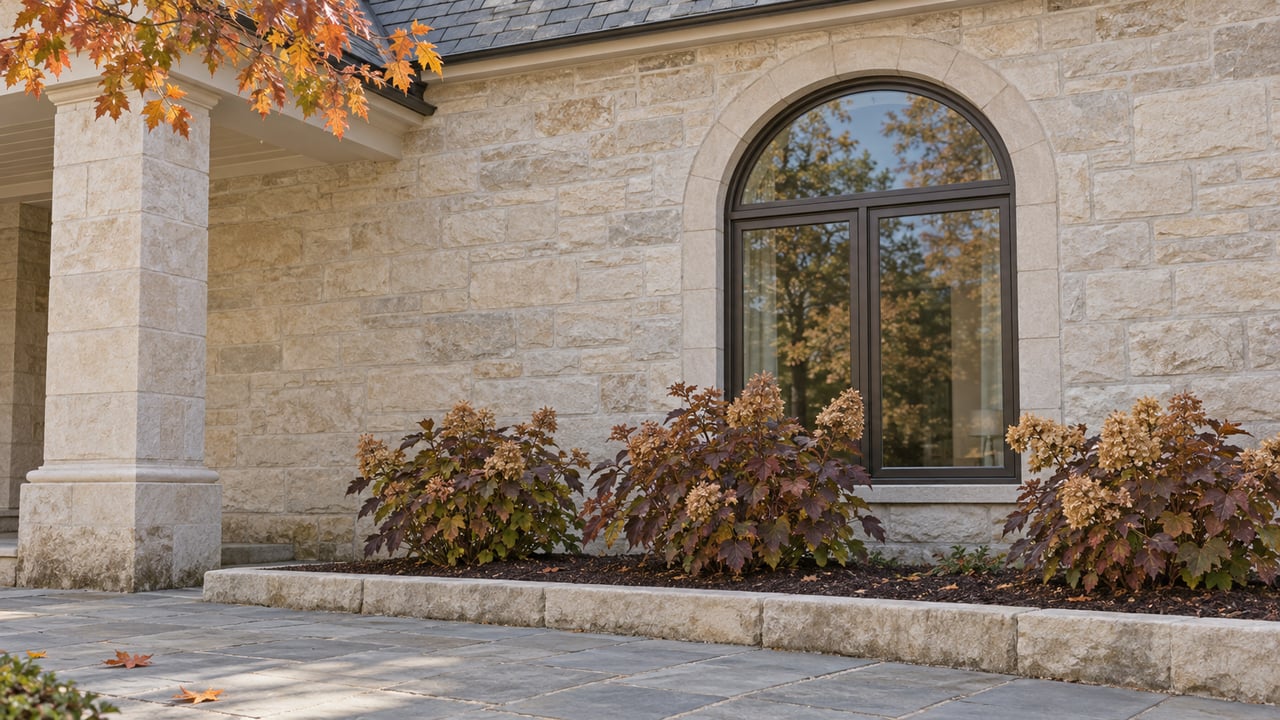
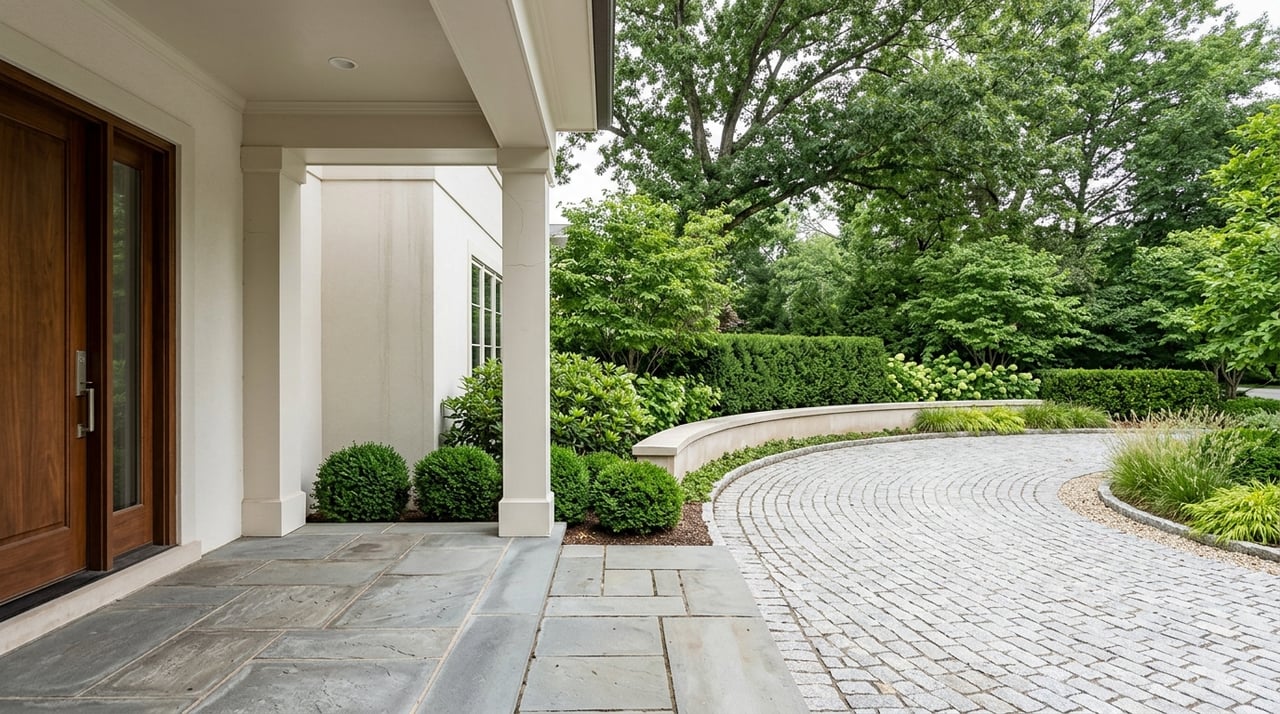
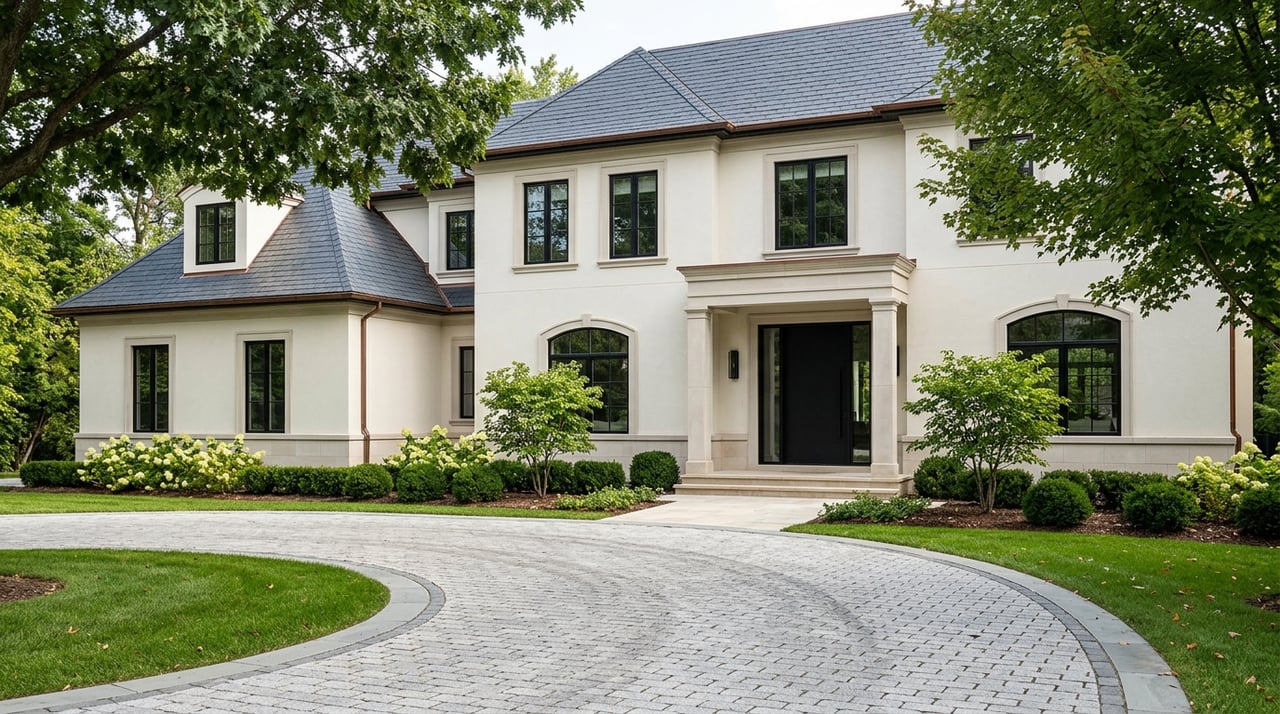
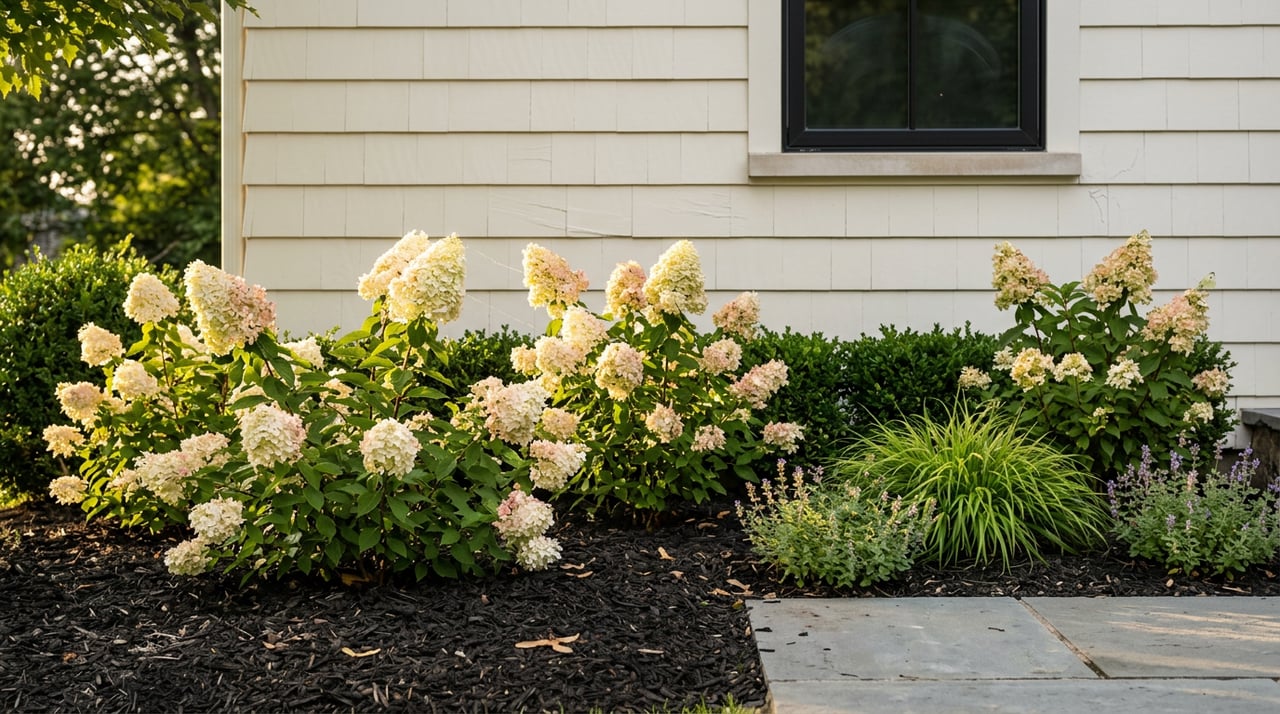
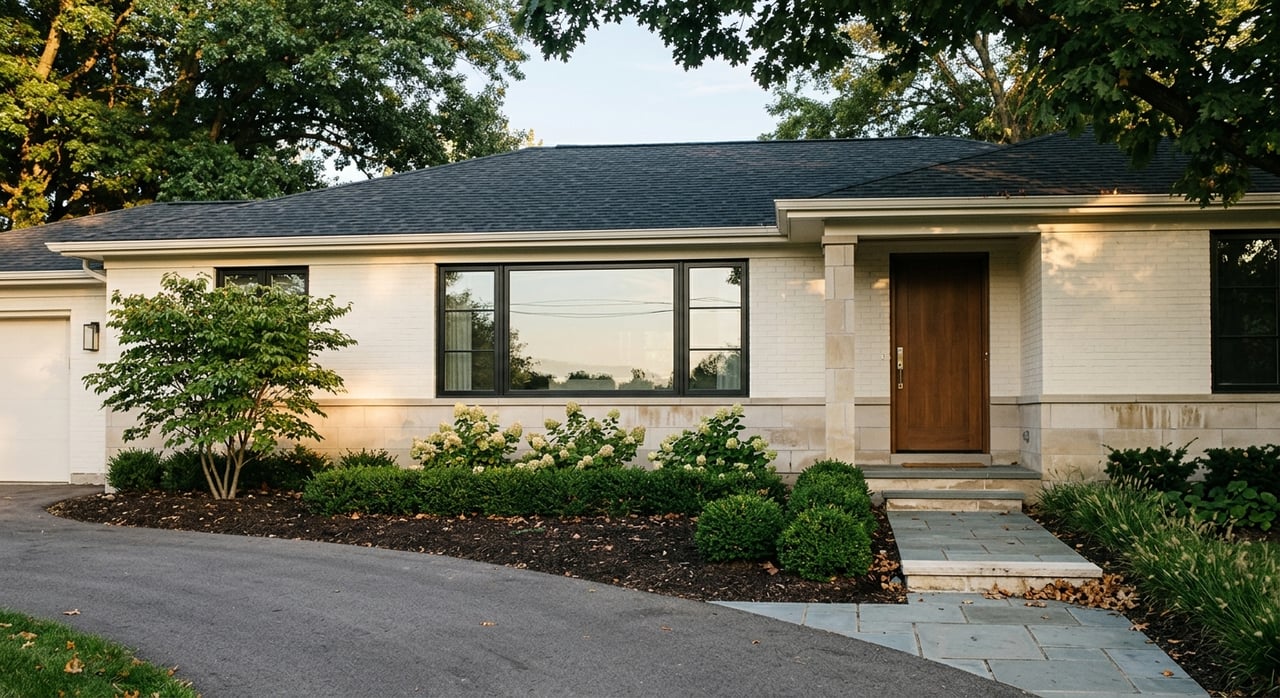
- Curb appeal improvements
- Paint touch-ups
- Minor repairs
- Carpet cleaning
- Tile re-grouting where needed
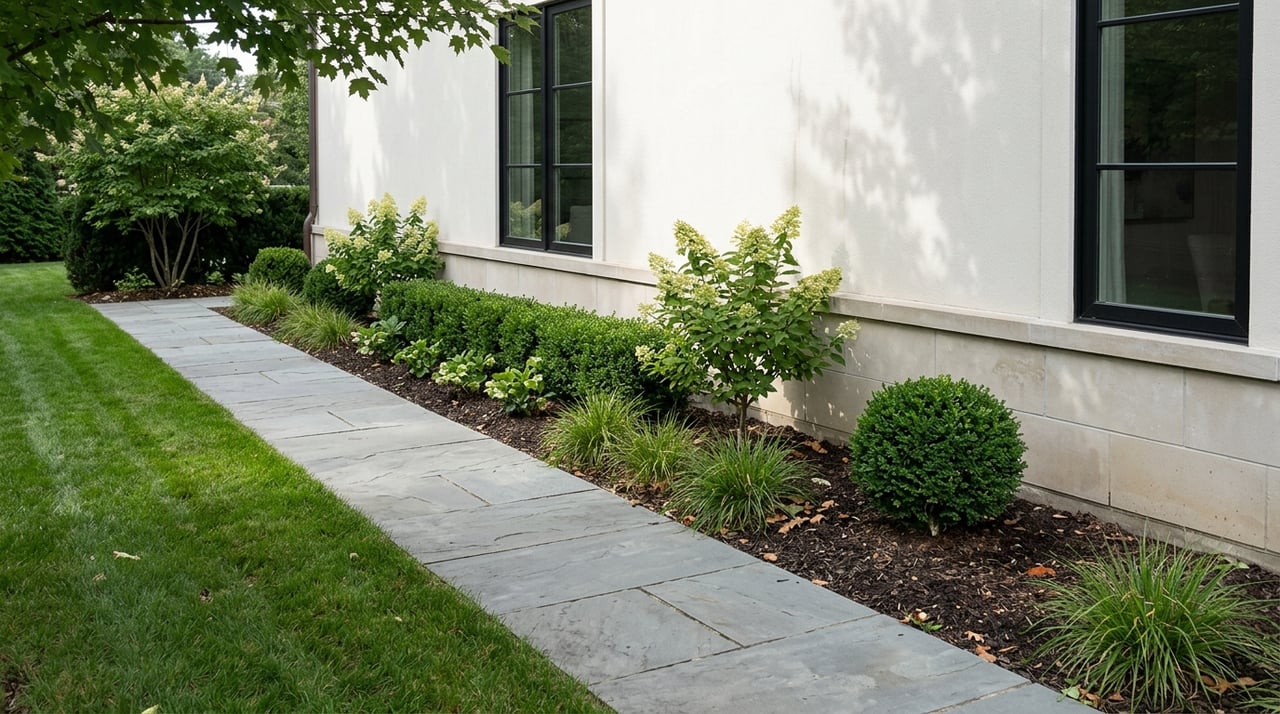
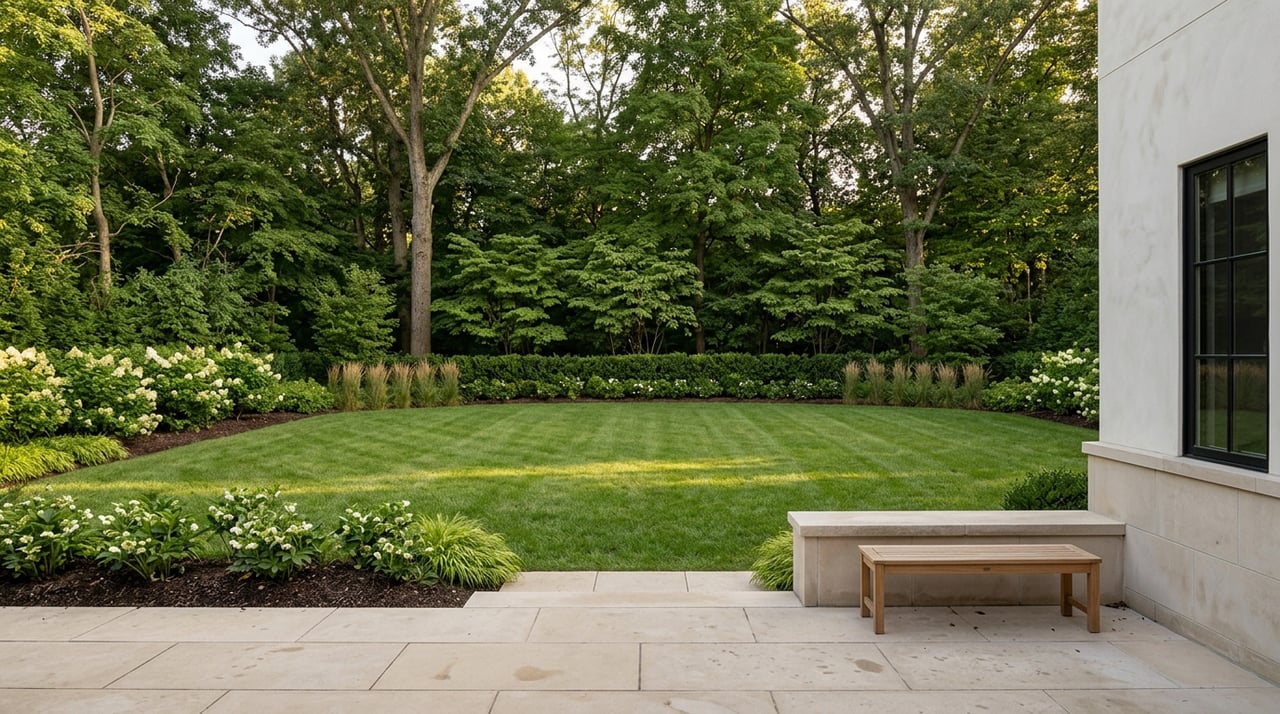
- Landscaping refreshes
- Front entrance updates
- Addressing any major-system issue likely to appear in an inspection
These are the items that can influence both in-person reactions and online presentation. Clean windows, lighting fixtures, walls, and floors also help the home photograph better.
Get disclosures right from the start
In New Jersey, disclosure is not an area to treat casually. The Seller’s Property Condition Disclosure Statement is a required form, and sellers must disclose known material defects even beyond what appears on the printed form.
The form is not a warranty, and buyers are still advised to inspect the property and surrounding area themselves. Still, complete and accurate disclosure helps reduce risk and creates a more trustworthy listing process.
Know New Jersey flood disclosure rules
New Jersey’s updated disclosure form, effective March 20, 2024, added flood-risk questions. These include whether the property is in a FEMA flood zone, whether flood insurance has been required, whether there have been flood claims, flood damage or seepage, and whether an elevation certificate exists.
The state also warns that standard homeowners insurance typically does not cover flood damage. If any of these issues apply to your property, they should be reviewed carefully before listing.
Do not overlook lead-based paint rules
If your home was built before 1978, federal law requires sellers and agents to disclose known lead-based paint or lead hazards before contract. If you complete renovation, repair, or painting work before listing, that work must follow trained, certified, lead-safe practices.
For older properties, this is an important part of responsible sale preparation. It is better to address it early than scramble later.
Make the home stand out visually
Presentation has a measurable effect on how buyers respond. According to NAR’s 2025 staging report, 83% of buyers’ agents said staging made it easier for buyers to visualize the property as a future home, about 30% reported a 1% to 10% value lift from staging, and about half reported faster sales.
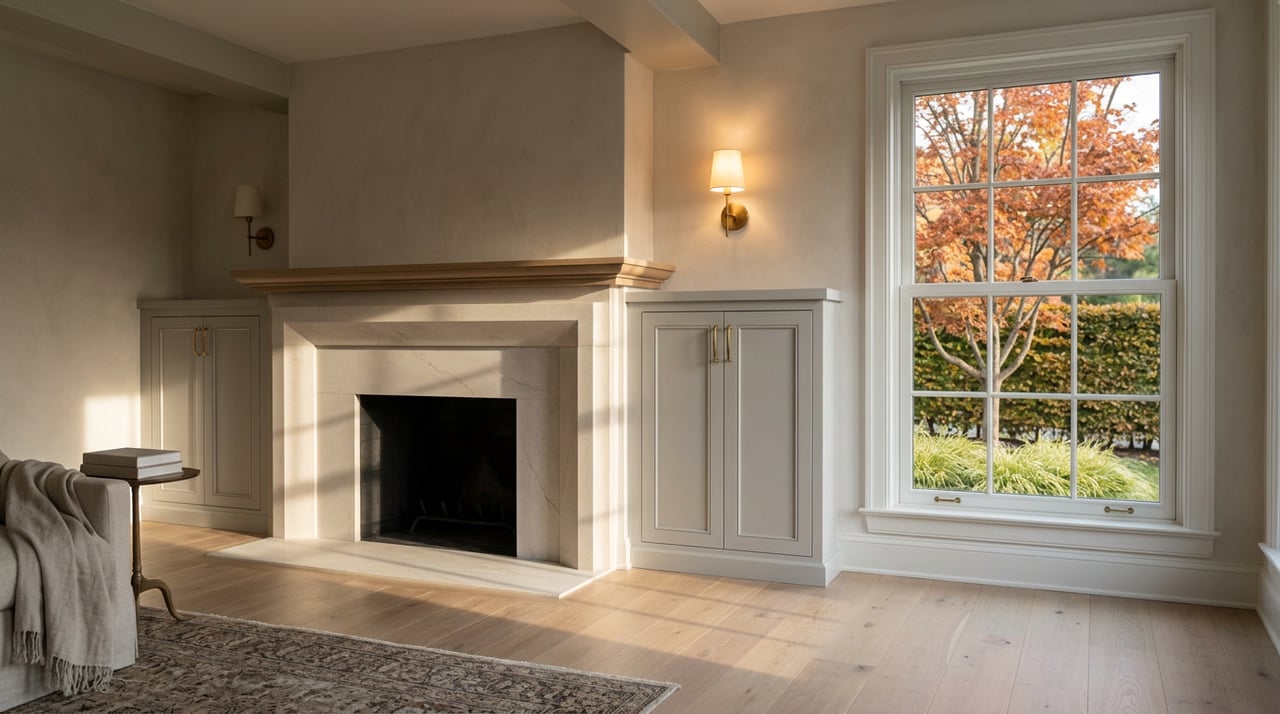
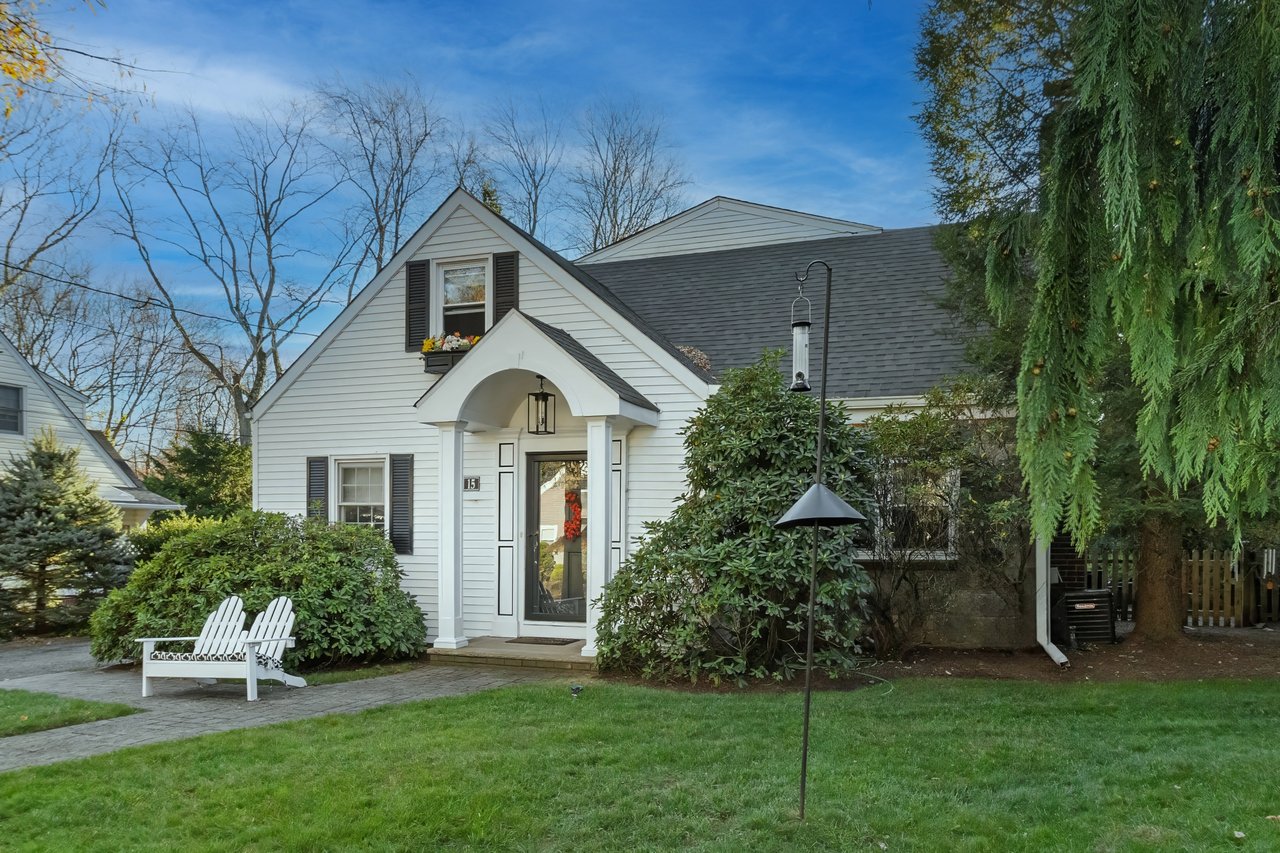
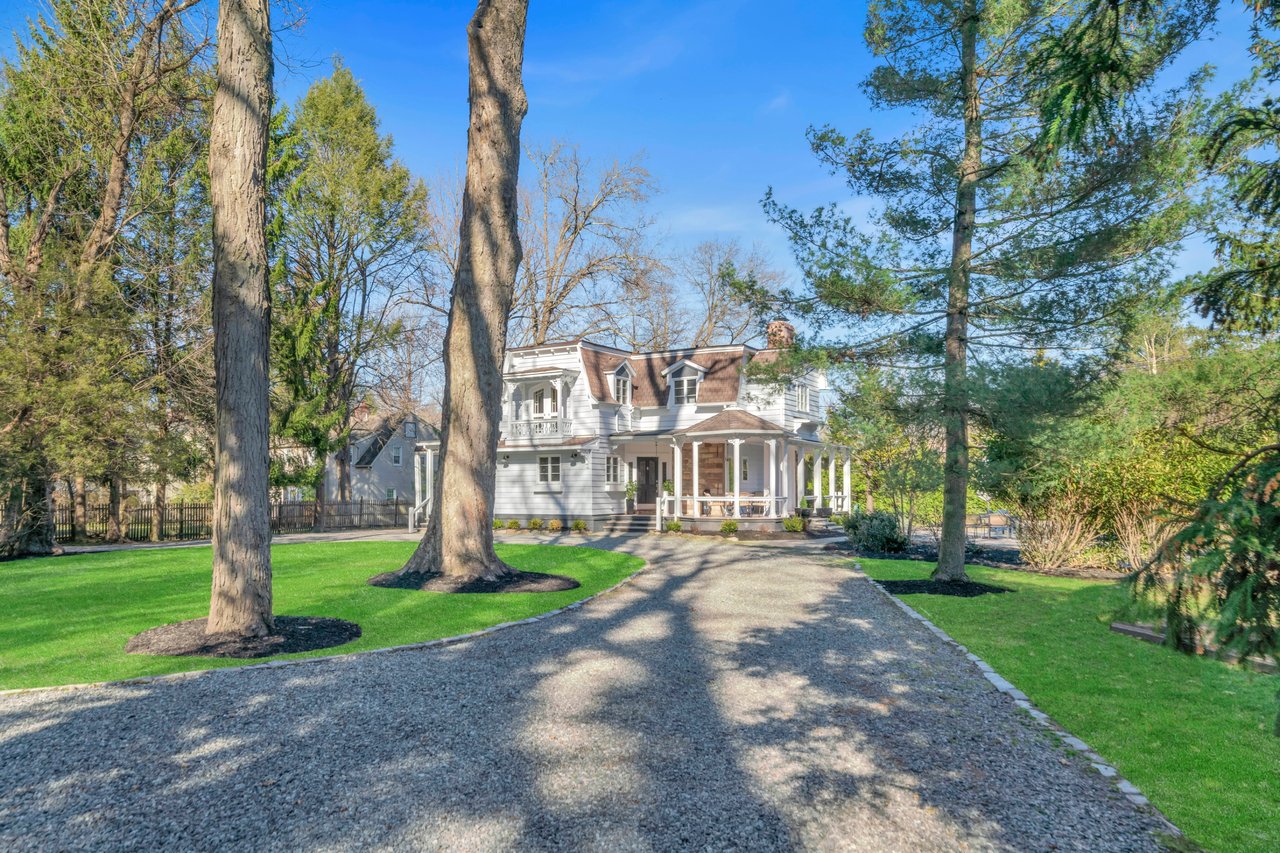
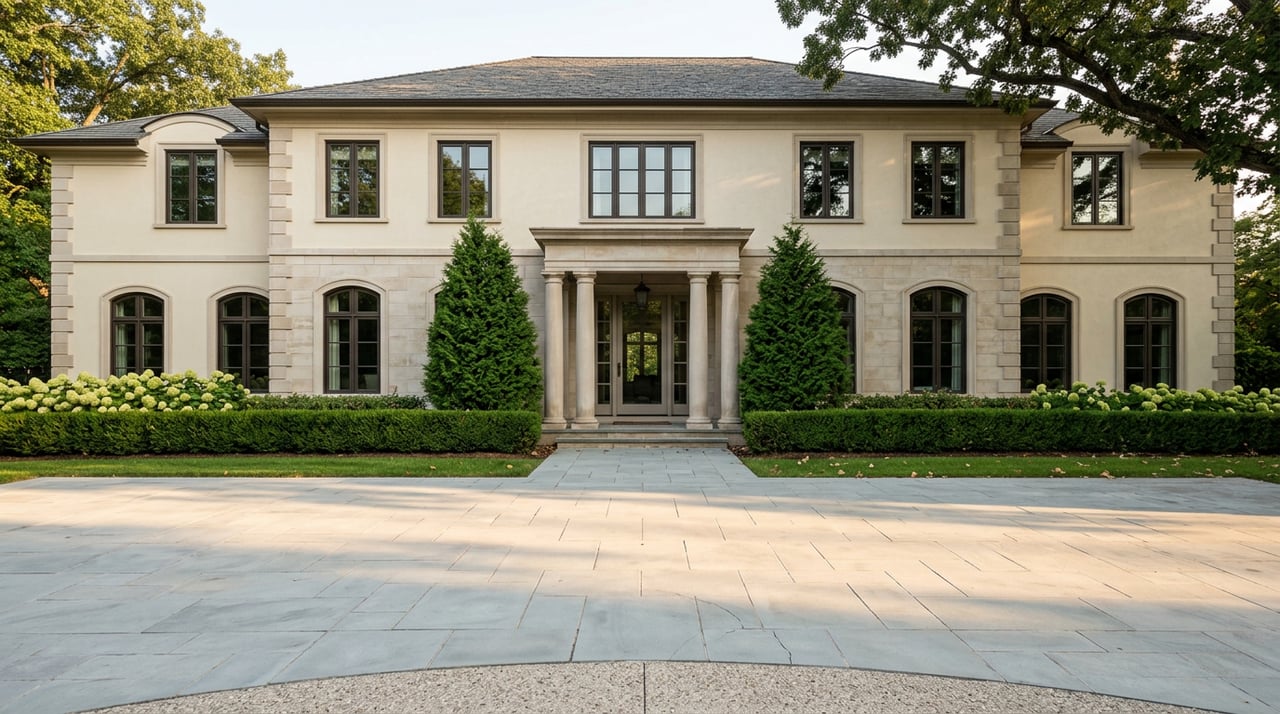
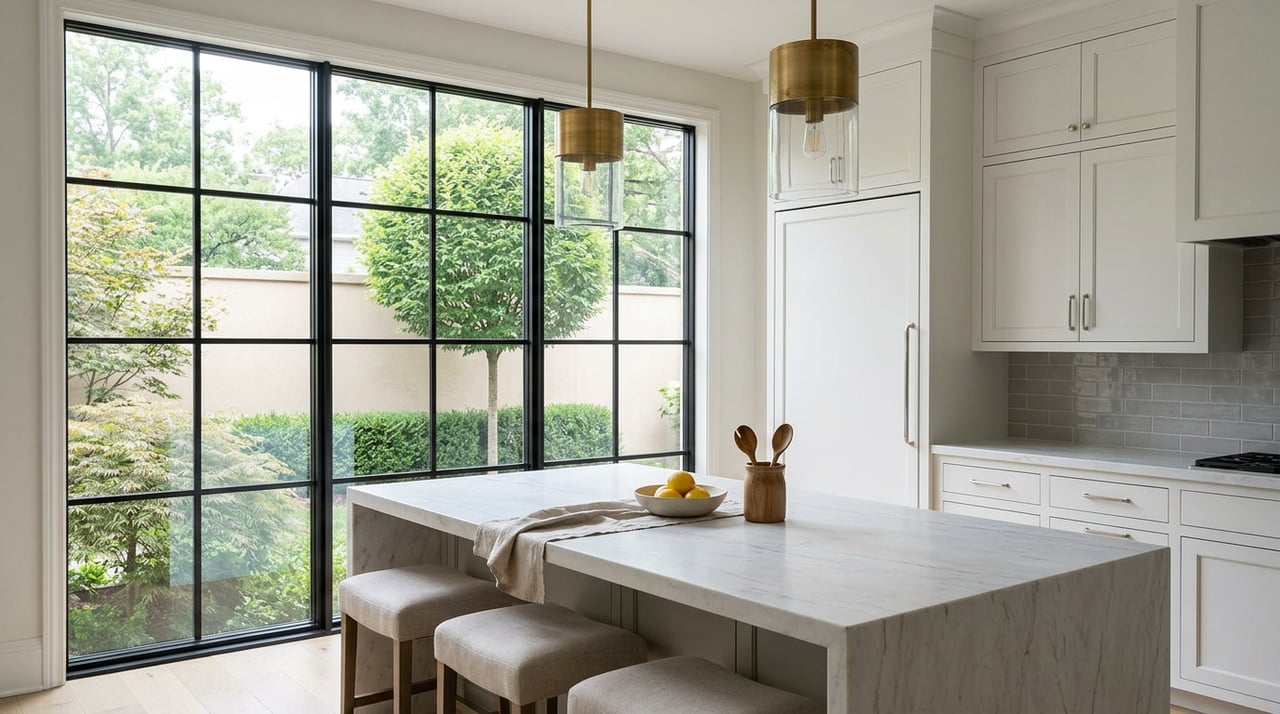
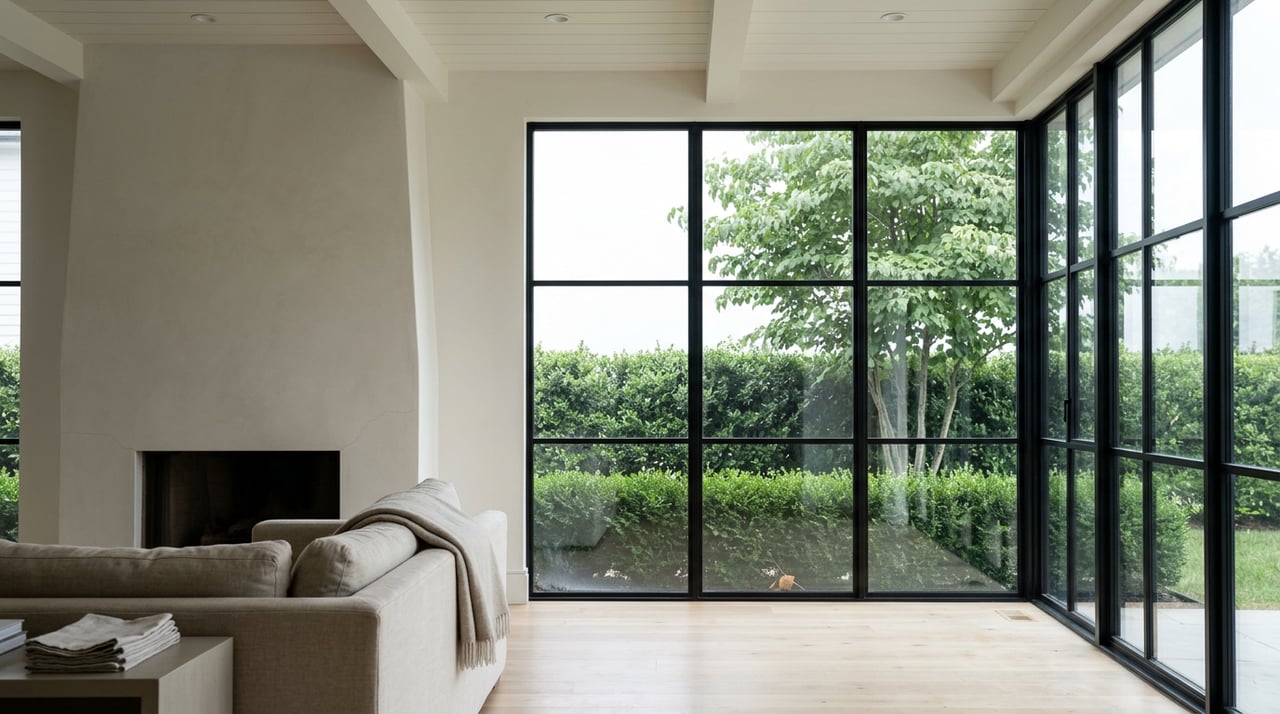
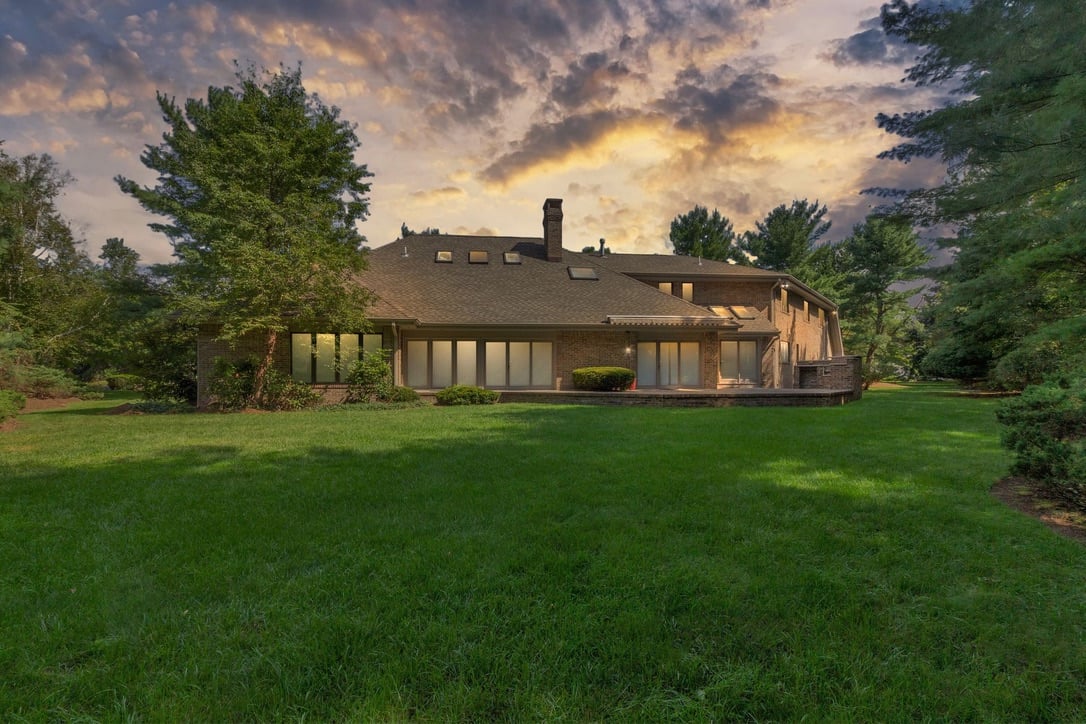
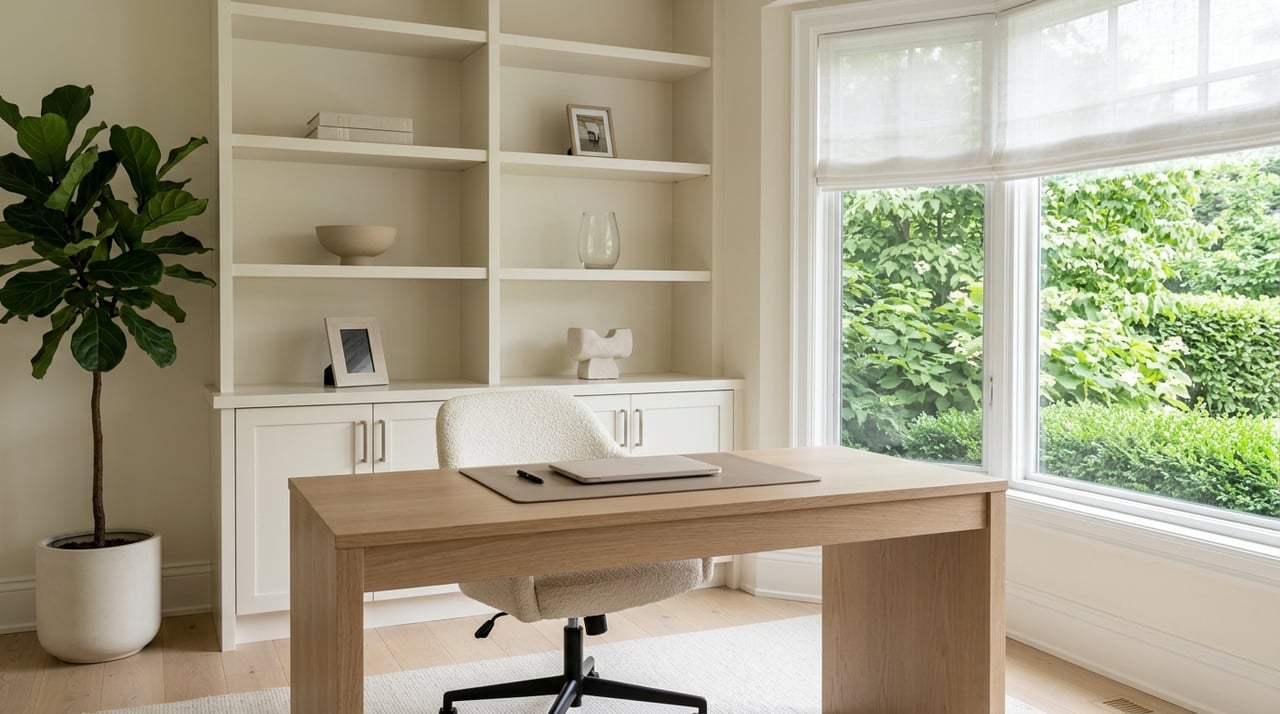
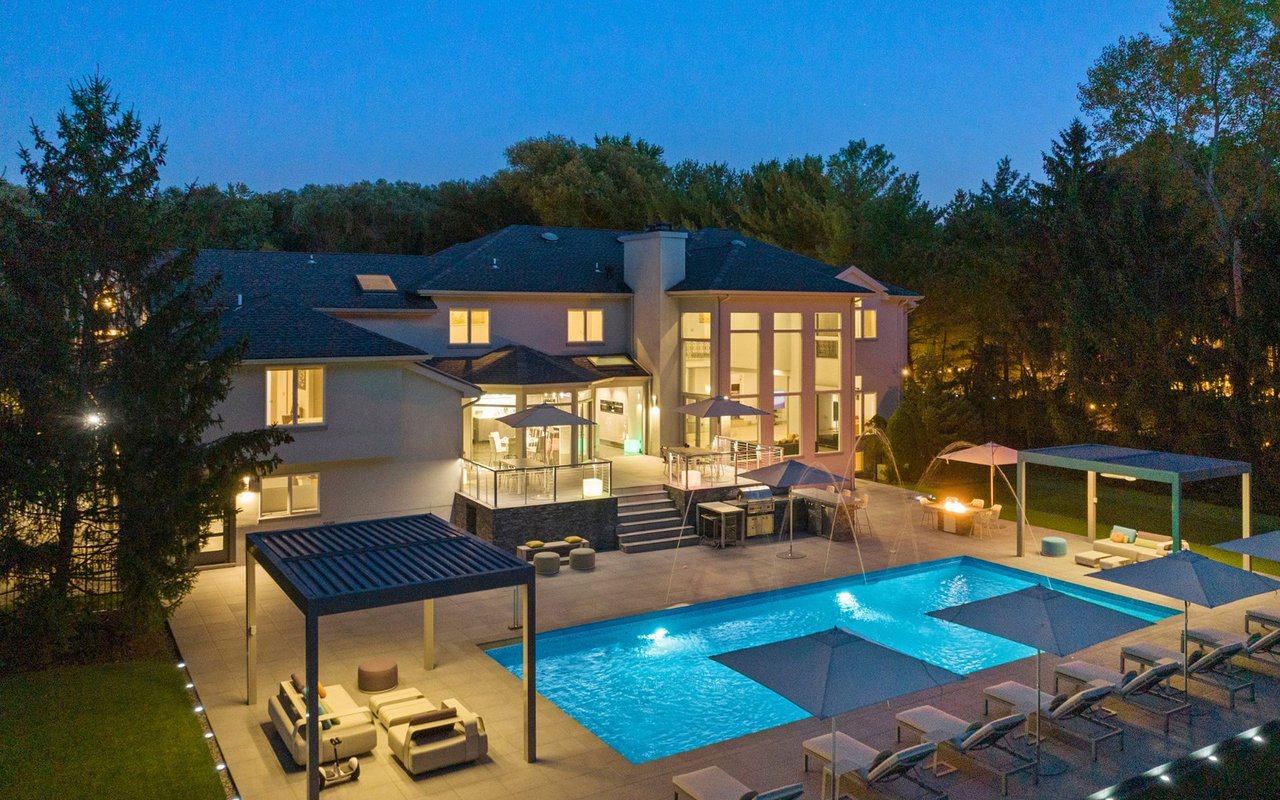
In Alpine, where buyers may compare a home closely against a small set of other high-end options, that visual edge matters. The goal of staging an ultra-luxury estate isn't merely to fill space or erase personality—it is to curate an environment where a buyer immediately recognizes the scale, light, and elevated lifestyle the property offers. Presenting a home with a clean, intentional aesthetic allows the architecture and premium finishes to stand out, ensuring the property photographs beautifully and commands attention online.
Prioritize the rooms that matter most
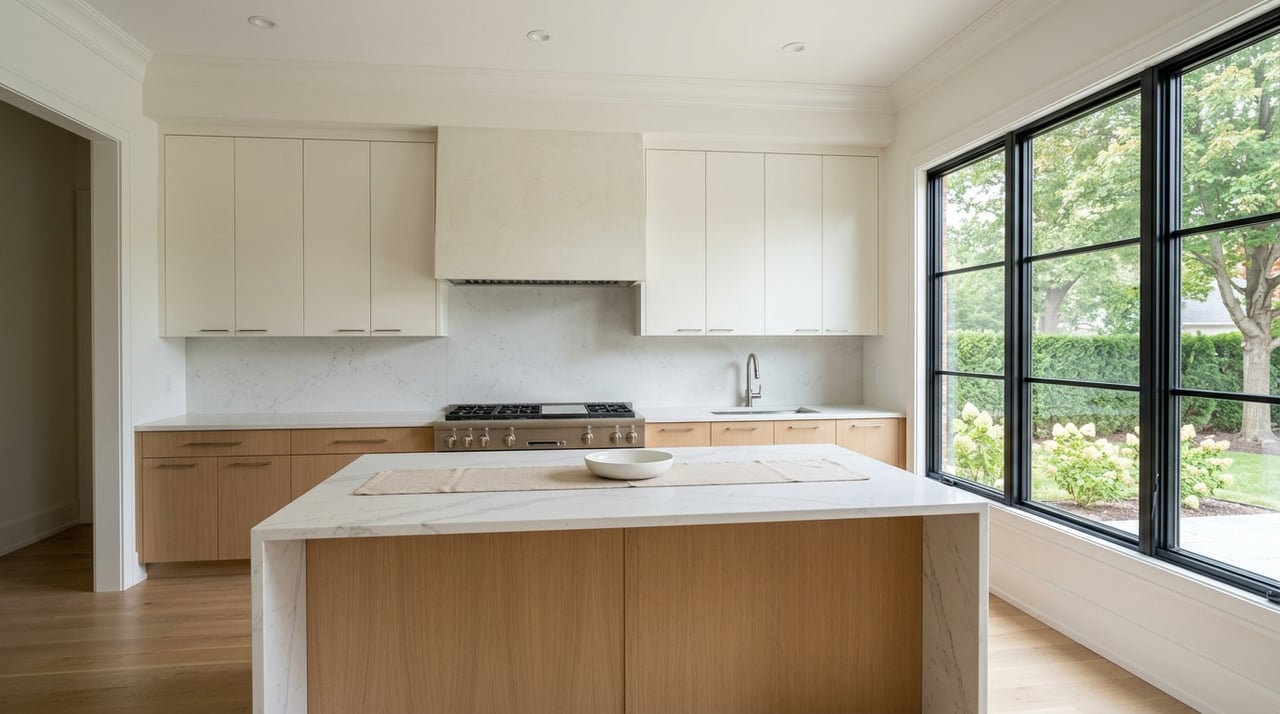
If you do not want to stage every room, target the areas with the biggest impact. The rooms most worth staging are:
- Living room
- Primary bedroom
- Kitchen
- Dining room
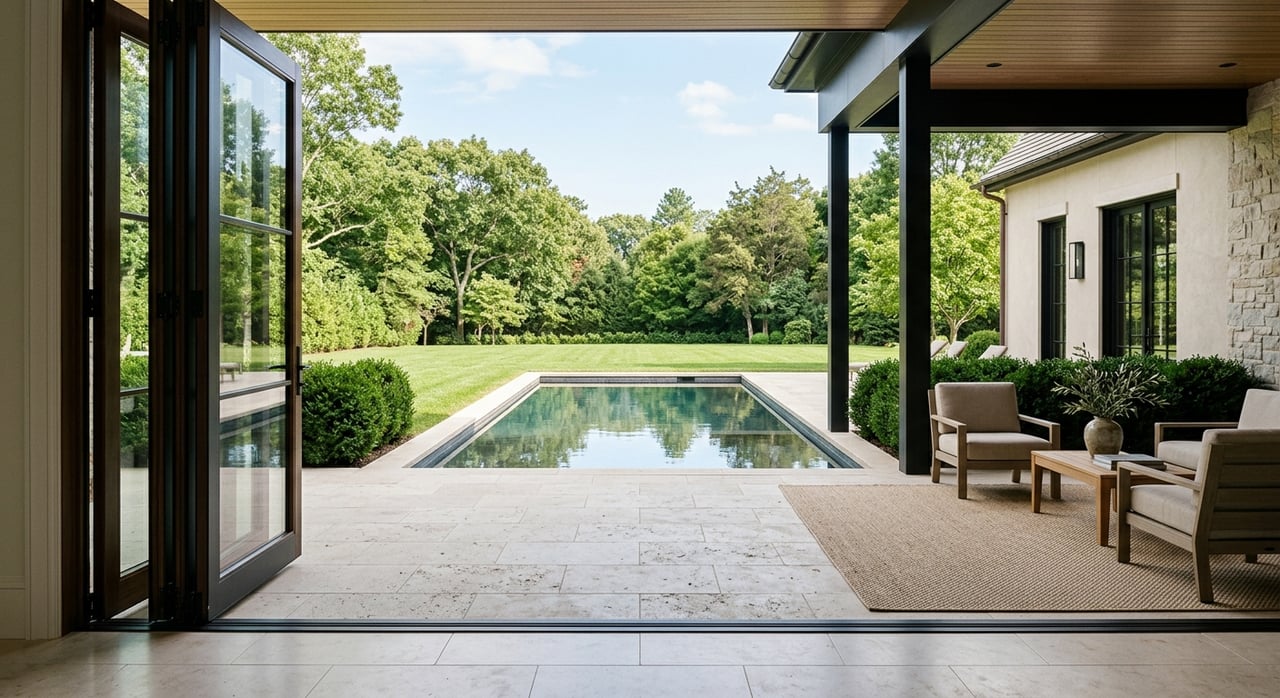
- Outdoor spaces
That targeted approach can go a long way. Full staging is optional, but focused effort in the main living areas often creates the strongest return.
Improve the details buyers notice fast
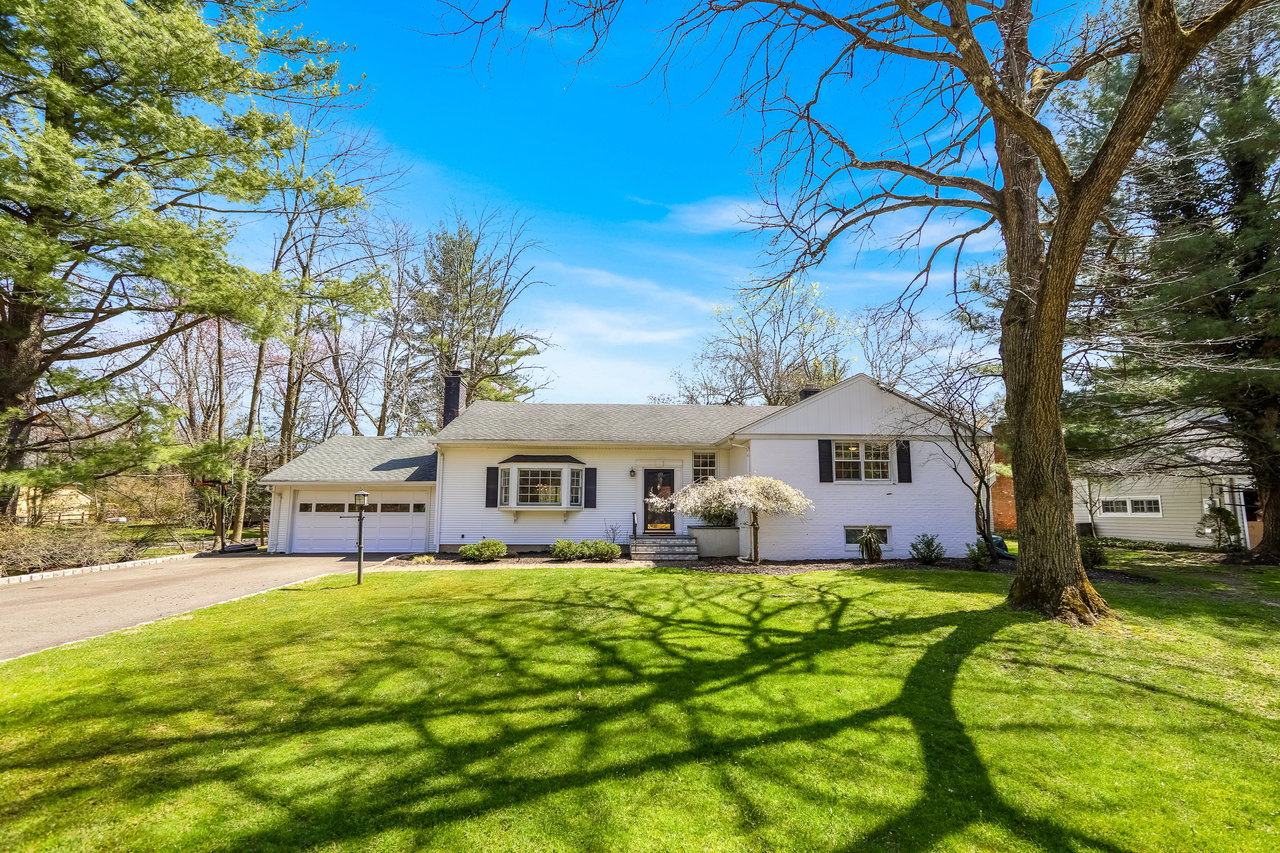
Beyond furniture and decor, the basics still matter. Decluttering, depersonalizing, deep cleaning, and landscaping can dramatically improve how your home feels in photos and in person.
These simple updates often help buyers focus on the property itself rather than your daily life in it. In a luxury sale, that sense of calm and polish is part of the product.
Prepare for an online-first buyer
Today’s buyers usually meet your home online before they ever step inside. Buyer research shows all home buyers used the internet to search for a home, with a median search of 10 weeks and seven homes viewed, including two viewed online only.
That means your launch assets need to be strong from day one. If the property does not show well online, some buyers may move on before scheduling a showing.
Use the listing elements buyers want most
The four listing elements buyers most want are:
- Photos
- Traditional staging
- Video tours
- Virtual tours
Professional visuals are not optional in a market like Alpine. They help set expectations, create emotional connection, and support the property’s value before a buyer ever visits.
Consider a privacy-conscious launch
Not every seller wants maximum public exposure right away. If privacy matters to you, there may be alternative listing options that allow for a quieter rollout, depending on local MLS rules.
NAR’s consumer guidance notes that an office-exclusive exempt listing is not publicly marketed, while a delayed-marketing exempt listing stays off IDX and syndication for a local period set by the MLS. In both cases, the seller signs a disclosure acknowledging that some immediate public-marketing benefits are being waived.
Quiet marketing has tradeoffs
A more private launch can make sense for some estate sellers, especially when discretion is a priority. At the same time, reduced public exposure may limit the number of buyers who see the property immediately.
This is not a one-size-fits-all decision. The right approach depends on your goals, privacy concerns, and comfort with broader market visibility.
Protect the property during the sale
Showings and listing periods create more activity around your home. That makes basic security and privacy steps especially important.
Before every showing, clear counters, wipe surfaces, open window treatments, turn on all lights, and remove pets if possible. You should also hide jewelry, valuables, electronics, firearms, and prescription medications.
Add a simple monitoring step
Bergen County Clerk’s Property Alert Service can email you when documents matching a property’s legal description or a party name are recorded. This can help owners monitor unauthorized or fraudulent activity during the listing period.
For high-value properties, that extra awareness can be a smart part of the overall plan.
Build buyer confidence from day one
A exceptional sale in Alpine is never an accident. It is the direct result of meticulous preparation, precise pricing, complete transparency in disclosures, and a flawless marketing launch. When these elements align, buyers have every reason to act with absolute confidence.
If you are preparing to transition an Alpine estate, you deserve an advisor who personally manages every nuance of your sale with absolute discretion and concierge-level attention. Connect with Lana Henriques to orchestrate your custom market strategy.
FAQs
Do Alpine sellers need a pre-list inspection before selling?
- No. A pre-list inspection is not required, but it can be worthwhile because it helps surface issues before buyers do.
What repairs matter most for an Alpine home sale?
- The most important repairs are usually visible, buyer-facing items like cleaning, curb appeal, paint touch-ups, minor fixes, and any major-system issue likely to come up during inspection.
How much staging is enough for an Alpine estate?
- At minimum, focus on the living room, primary bedroom, kitchen, dining room, and outdoor spaces, since these areas often shape the strongest first impression.
Can Alpine sellers market a home privately?
- Yes. Depending on local MLS rules, office-exclusive or delayed-marketing options may allow a quieter launch, but you may waive some benefits of immediate public exposure.
What disclosures are required for New Jersey home sellers?
- New Jersey sellers must complete the Seller’s Property Condition Disclosure Statement and disclose known material defects, including flood-related information on the updated form, plus lead-based paint disclosures for pre-1978 homes.
Where this fits on the map
Preparation matters more in Alpine than almost anywhere else in the county, because the buyer pool is small and extremely specific. My Alpine neighborhood guide explains who that buyer usually is. If your buyer is weighing Alpine against something a little more conventional, that comparison is usually Closter or Norwood. My Bergen County guide puts the whole market in context. To start the conversation with a number, use my home valuation page.