If your New York City workweek feels nonstop, Demarest may offer the reset you have been looking for. For many buyers, the goal is not to leave access behind. It is to gain more space, more privacy, and a quieter day-to-day setting without cutting off the city completely. If that balance sounds appealing, Demarest deserves a closer look. Let’s dive in.
Why Demarest stands out
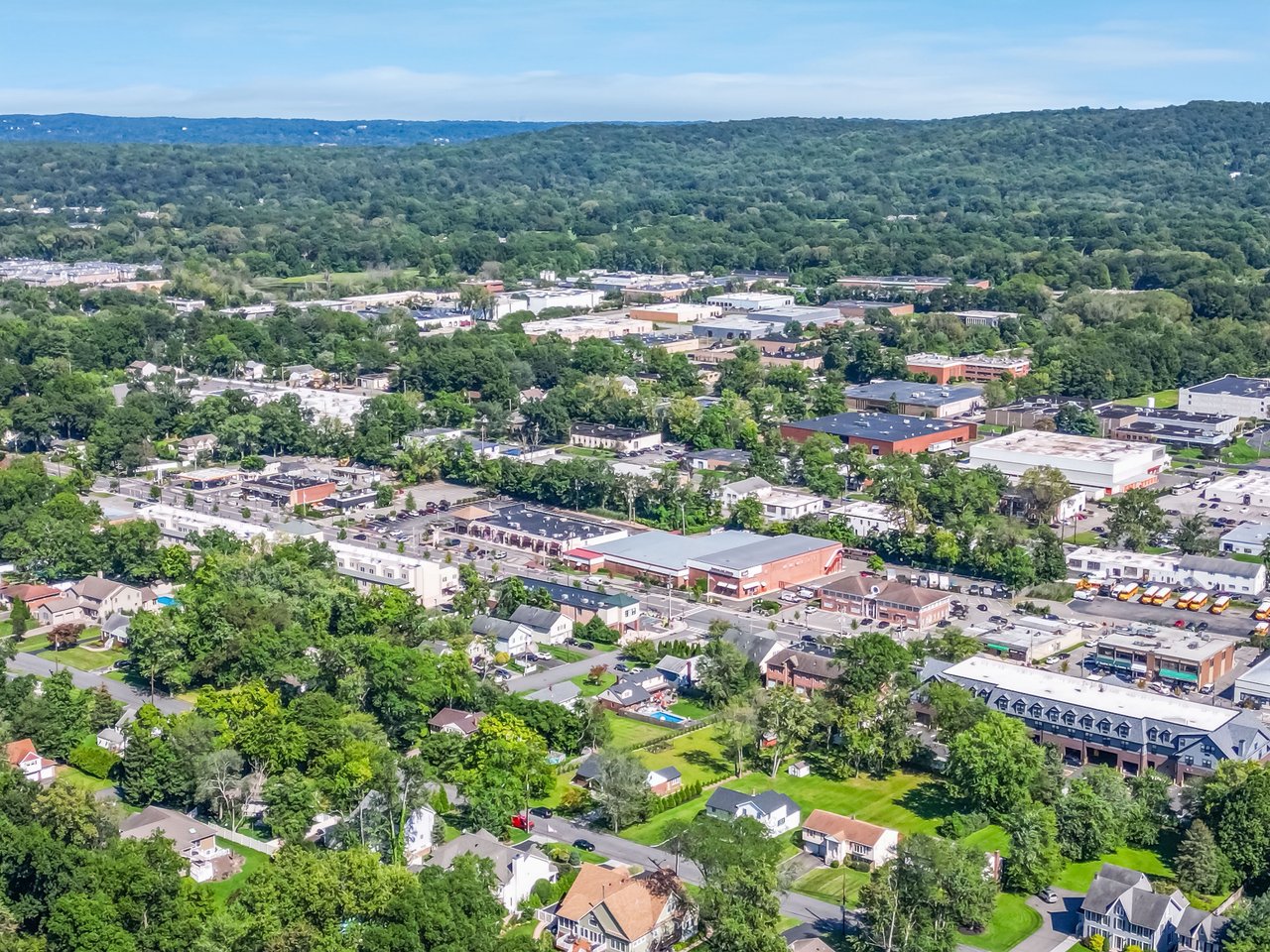
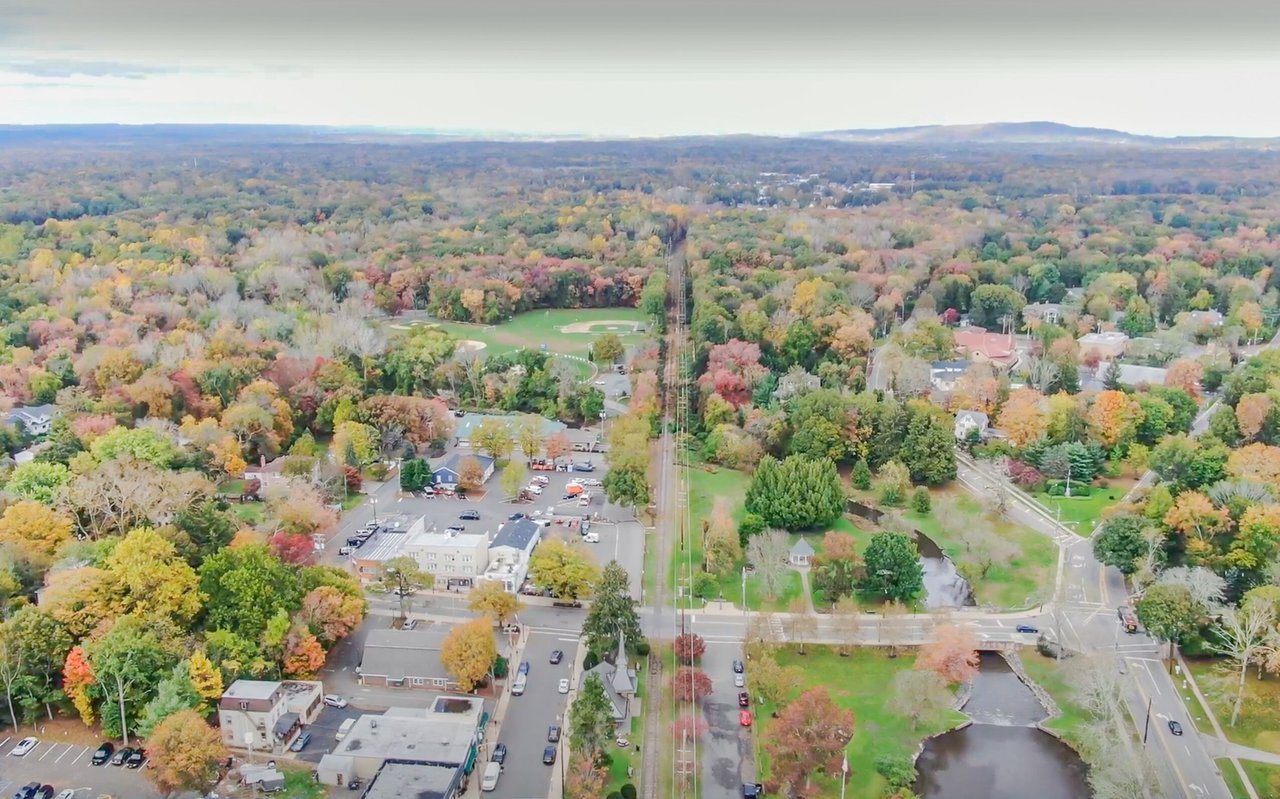
Demarest is a small Bergen County borough with 4,981 residents across about 2.1 square miles. That smaller scale shapes the experience of living there. It feels established, residential, and calm rather than busy or heavily commercial.
The borough also reflects a high-income, professional suburban profile. Census data shows a median household income of $208,036, and 75.9% of residents hold a bachelor’s degree or higher. For many NYC-area buyers, that points to a community where residential stability and long-term homeownership are a big part of the local character.
What the NYC commute looks like
One of the most important things to understand about Demarest is that it is not a rail-first commuter town. If your ideal setup is walking to a train platform every morning, this may not be the best fit. Demarest works better for buyers who are comfortable with a car-and-bus routine.
Bergen County reports a broad commuter network that includes three passenger rail lines, 30 train stations, 51 NJ Transit bus routes, and ferry access at Edgewater. For Manhattan-bound travel, NJ Transit route 166 runs the Cresskill-Bergenfield-New York corridor and serves Port Authority Bus Terminal. That gives Demarest residents access to a practical route into the city, even without direct commuter rail service in town.
The local commuting data helps clarify how people actually travel. In Demarest’s 2020 commute table, there were 2,255 workers total, with 1,551 driving alone, 204 using public transit, and 253 working from home. Among public-transit commuters, 164 used the bus and 40 used subway or elevated rail, while there were no commuter-rail commuters recorded.
In simple terms, about 69% of workers drove alone, about 9% used public transit, and about 11% worked from home. That tells you a lot about the borough’s rhythm. This is not a place built around train schedules and station-area bustle. It is a suburb where driving plays a major role in everyday life.
Commute time matters too. The ACS 2024 profile puts Demarest’s mean travel time to work at 43.2 minutes, compared with 31.2 minutes for Bergen County overall. So yes, the commute is workable, but it is not especially short. For many buyers, that tradeoff makes sense because what you gain at home can feel worth it.
Space is the main draw
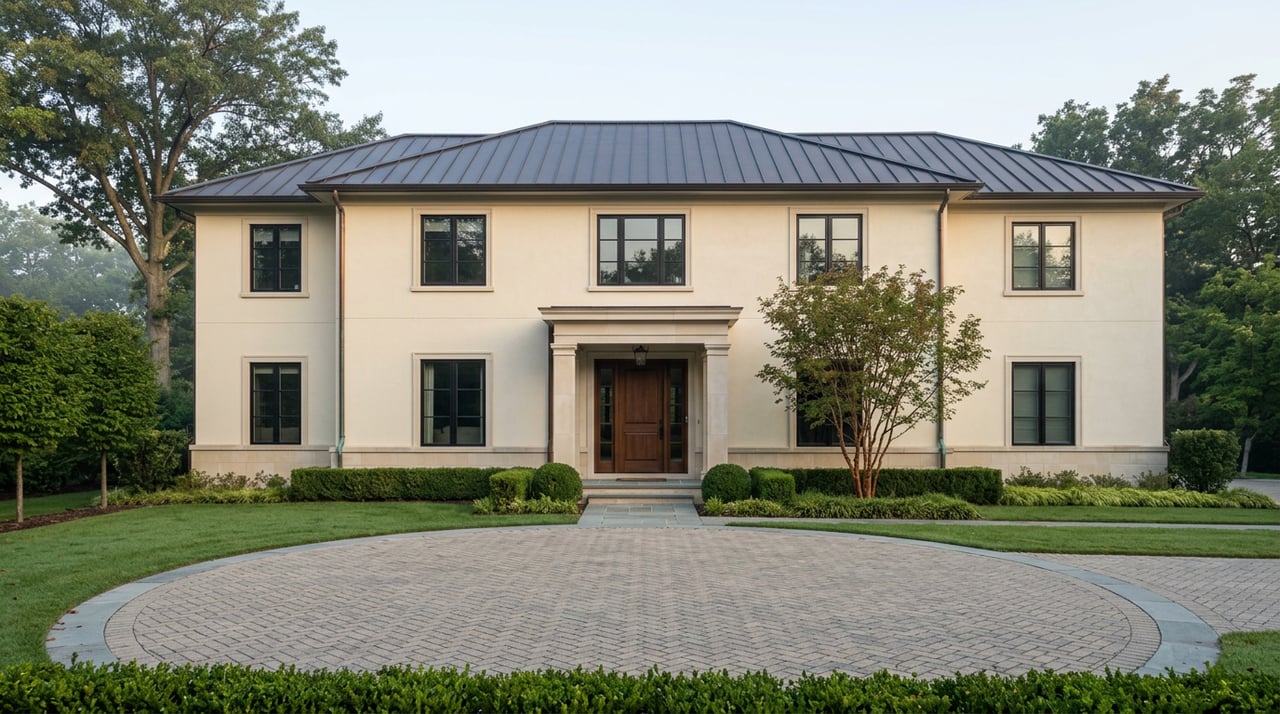
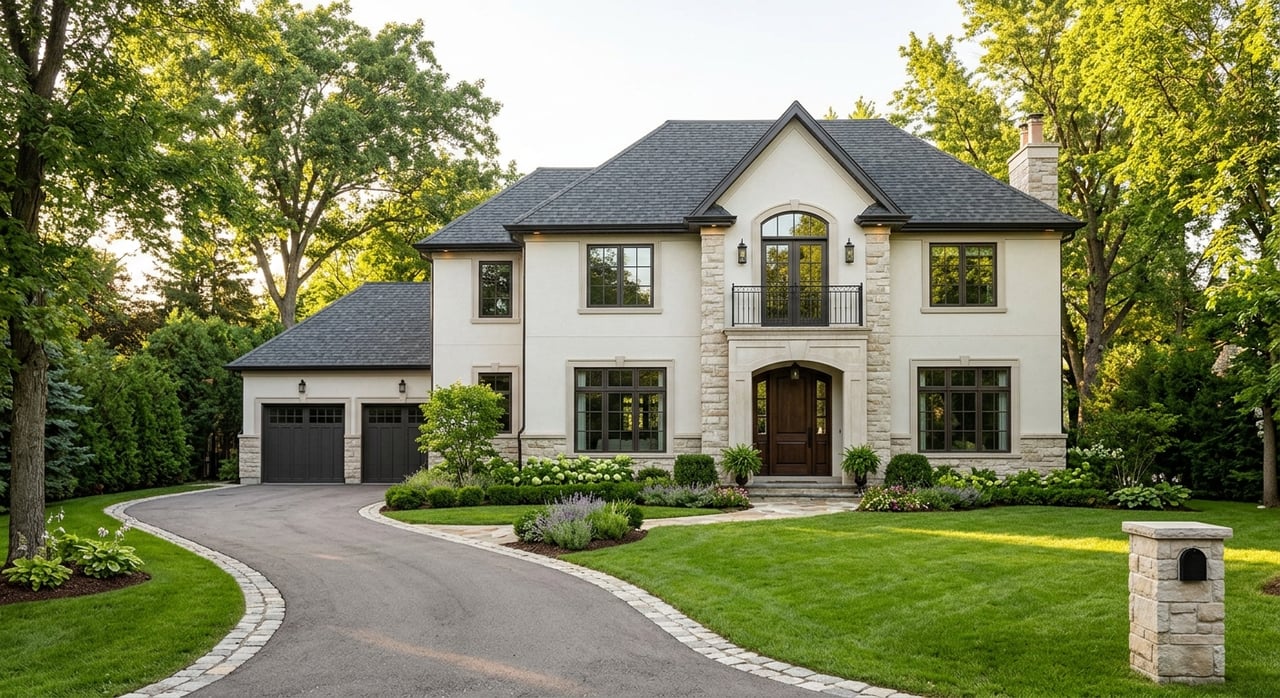
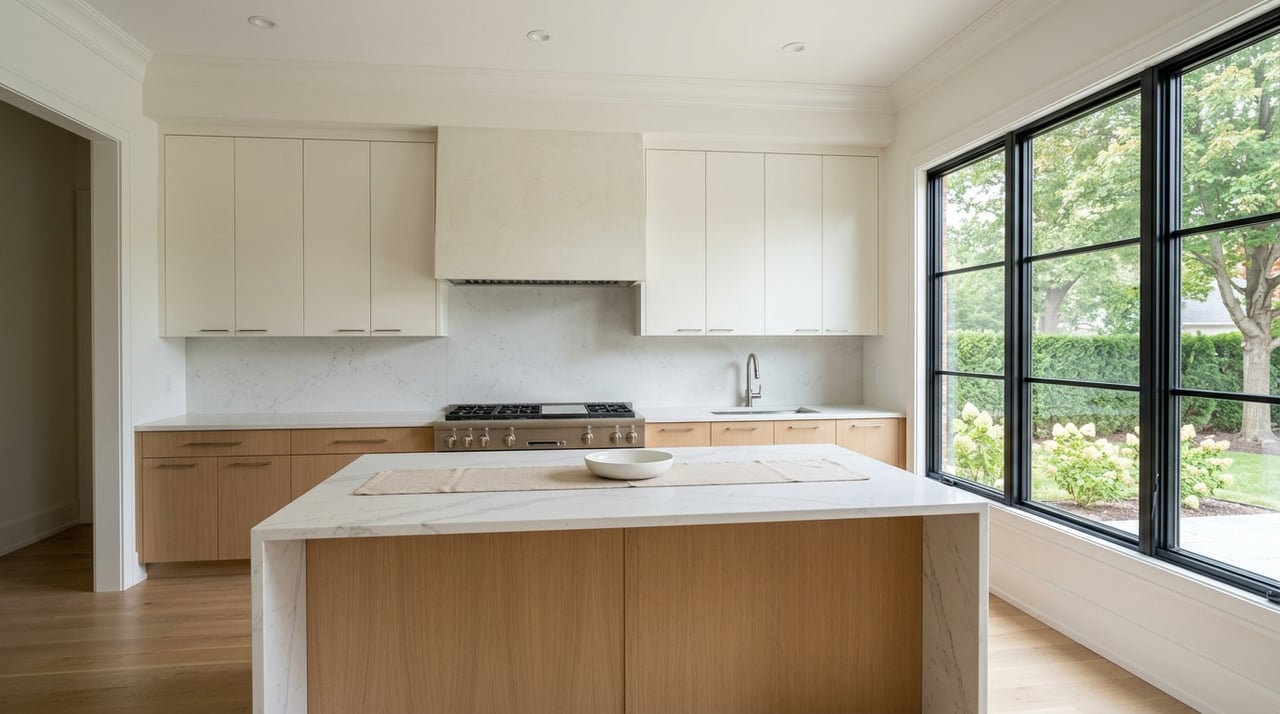
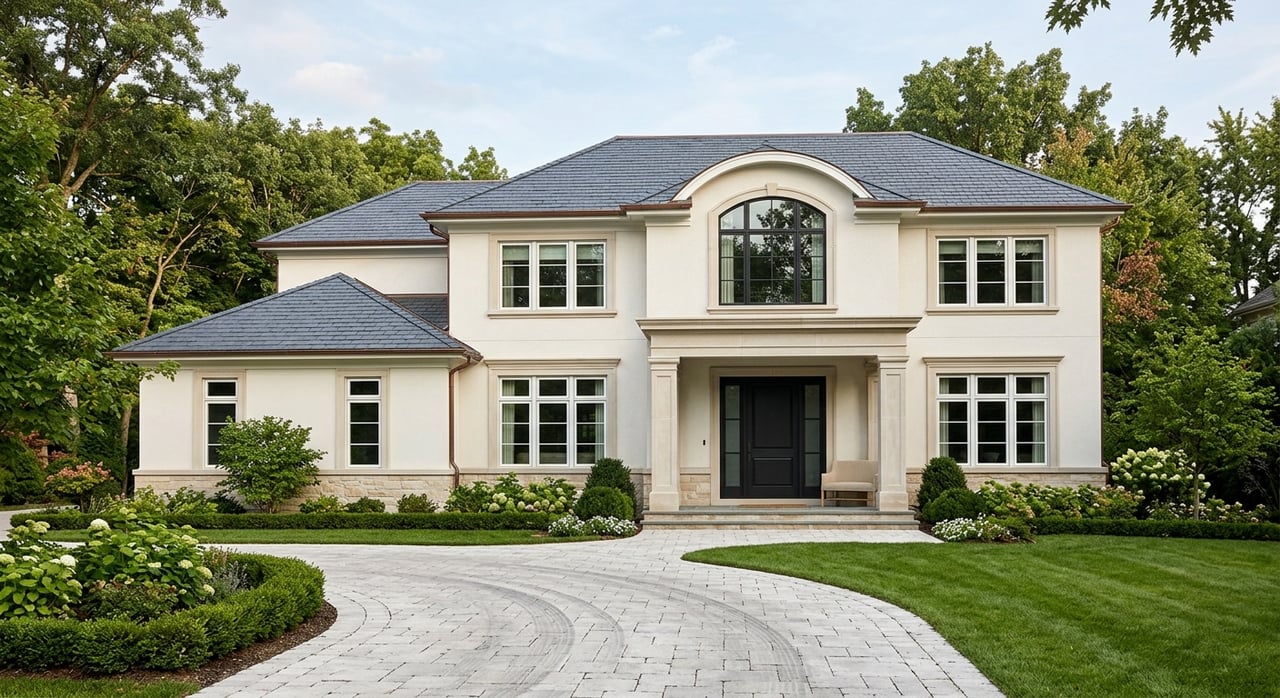
For NYC commuters considering Bergen County, space is often the reason to move in the first place. Demarest delivers strongly on that front. Borough planning data based on 2022 ACS estimates shows 1,743 housing units, including 1,706 one-unit detached homes.
That is a striking number because it shows just how dominant the single-family housing pattern is. The same estimate found only 12 duplex units and 25 units in 3- to 4-unit buildings. There were no townhomes and no apartment buildings with five or more units in that data set.
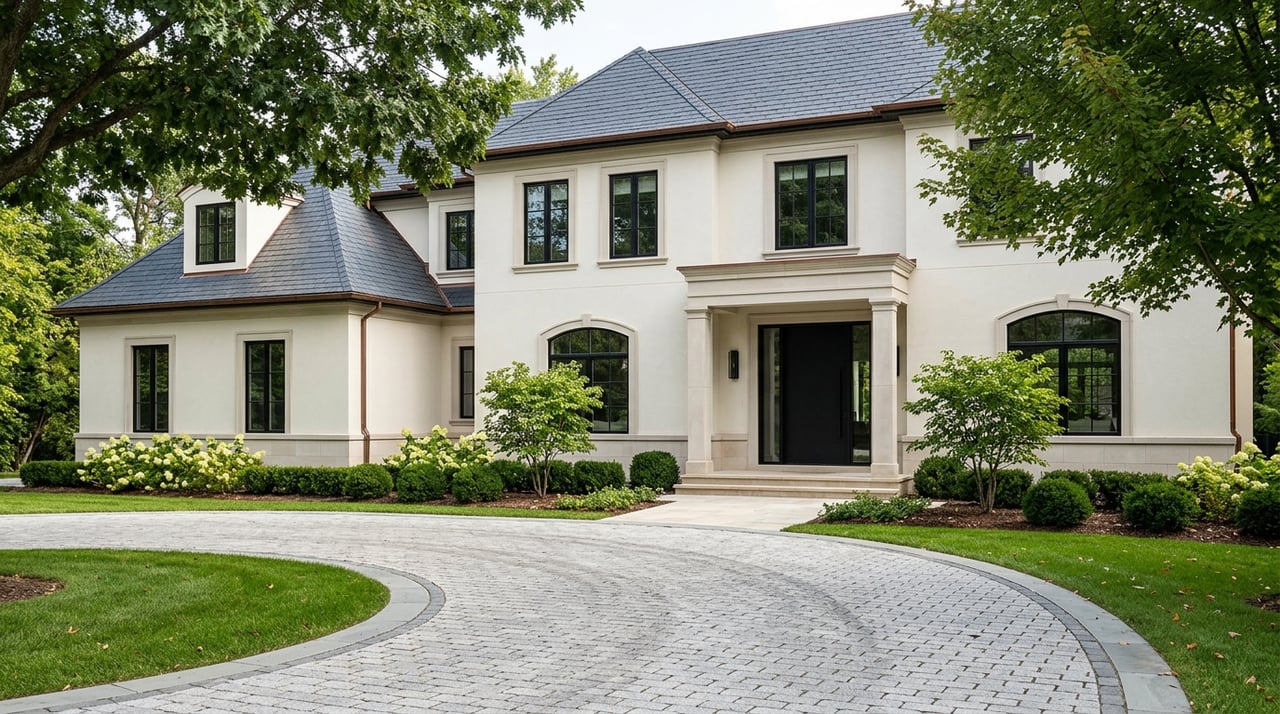
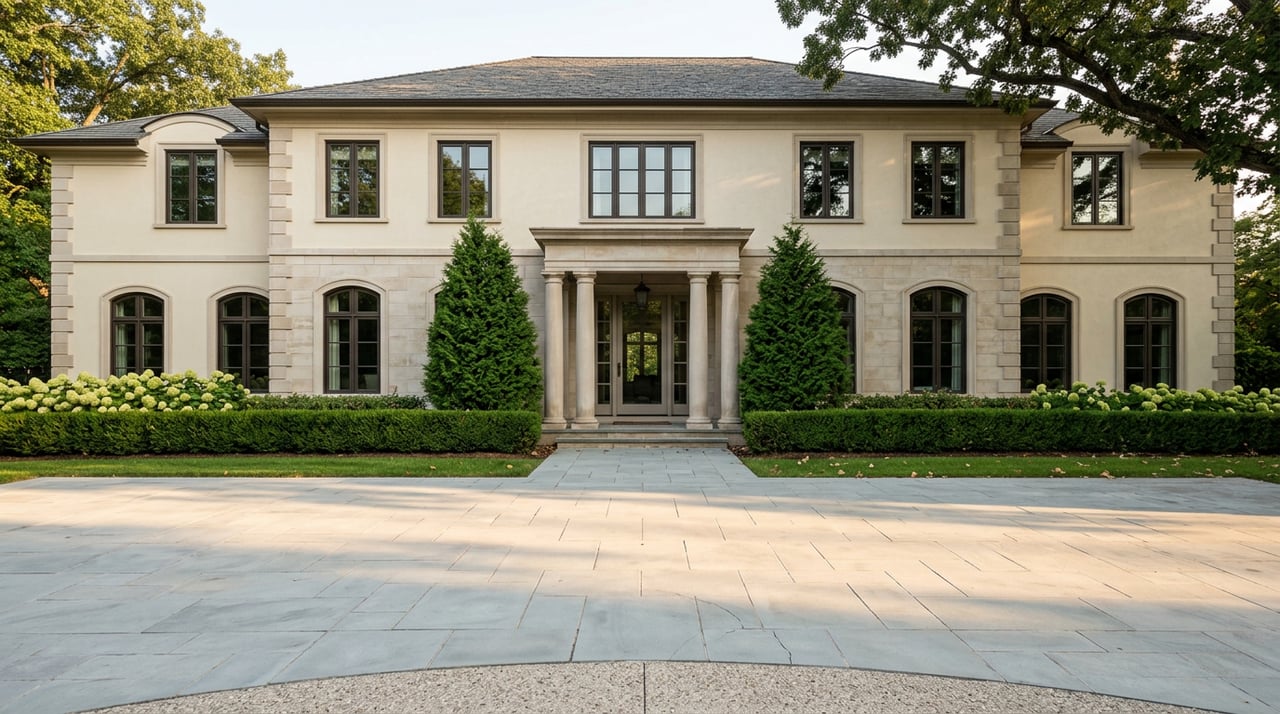
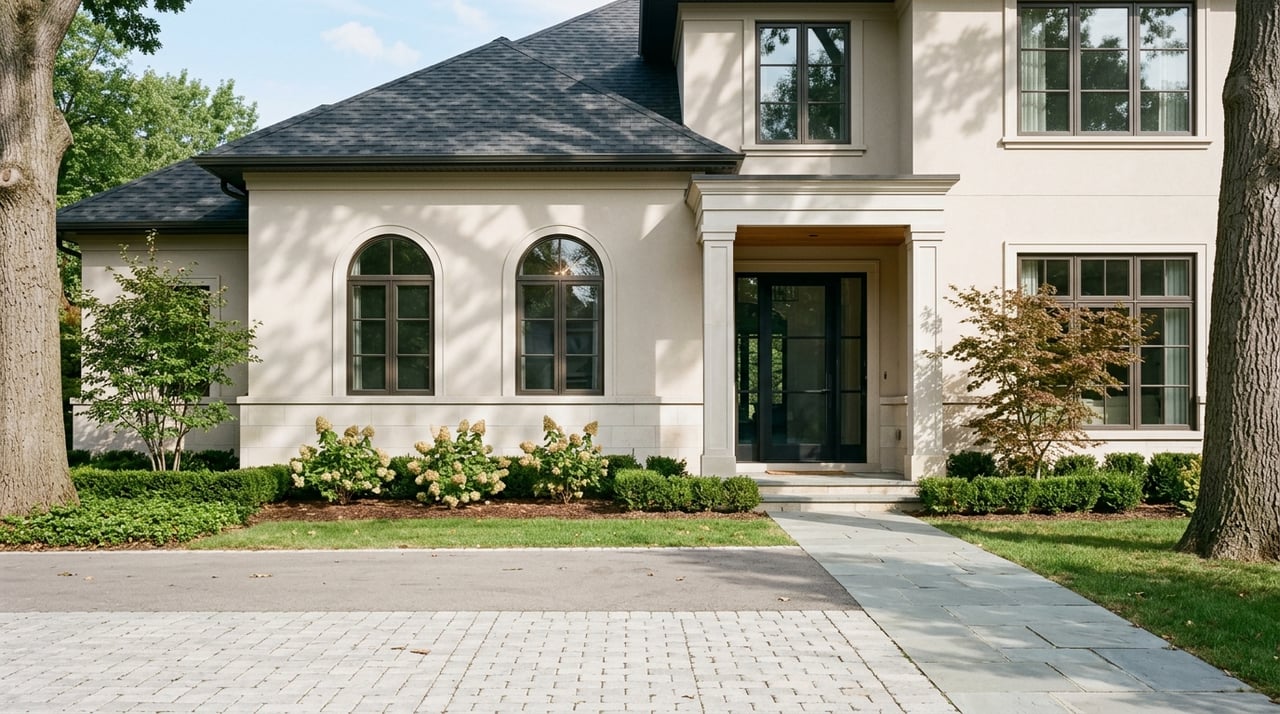
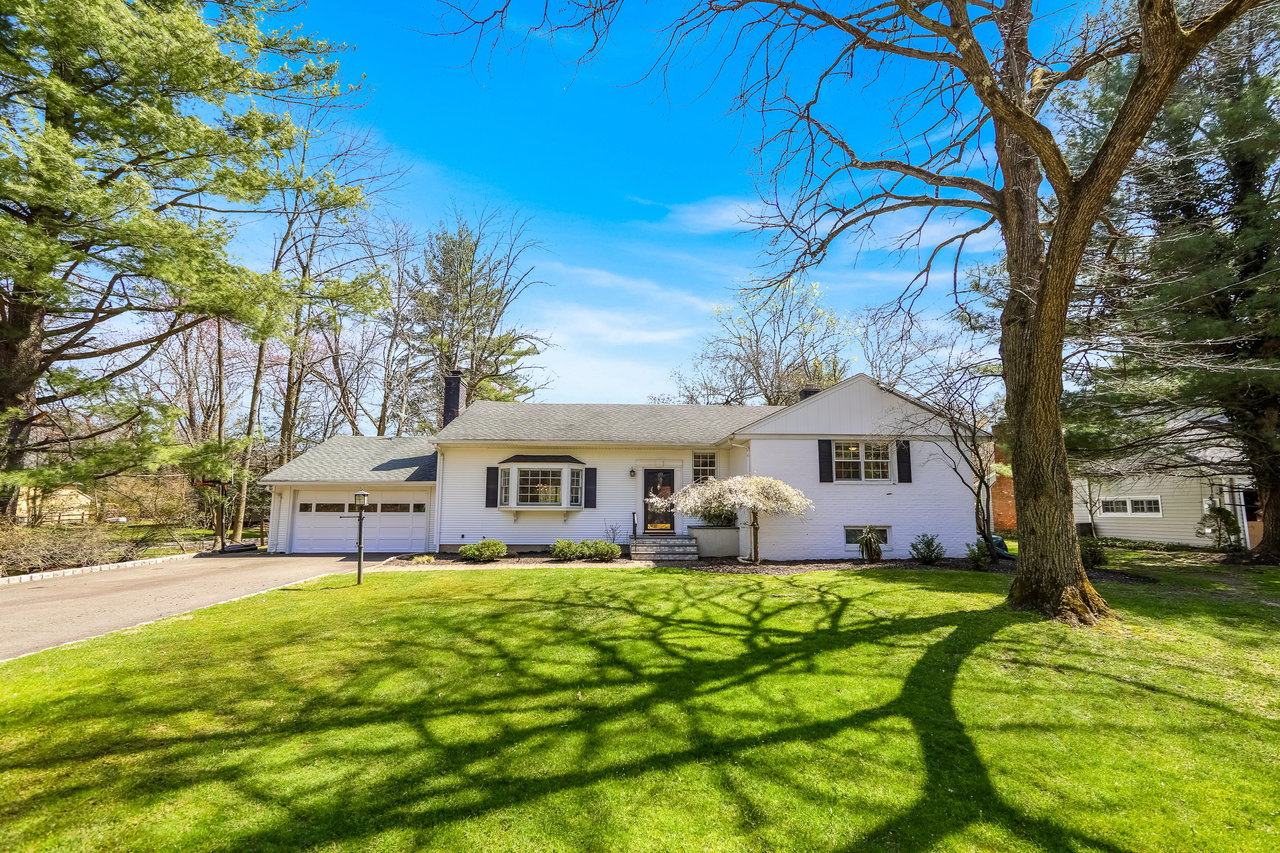
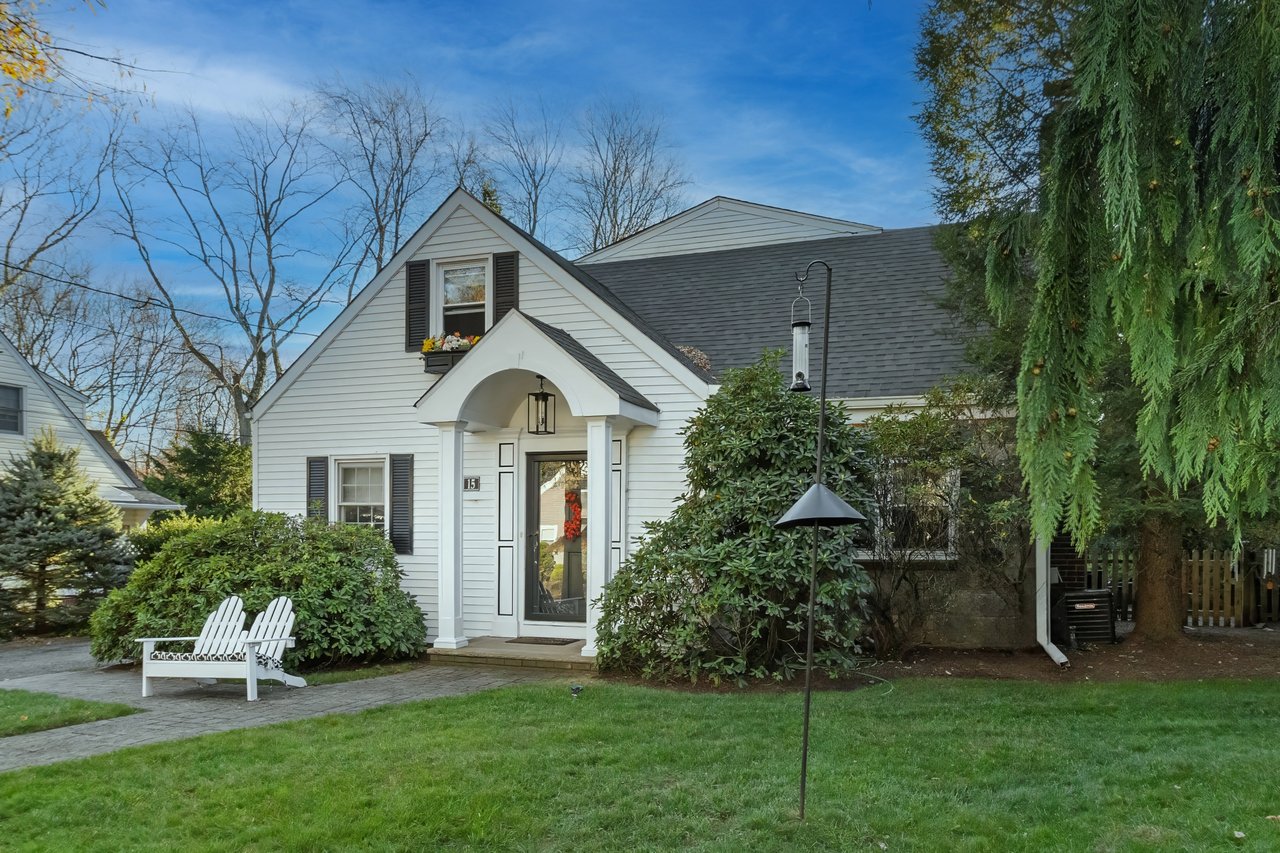
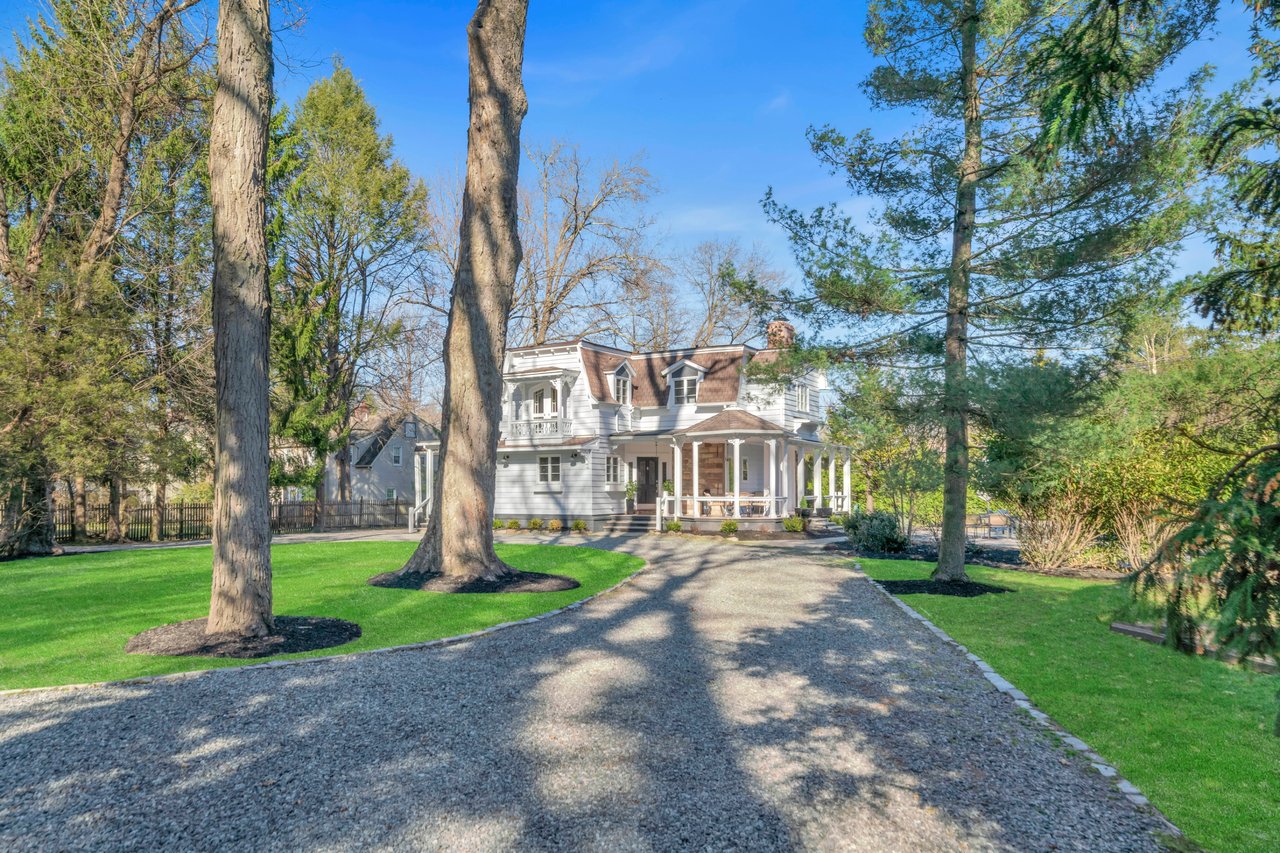
If you are trying to move from a smaller city living setup into a detached home environment, Demarest clearly aligns with that goal. You are more likely to find a traditional suburban residential pattern here than a mixed-use or higher-density one. That often translates into more private outdoor space, lower density, and a quieter street presence.
An established housing stock
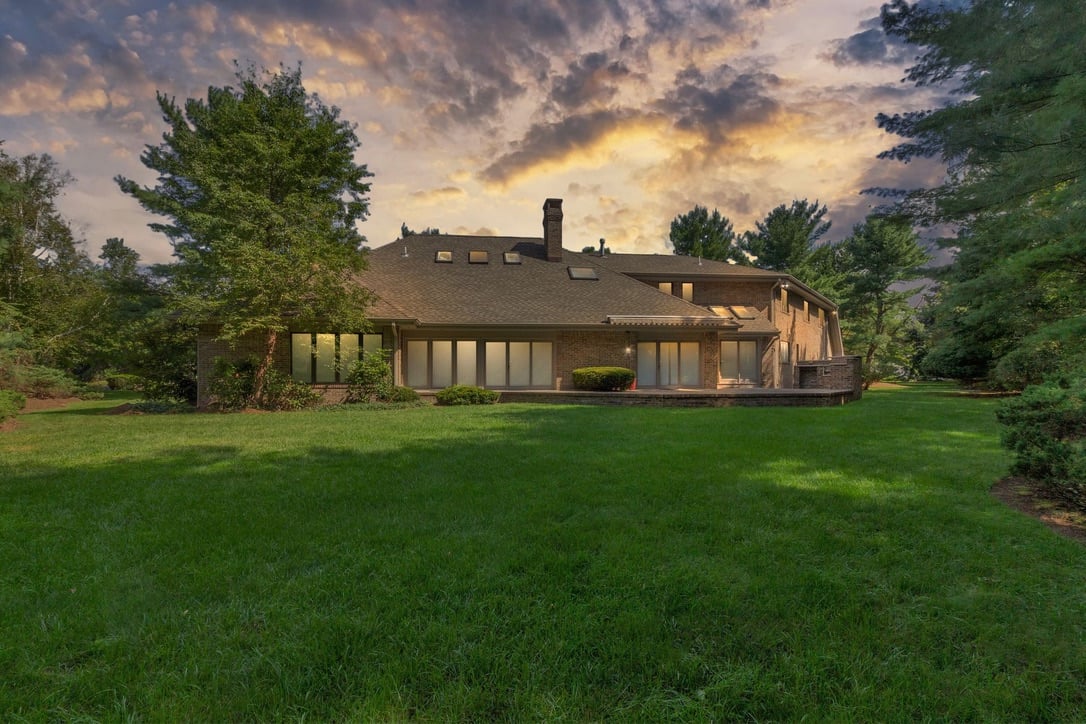
Demarest does not read as brand new, and that is part of its appeal. About 69.1% of the housing stock was built before 1980, according to the borough planning document. That helps explain why the town feels mature and settled rather than newly developed.
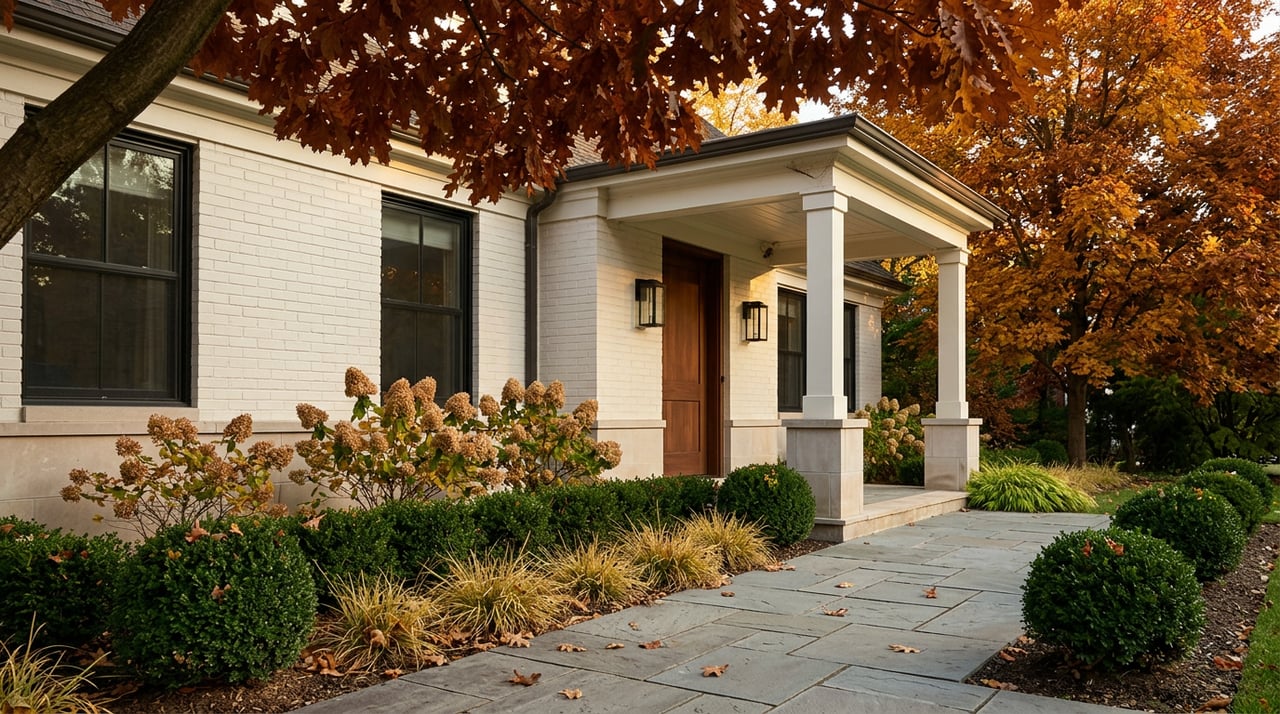
For buyers, that can mean tree-lined streets, established lots, and a more rooted neighborhood feel. It also means housing style and condition can vary, which makes careful home-by-home evaluation especially important. In an established market like this, strategy and local guidance matter because no two properties are exactly alike.
The ownership profile also reinforces the borough’s long-term residential identity. The same plan shows 1,437 owner-occupied units and 253 rental units. That owner-oriented pattern is often attractive to buyers who want a place with a stable, primarily residential feel.
Price point and market expectations
Demarest is not an entry-level market, and buyers should go in with realistic expectations. The borough planning data reports a median owner-occupied home value of $938,700. It also notes that 43.9% of owner-occupied homes were valued at $1 million or more.
That pricing context matters if you are comparing Demarest with other Bergen County towns or weighing suburban options outside New Jersey. In practice, Demarest tends to attract buyers who are prioritizing home size, lot size, privacy, and a quieter setting over a lower purchase price or the shortest possible ride to Midtown.
For relocation buyers especially, this is where local insight becomes valuable. A town can look appealing on paper, but your budget, commute preferences, and housing priorities all need to line up. The right move is rarely just about finding space. It is about finding the version of space that fits your daily life.
Daily life feels quieter by design
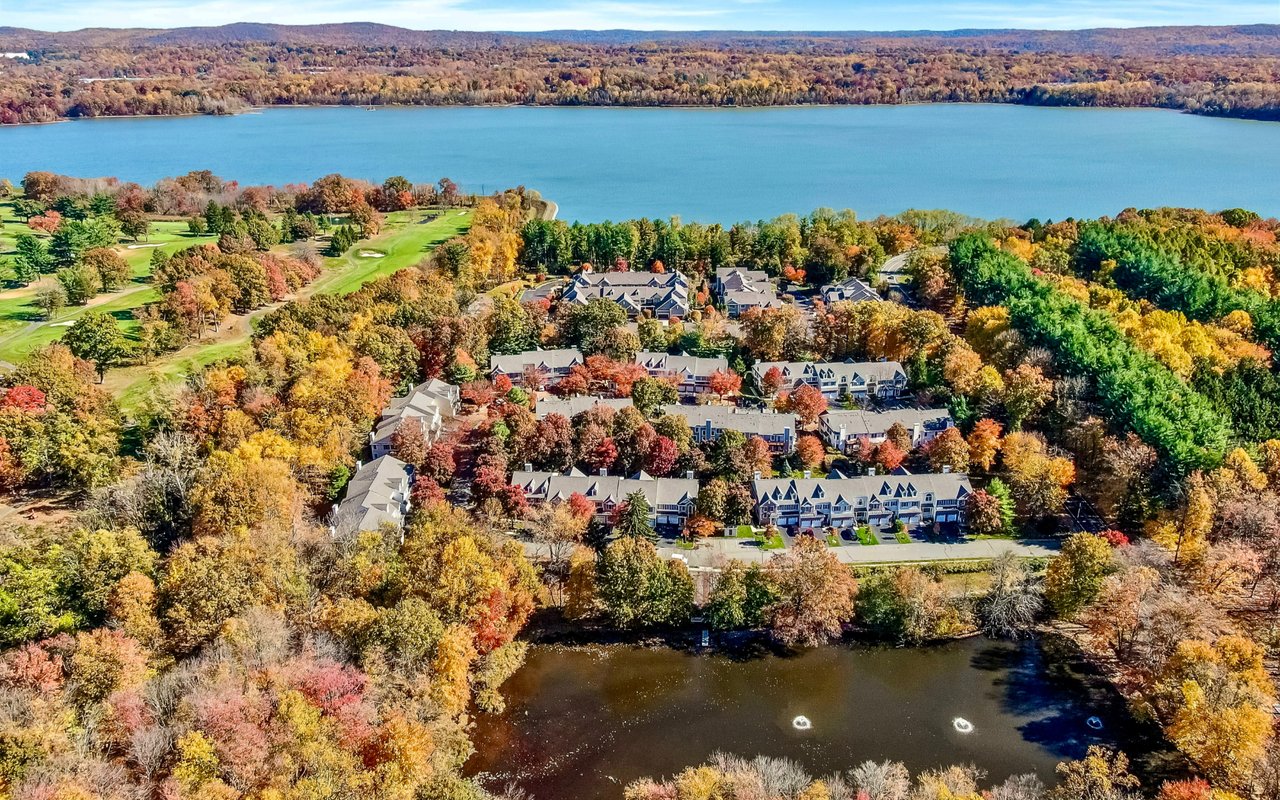
Demarest’s identity is strongly residential. Borough history materials describe the town in terms of quiet tree-lined streets and open recreation land rather than industrial or commercial activity. That distinction matters because it shapes what everyday life feels like once the workday ends.
If you want a dense retail core with constant activity, Demarest may feel too low-key. If you want a calmer home base where the residential setting is the point, the borough becomes much more compelling. Many commuters are willing to trade a little convenience for that kind of breathing room.
The Demarest Nature Center adds to that lifestyle appeal. Bergen County lists it as an environmental center, and the center says it preserves 55 acres with more than two miles of trails that are free and open to the public. For buyers trying to picture real daily use, that means accessible outdoor space close to home rather than something you only enjoy on rare weekends.
A community-centered feel
Demarest also has a strong community infrastructure built around local institutions and events. The borough schools page lists County Road School, Luther Lee Emerson, Demarest Middle School, Northern Valley Regional High School at Demarest, and Academy of the Holy Angels. Those public listings help show why the town often feels organized around a school-centered rhythm.
Community programming adds another layer to that experience. Borough materials reference summer concerts, Demarest Day, and a swim club, along with active recreation offerings. These details may seem small, but they can shape how connected a town feels over time.
There is also movement in the downtown area. According to the 2026 borough newsletter, redevelopment plans include a future café or restaurant at the historic train station and a mixed-use bank-building plan. That does not turn Demarest into a dense downtown town, but it does suggest thoughtful change that may add convenience and local gathering space.
Who Demarest fits best
Demarest is usually strongest for buyers who want a quieter suburban setting and are comfortable with a commute that leans more on driving and bus access than rail convenience. It can be especially appealing if you are leaving the city for more square footage, more privacy, and a more relaxed daily pace.
It may be a good fit if you are looking for:
- Detached homes as the primary housing option
- An established residential setting
- A lower-density daily environment
- Access to outdoor space and recreation
- A Bergen County location that still supports Manhattan commuting
It may be less ideal if you need:
- A walk-to-train lifestyle
- A dense retail or restaurant core
- A shorter-than-average commute
- A housing market centered on condos, apartments, or townhomes
How to evaluate Demarest as a commuter buyer
When you are deciding whether Demarest fits your lifestyle, it helps to think beyond the map. A town can seem close enough to Manhattan, but your real experience depends on how you want your mornings, evenings, and weekends to feel.
Start with a few practical questions:
- Are you comfortable with a bus-and-car commuting pattern?
- Does more space feel worth a longer average commute?
- Do you want a primarily single-family home market?
- Are you drawn to a quieter, established residential setting?
- Would nearby trails, recreation, and community events improve your day-to-day life?
If your answers lean yes, Demarest may check more boxes than a flashier commuter town. For many buyers, the real value is not speed. It is the feeling of coming home to a place that is calmer, more spacious, and more private.
If you are comparing Demarest with nearby Northern Valley towns, the details matter. Housing stock, commute style, and neighborhood feel can shift significantly from one town to the next. That is where a tailored buying strategy can help you narrow your options with more confidence.
Buying in Bergen County is rarely just about finding a house. It is about choosing the right daily rhythm, the right location, and the right tradeoffs for how you live. If you are exploring Demarest or weighing it against nearby towns, Lana Henriques can help you sort through the options with local insight and a clear plan.
FAQs
Is Demarest NJ a good choice for NYC commuters?
- Demarest can be a good choice if you want more space and a quieter setting and are comfortable with a commute that is more bus-and-car oriented than rail-oriented.
What is the average commute time from Demarest NJ?
- The ACS 2024 profile lists Demarest’s mean travel time to work at 43.2 minutes.
What kind of homes are common in Demarest NJ?
- Demarest’s housing stock is overwhelmingly made up of one-unit detached homes, with very limited duplex and small multi-unit housing and no townhomes or larger apartment buildings in the 2022 ACS-based borough planning estimate.
Does Demarest NJ have a train station for commuters?
- The commute data cited in the borough and county materials shows no commuter-rail commuters in Demarest, and the town is better understood as a car-and-bus commuter location rather than a rail-first suburb.
What is everyday life like in Demarest NJ?
- Borough materials describe Demarest as a quiet, residential community with tree-lined streets, recreation spaces, community events, and access to the Demarest Nature Center’s trails and open land.
Where this fits on the map
Demarest is one of several Northern Valley towns that work for a Manhattan commute without feeling like a commuter town. The full breakdown is in my Demarest neighborhood guide. Buyers moving out of the city usually also tour Closter, which shares Demarest’s high school, plus Cresskill, Norwood and Harrington Park — Niche currently ranks Harrington Park the #1 suburb to live in New Jersey. Start with my Bergen County guide to see them together, and my home valuation page if you have a place to sell first.